
K-9: P.I.
2002
No user ratings available yet
Representation score: 2.3 out of 10
Representation Score
Excellent
2018
RDirector
Brian Henson
Runtime
91 minutes
Average Rating
No ratings yetNew Showbiz Analysis
The film subverts the traditional innocence of puppetry by using the medium to mirror real-world systemic inequities. By casting puppets as a underrepresented class of 'lesser citizens,' the story creates a powerful allegory for racial and ethnic oppression. While the film excels at using metaphor to explore social hierarchies and LGBTQ+ identities, it struggles with more traditional representation. The hyper-sexualization of characters and the lack of disability-focused narratives prevent a higher score. Ultimately, the work functions as a postmodern critique of power dynamics, using its stylized aesthetic to challenge the status quo and explore the complexities of underrepresented existence.
Category Breakdown
The film uses puppets to explore LGBTQ+ identities within a gritty, R-rated setting. This approach goes beyond including someone from a minority group without giving them real depth by integrating diverse sexualities into a chaotic urban landscape that challenges traditional expectations of puppet innocence.
Female characters like Detective Connie Edwards play key roles in high-stakes investigations, providing a significant role in driving the story. However, the film often leans into the hyper-sexualization of its characters, complicating gender dynamics.
Anthropomorphic puppet species serve as a sophisticated metaphor for ethnic tensions and social hierarchies. The friction between puppets and humans acts as an allegory for systemic exclusion and civil rights struggles.
The narrative deconstructs the facade of wholesome media to reveal a corrupt reality. It portrays the puppet community as a underrepresented group facing systemic pressures and urban decay.
There is little evidence of meaningful representation for physical or neurodivergent disabilities. Physical trauma in the film serves primarily as a noir plot device rather than an exploration of lived experience.
Present on Screen
Limited or Absent
Official Synopsis
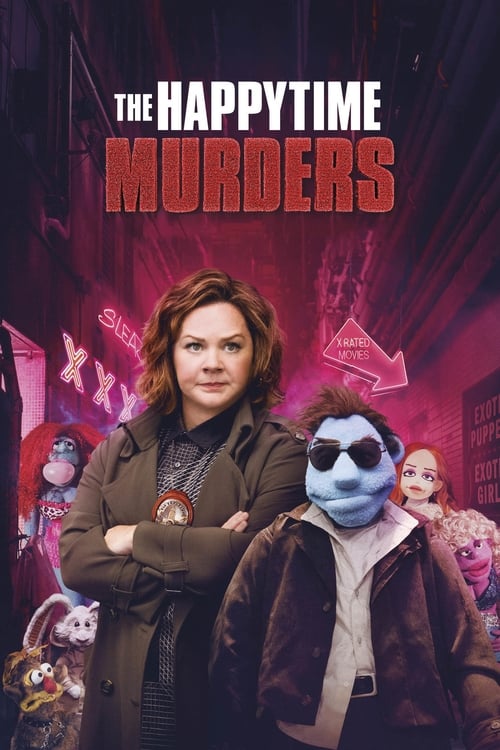
In a world where humans coexist with puppets—who are seen as lesser citizens—cast members of a beloved 1990s children's television series begin getting murdered one by one. Puppet Phil Philips, an ex-LAPD detective-turned-private eye, takes on the case at the request of his old boss in order to assist his former partner, Detective Connie Edwards.
2002

2020

2000

1987

2016

2009

2020

1990
No reviews yet. Be the first to share your thoughts on this movie!
Use the rating form above to leave a star rating and optional review.