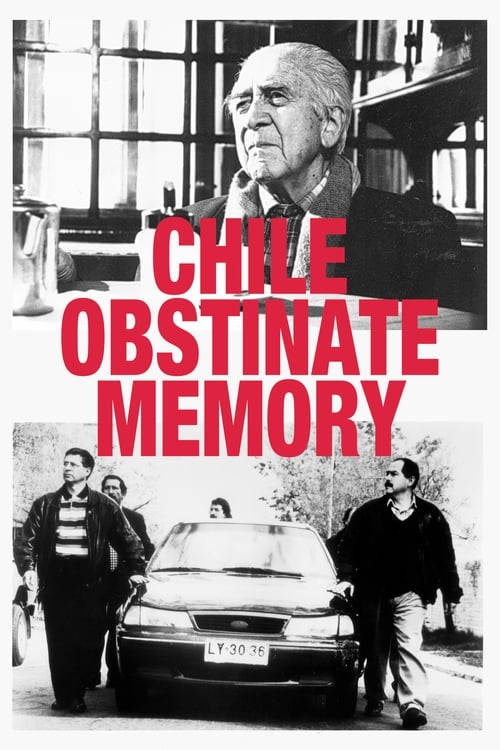
Chile: Obstinate Memory
1997
No user ratings available yet
Diversity score: 6.5 out of 10
1986
Director
Miguel Littín
Runtime
120 minutes
Average Rating
No ratings yetSynopsis
In 1985, exiled director Miguel Littín secretly reentered Chile to film this sweeping documentary portrait of the country under the dictatorship of Augusto Pinochet. Shot clandestinely and later released as a four-part television series, the film combines interviews, historical reflection, and on-the-ground footage to examine Chile’s political climate more than a decade after the 1973 coup.
Overall Score
Good
Category Breakdown
LGBTQ+ Representation
The documentary focuses on macro-level political struggles under the Pinochet regime. Consequently, specific LGBTQ+ identities are not a primary narrative driver, reflecting the era's constraints and the film's concentrated focus on political resistance.
Gender Representation
The film disrupts male-centric political histories by centering women's experiences. It documents how women navigate resistance and domestic life, highlighting their agency amidst systemic crisis and authoritarian rule.
Racial & Ethnic Diversity
A bottom-up approach captures a broad spectrum of the working class and indigenous realities. This moves the narrative beyond elite-centric perspectives to prioritize the lived experiences of the collective citizenry.
Religious & Cultural Diversity
The film critiques traditional Western institutional power and state corruption. It prioritizes collective struggle over nationalist fervor, documenting the human cost of neoliberal shifts and systemic oppression.
Disability Representation
Specific depictions of neurodivergence or physical disability are not explicitly documented. However, the film captures the broader social disability imposed on a population by state violence and economic deprivation.
Strengths
Areas for Improvement
AI Analysis
Miguel Littín’s documentary serves as a powerful tool for social critique, intentionally subverting the official history provided by the Pinochet dictatorship. By centering the voices of the marginalized, the film successfully deconstructs traditional power structures and state-controlled narratives. The work excels in its cultural and racial breadth, offering a profound look at the working class and indigenous populations. It moves away from homogeneous, elite-focused depictions to provide a more authentic portrait of the Chilean people. While the film lacks specific visibility for LGBTQ+ and disability identities, its overarching commitment to highlighting systemic inequality provides a robust framework for progressive historical inquiry. It remains a vital piece of political resistance.
1997

1976

2004

2015
2004
1963

2018
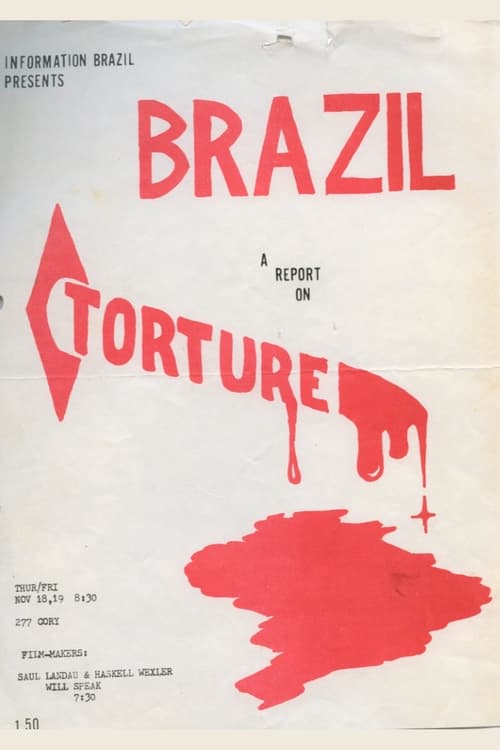
1971

2017
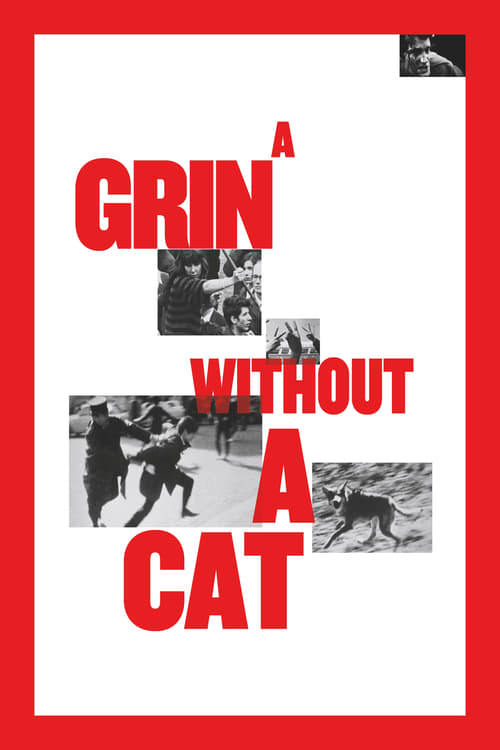
1977
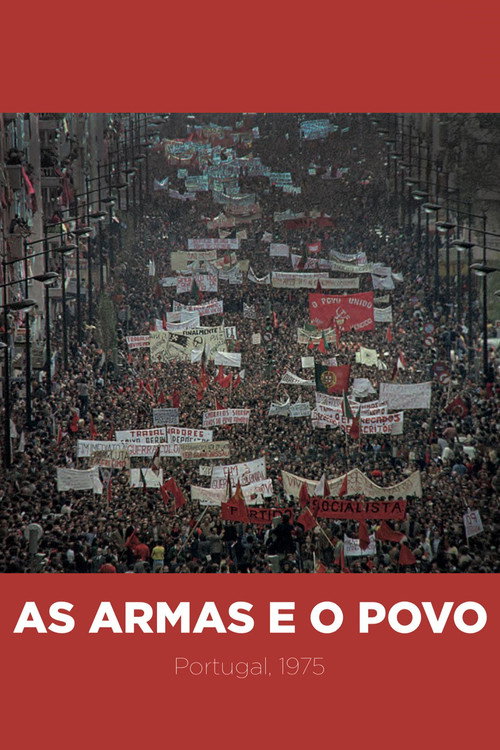
1977
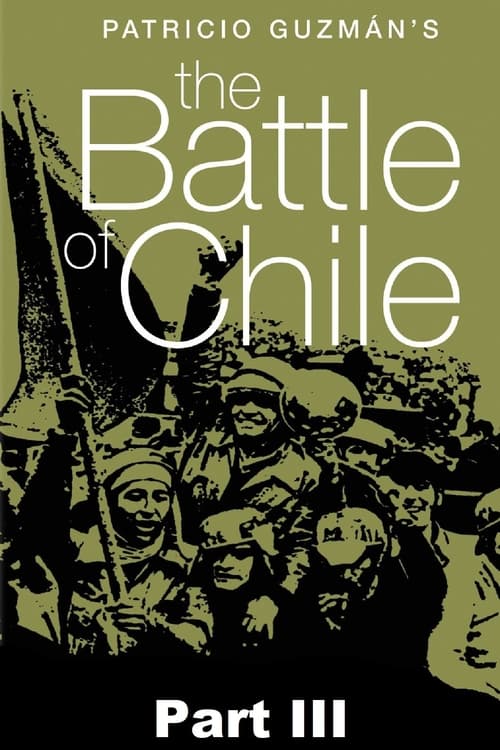
1979
No reviews yet. Be the first to share your thoughts on this movie!
Use the rating form above to leave a star rating and optional review.