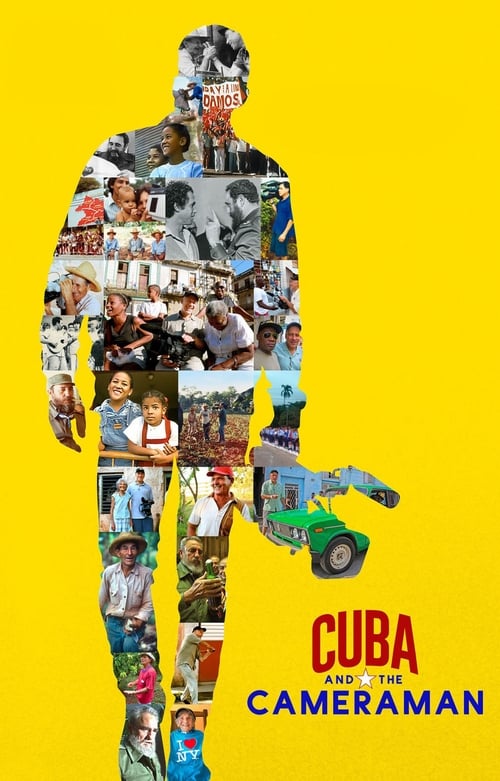
Cuba and the Cameraman
2017
No user ratings available yet
Diversity score: 6.5 out of 10
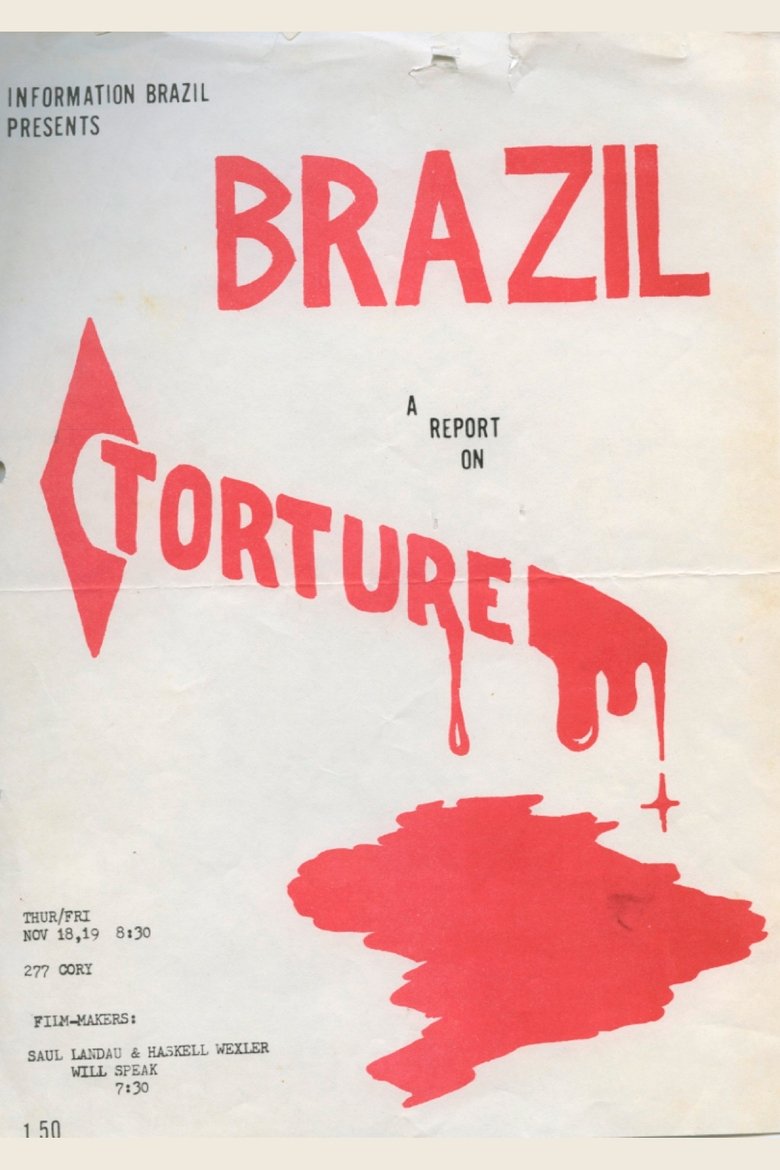
1971
Director
Saul Landau, Haskell Wexler
Runtime
60 minutes
Average Rating
No ratings yetSynopsis
The filmmakers spoke to ex-political prisoners who had been tortured by the military government who were at that point supported by the US government.
Overall Score
Good
Category Breakdown
LGBTQ+ Representation
The documentary focuses on political dissidents and state repression. It does not explicitly center LGBTQ+ identities or non-cisnormative narratives within its investigative lens.
Gender Representation
The film prioritizes political status over gendered dynamics. It disrupts conventional depictions of state order but does not actively subvert or reinforce specific gender roles.
Racial & Ethnic Diversity
The film documents the agency of Brazilian citizens resisting an oppressive regime. It challenges the Western-centric gaze by focusing on the systemic victimization of local populations.
Religious & Cultural Diversity
The narrative functions as a critique of Western geopolitical influence and capitalist-backed authoritarianism. It portrays state institutions as engines of oppression rather than protectors of order.
Disability Representation
The film provides visceral documentation of physical and psychological trauma inflicted by torture. Subjects maintain high agency while recounting how state violence impacts the human body.
Strengths
Areas for Improvement
AI Analysis
Saul Landau and Haskell Wexler deliver a powerful investigative documentary that centers the voices of political prisoners. The film succeeds by framing the struggle of the individual against the systemic machinery of a military dictatorship. Its primary strength lies in its anti-imperialist perspective, critiquing the US government's support of the Brazilian regime. By focusing on the lived experiences of those resisting oppression, it challenges traditional Western-centric cinematic frameworks. While the film lacks specific focus on LGBTQ+ or gendered identities, it provides a profound look at the agency of the oppressed. It moves beyond simple documentation to offer a systemic analysis of state-sanctioned violence.
2017
2009
2008
2000
1979
1986
2018

1995
2012
2004
1994
2007
No reviews yet. Be the first to share your thoughts on this movie!
Use the rating form above to leave a star rating and optional review.