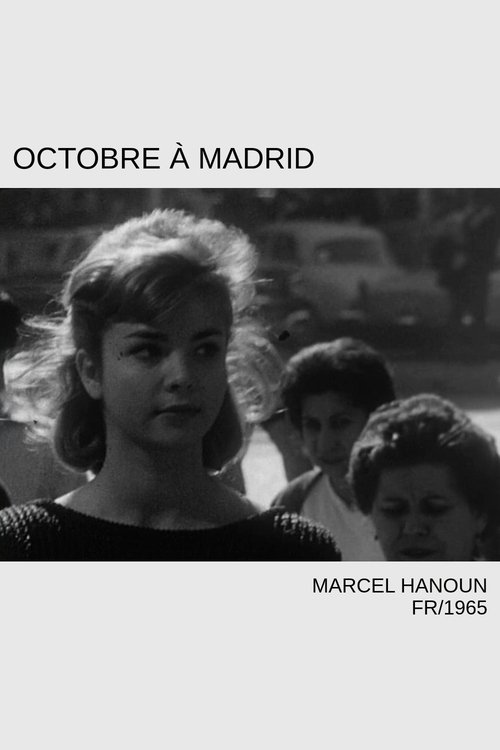
October in Madrid
1965
No user ratings available yet
Diversity score: 5.8 out of 10

1963
Director
Frédéric Rossif
Runtime
85 minutes
Average Rating
No ratings yetSynopsis
Morir en Madrid brings together several papers on the Spanish Civil War and integrates capturing different points of view, intended to represent the continuity of the suffering of the Spanish during the Franco regime. The death of Federico Garcia Lorca, Guernica, the defense of Madrid, the International Brigades, are some of the items comprised in this document.
Overall Score
Fair
Category Breakdown
LGBTQ+ Representation
The film centers on the macro-scale political movements of the Spanish Civil War. While Federico García Lorca is a central figure, the narrative focuses on collective Republican struggle rather than specific queer identities.
Gender Representation
The documentary disrupts traditional hierarchies by highlighting the roles of nurses and female civilians. These portrayals grant women agency as essential pillars of the social and medical infrastructure during the conflict.
Racial & Ethnic Diversity
The inclusion of the International Brigades provides a multi-ethnic perspective. By documenting non-Spanish volunteers, the film presents the defense of Madrid as a globalized resistance rather than a localized struggle.
Religious & Cultural Diversity
The narrative critiques traditional power structures by framing nationalist and religious institutions as sources of oppression. It emphasizes the ideological struggle of Republican movements against fascism.
Disability Representation
Depictions of the wounded serve as historical evidence of war's brutality. However, these portrayals lack specific agency for neurodivergent or chronically ill characters, functioning more as semiotic tools.
Strengths
Areas for Improvement
AI Analysis
To Die in Madrid succeeds as a historical reconstruction that challenges nationalist narratives. It effectively prioritizes the lived experiences of the oppressed over the stability of the state, offering a sophisticated view of systemic suffering. The film's strength lies in its deconstruction of institutional authority and its inclusion of international, multi-ethnic perspectives. By showcasing the International Brigades, it avoids a purely homogeneous view of the conflict. However, the documentary lacks modern identity-based character arcs. It struggles to provide specific representation for LGBTQ+ identities and disability, treating these elements as historical symptoms rather than nuanced character studies.
1965
2022
1986
1979
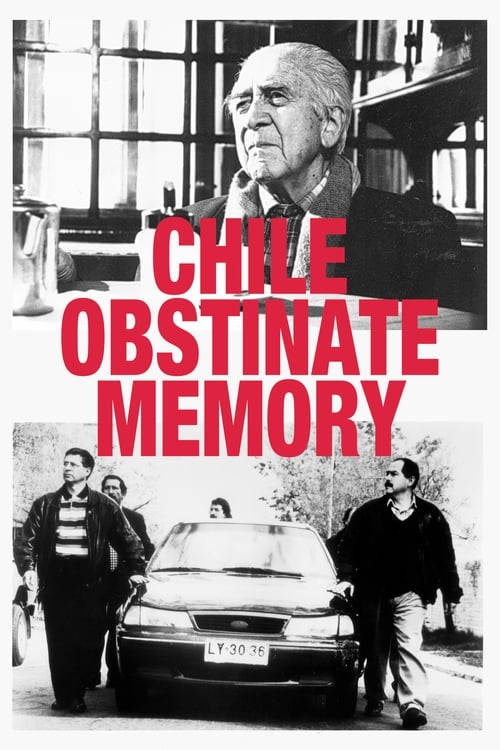
1997
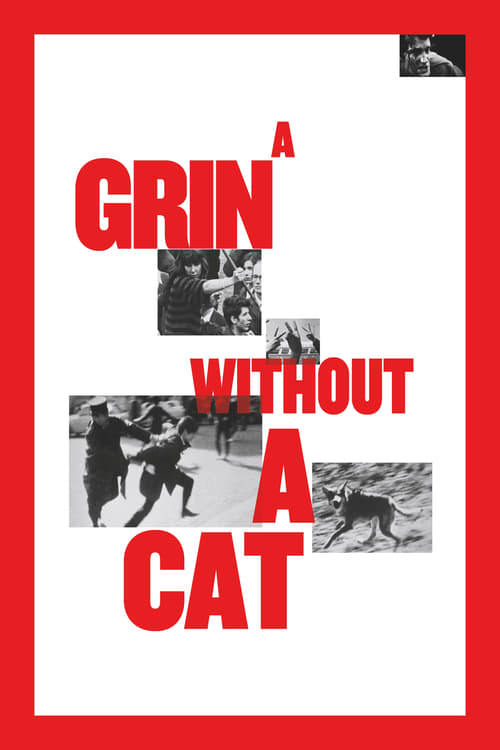
1977
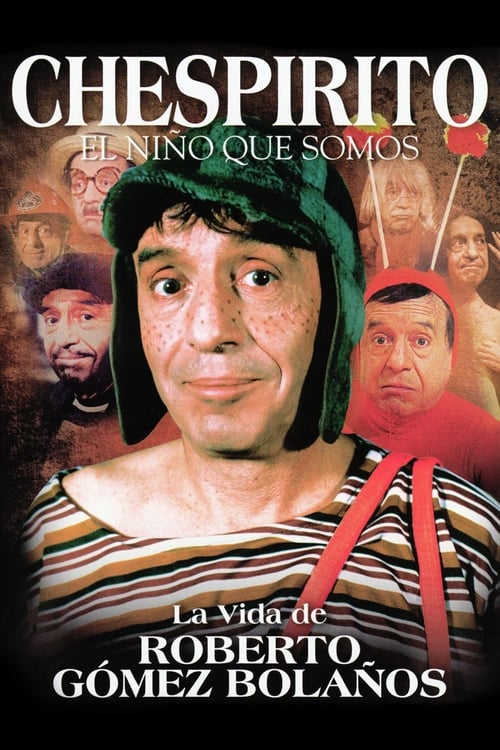
2001
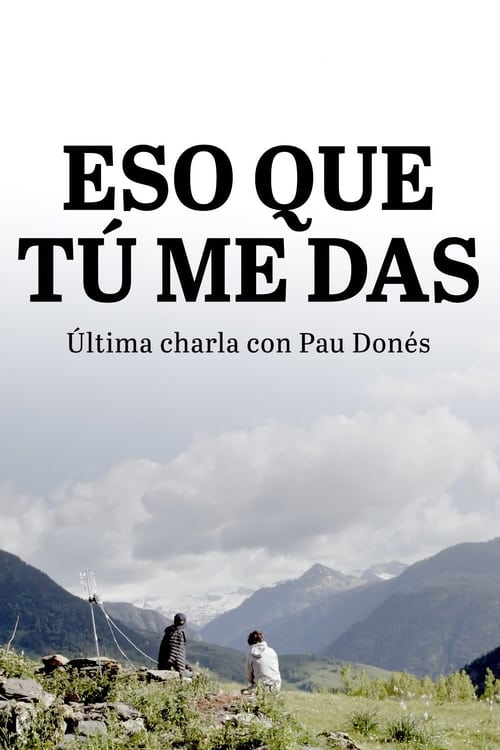
2020
2012
2017
1939
1922
No reviews yet. Be the first to share your thoughts on this movie!
Use the rating form above to leave a star rating and optional review.