Los niños de Rusia
2001
No user ratings available yet
Representation score: 8.4 out of 10
Representation Score
Excellent
2015
ApprovedDirector
Pablo Martínez Pessi
Runtime
81 minutes
Average Rating
No ratings yetNew Showbiz Analysis
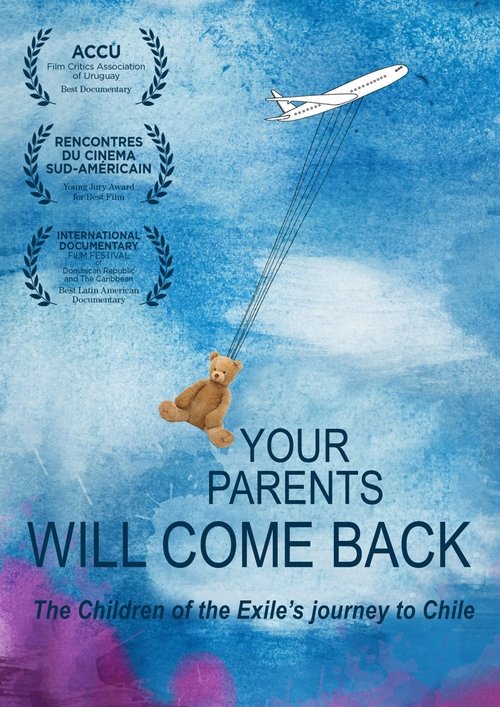
Pablo Martínez Pessi’s documentary shifts the historical lens away from institutional power and toward the lived experiences of displaced individuals. By focusing on the 1983 migration of children from Europe to Uruguay, the film prioritizes personal identity development over state-centric histories. The work succeeds in framing political struggle through the intimate lens of childhood. It effectively challenges Western-centric narratives by highlighting the human cost of systemic oppression and the resilience of those caught in geopolitical upheaval. While the film excels in cultural and ethnic exploration, it remains neutral regarding specific LGBTQ+ and gender-based subversions. Its primary strength lies in its testimonial power and its examination of the psychological scars left by political exile.
Category Breakdown
The film does not explicitly depict LGBTQ+ identities or non-cisgender expressions. Instead, it focuses on the collective political experience of the exiled group.
The documentary centers the emotional and developmental growth of children. This approach allows for a departure from traditional patriarchal historical narratives by prioritizing individual identity formation.
The story highlights the complexities of the Uruguayan diaspora and cultural blending. It explores the combination of European upbringing and Uruguayan heritage during political instability.
The film offers a progressive cultural perspective by centering the subjective truths of survivors. It critiques the political structures that necessitated displacement and challenges traditional notions of national stability.
There is no explicit portrayal of physical or neurodivergent disabilities. However, the film engages deeply with the invisible psychological trauma and long-term mental health impacts of exile.
Present on Screen
Limited or Absent
Official Synopsis
In 1983 a group of 154 children aged 3 and 17 years old traveled alone from Europe to Montevideo. They were children of political exiles from Uruguay, who were unable to come back to their own country; they sent their kids to know their relatives and home country. That human sign, charged with a political message, took part in children’s identity development. Nowadays, six of them still remember that day, when a crowd received them singing all together “your parents will come back”.
2001

2010

2003

2021

2002
2009
2016
2013
No reviews yet. Be the first to share your thoughts on this movie!
Use the rating form above to leave a star rating and optional review.