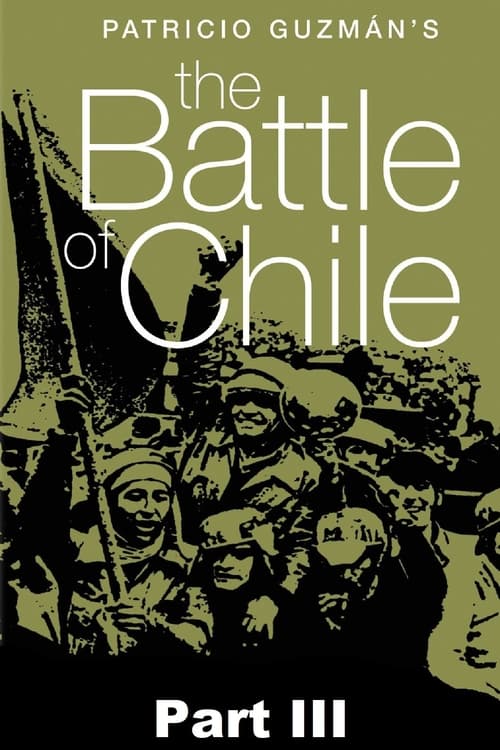
The Battle of Chile: Part III
1979
No user ratings available yet
Representation score: 7.2 out of 10

Representation Score
Excellent
1976
Not RatedDirector
Patricio Guzmán
Runtime
88 minutes
Average Rating
No ratings yetNew Showbiz Analysis
Patricio Guzmán’s documentary emphasizes the political liberation of the working class by highlighting their active roles in social change. It disrupts traditional power hierarchies by focusing on the struggles of the underrepresented. However, the film’s focus on macro-political movements means there is little room for individual identity politics, such as LGBTQ+ narratives or disability issues. The film’s strength lies in its anti-capitalist stance and its documentation of the fight against systemic oppression.
Category Breakdown
The film focuses on political movements and class struggle, so there is no depiction of non-straight gender identities or queer stories.
Women are shown taking active roles in street protests, political mobilization, and grassroots activism, rather than in submissive roles.
The documentary highlights the struggles of the Chilean working class and urban poor, challenging the dominance of the elite.
This work critiques Western institutional power and capitalist interests, emphasizing the perspective of the oppressed.
Physical impairments are shown as a result of political violence and street clashes, but the film does not center disability or neurodivergence as themes.
Present on Screen
Limited or Absent
Official Synopsis
Chronicles the events immediately surrounding the CIA- supported coup itself.
1979
2010

1975
2017
2004
2012
2001
2015
No reviews yet. Be the first to share your thoughts on this movie!
Use the rating form above to leave a star rating and optional review.