
Waiting for Fidel
1975
No user ratings available yet
Representation score: 3.0 out of 10
Representation Score
Excellent
2017
Director
Jon Alpert
Runtime
113 minutes
Average Rating
No ratings yetNew Showbiz Analysis
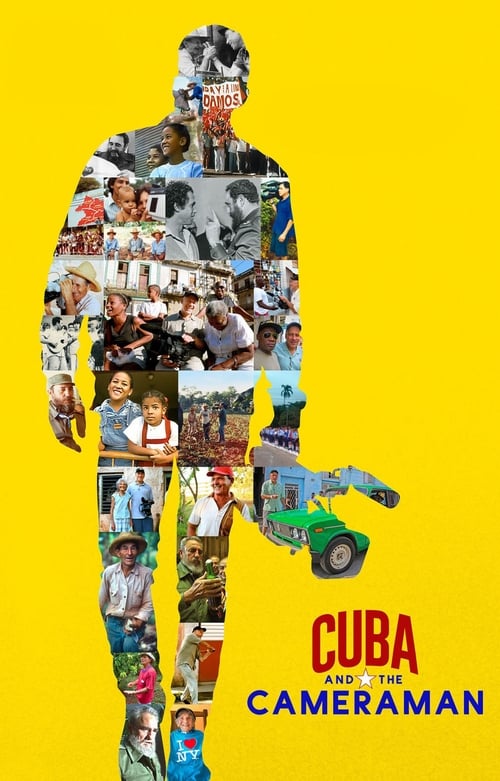
Cuba and the Cameraman succeeds as a long-term study that breaks down monolithic Western narratives. By using decades of archival footage, the film prioritizes the subjective realities of Cuban citizens over traditional journalistic formulas. The documentary excels in its cultural and racial depth, offering a localized perspective that challenges the homogeneity of international news media. It avoids a Western-centric viewpoint by centering the lived experiences of those navigating a centralized state. While the film is rich in socio-political complexity, it lacks specific focus on LGBTQ+ identities and disability. These elements remain secondary to the broader themes of economic survival and state authority.
Category Breakdown
The film focuses on the relationship between political policies and everyday life but does not specifically address non-straight or non-cisgender identities or provide dedicated stories about queer theory.
The documentary shows how gender roles play out within Cuba's unique socio-economic conditions. It highlights the strength and influence of women as they navigate limited resources and state-imposed structures.
The film provides a deep look at the ethnic and racial complexities of the Caribbean. It allows characters of color to take a leading role in driving the narrative with their personal histories.
The narrative offers a nuanced critique of Western-centric capitalism and traditional institutional power. It presents the reality of the citizenry through their specific socio-political circumstances rather than a Western lens.
The film captures the general struggles, including the physical toll of economic scarcity. However, it does not focus on neurodivergence or visible disabilities as central narrative drivers.
Present on Screen
Limited or Absent
Official Synopsis
This revealing portrait of Cuba follows the lives of Fidel Castro and three Cuban families affected by his policies over the last four decades.
1975
2015
2014
2020
1977
2019
2006

2015
No reviews yet. Be the first to share your thoughts on this movie!
Use the rating form above to leave a star rating and optional review.