
I Love Pinochet
2001
No user ratings available yet
Representation score: 8.7 out of 10
Representation Score
Excellent
2018
Director
Felipe Bustos Sierra
Runtime
94 minutes
Average Rating
No ratings yetNew Showbiz Analysis
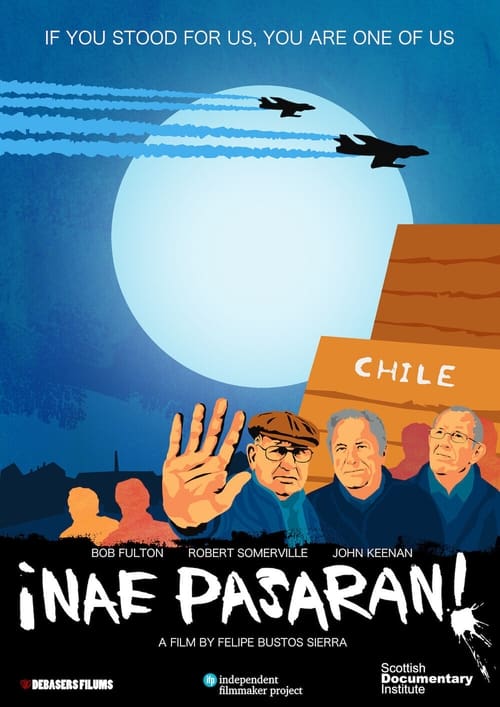
Nae Pasaran is a sophisticated study of systemic interconnectedness that challenges isolationist historical accounts. By linking a 1974 Scottish industrial strike to the Chilean military coup, the film demonstrates how local labor decisions impact global human rights. The narrative architecture prioritizes internationalist solidarity over nationalist storytelling. It successfully bridges disparate geographic and ethnic identities by focusing on the shared struggle against oppression. While the film is strong in its geopolitical and cultural critique, it remains centered on traditional industrial labor contexts. This focus results in a narrative that emphasizes class struggle rather than addressing gender or identity-based issues.
Category Breakdown
The documentary focuses on historical labor movements and political solidarity. There is no explicit mention of LGBTQ+ identities or character arcs within this specific historical context.
The narrative centers on industrial labor and factory work, which are traditionally male-dominated spaces. The film prioritizes class struggle over addressing gender hierarchies.
The film excels by connecting the Scottish working class with the Chilean population. It elevates the ability to act of those impacted by military interventions and neo-colonialism.
The film engages deeply with anti-authoritarian themes and global citizenship. It portrays resistance against state institutions as a sophisticated act of international solidarity.
There is no evidence to suggest that disability or neurodivergence serves as a central theme or featured element in this documentary.
Present on Screen
Limited or Absent
Official Synopsis
In a small Scottish town in 1974, factory workers refuse to carry out repairs on warplane engines in an act of solidarity against the violent military coup in Chile. 40 years after their defiant stand in protest against Pinochet's Air Force, Scottish pensioners discover the dramatic consequences of their solidarity.
2001

1977
2007

2011
2006

2010
2018
2020
No reviews yet. Be the first to share your thoughts on this movie!
Use the rating form above to leave a star rating and optional review.