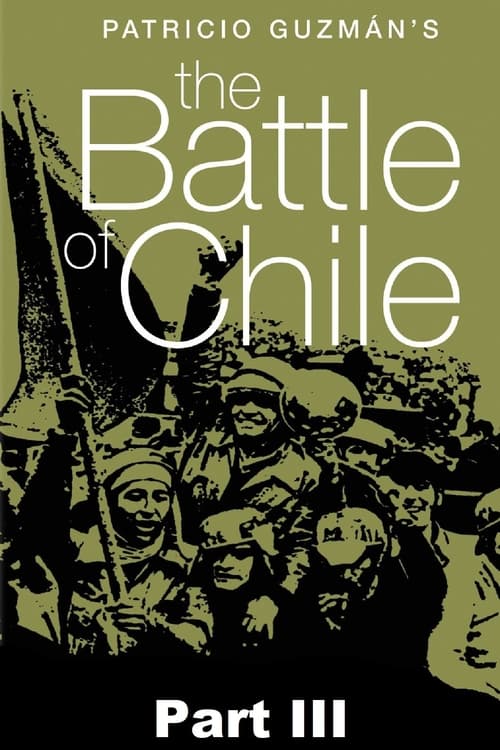
The Battle of Chile: Part III
1979
No user ratings available yet
Representation score: 7.2 out of 10
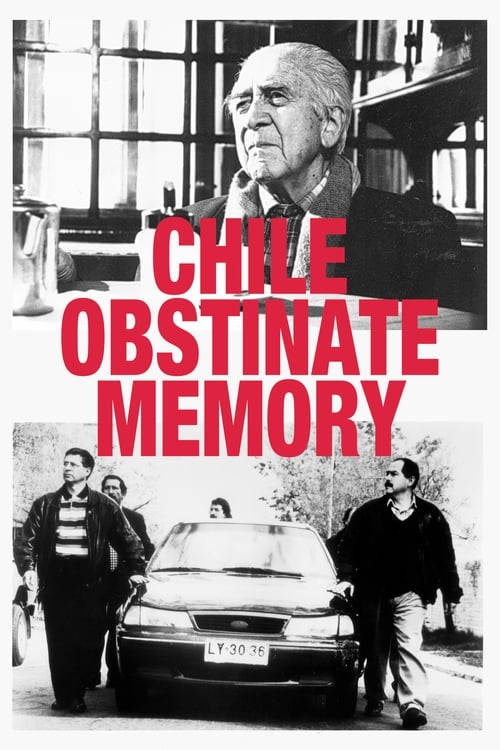
Representation Score
Excellent
1997
Director
Patricio Guzmán
Runtime
59 minutes
Average Rating
No ratings yetNew Showbiz Analysis
Patricio Guzmán’s documentary is a nuanced examination of national trauma that prioritizes the voices of those affected by oppression. It effectively dismantles the legitimacy of state institutions by highlighting the struggle for memory as an act of resistance. By using archival fragments, the film challenges the official historical record of the military junta and replaces it with the lived experiences of underrepresented individuals. This approach provides a rich tapestry of class and gendered resistance. However, the film lacks specific visibility for LGBTQ+ and non-binary identities, as well as individual narratives around physical or neurodivergent disabilities.
Category Breakdown
The documentary examines the broader socio-political impact of the 1973 coup but does not focus specifically on LGBTQ+ or non-binary identities.
The film highlights women as key figures in activism and memory-keeping, shifting the focus away from traditional masculine leadership.
The work showcases a range of class and ethnic backgrounds within Chile, illustrating how systemic violence impacts different societal layers.
The film critiques Western hegemony and neoliberal capitalism, presenting the coup as a result of imperialist intervention and challenging established power structures.
The film does not specifically address neurodivergence or physical impairments but highlights the psychological trauma and physical scars of political violence.
Present on Screen
Limited or Absent
Official Synopsis
After decades of fascist rule in Chile, Patricio Guzmán returns to his country to screen his documentary The Battle of Chile.
1979
2010

2001
2017

1976
1985
2004
1986
No reviews yet. Be the first to share your thoughts on this movie!
Use the rating form above to leave a star rating and optional review.