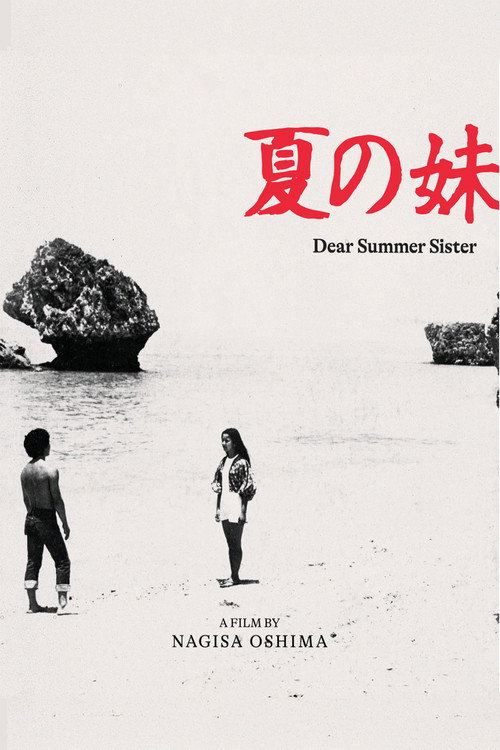
Dear Summer Sister
1972
No user ratings available yet
Representation score: 7.0 out of 10

Representation Score
Good
1971
Director
Nagisa Ōshima
Runtime
123 minutes
Average Rating
No ratings yetNew Showbiz Analysis
Nagisa Ōshima’s film uses a family history to explore the psychological pressures faced by post-war Japanese society. It challenges traditional power structures and patriarchal authority rather than just offering surface-level inclusion. Though the film doesn’t have explicit LGBTQ+ representation, it delves into themes of sexual repression and the subversion of social norms. Its strength lies in its sophisticated critique of how state militarism and familial duty intersect to limit personal freedom. Ultimately, the film serves as a post-colonial and feminist examination of tradition, looking at how broader societal structures shape identity and resistance.
Category Breakdown
The film doesn't show obvious LGBTQ+ characters but explores themes of sexual repression and the tension between personal desires and strict family expectations.
The story challenges traditional gender roles by highlighting women's struggles for independence and resistance against arranged marriages and domestic duties.
The film looks at how American occupation and post-war changes affected Japanese society and identity, without relying on Western perspectives.
It criticizes traditional religious and cultural practices as oppressive and highlights the need to deviate from these norms to resist a stagnant, corrupt system.
There is no significant evidence regarding the portrayal of visible or invisible disabilities within the narrative.
Present on Screen
Limited or Absent
Official Synopsis
Oshima’s magisterial epic, centering on the ambivalent surviving heir of the Sakurada clan, uses ritual and the microcosm of the traditional family to trace the rise and fall of militaristic Japan across several decades.
1972

1952
1946
1961

2012

1957

1955

1981
No reviews yet. Be the first to share your thoughts on this movie!
Use the rating form above to leave a star rating and optional review.