The Ceremony
1971
No user ratings available yet
Representation score: 6.5 out of 10
Representation Score
Good
1972
Director
Nagisa Ōshima
Runtime
96 minutes
Average Rating
No ratings yetNew Showbiz Analysis
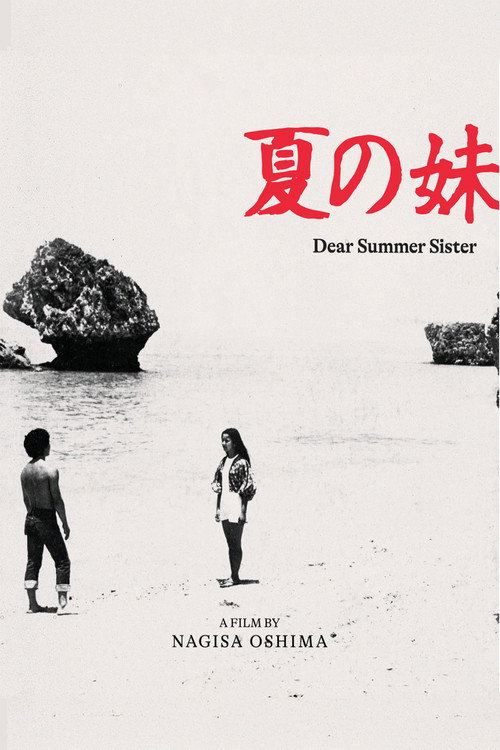
Nagisa Ōshima uses a journey through Okinawa to deconstruct monolithic national identities. The film elevates underrepresented regional voices and challenges the systemic trauma left by wartime history. The narrative structure places a young girl in the role of the primary observer, disrupting traditional patriarchal structures often found in period dramas. While the film lacks explicit queer representation, its focus on unconventional family dynamics and anti-establishment themes provides a sophisticated critique of social hierarchies.
Category Breakdown
The film touches on non-traditional family structures through the character of the father's fiancée, Momoko. Though there is no explicit queer romance, the film disrupts traditional family dynamics by showcasing unconventional interpersonal relationships.
The story centers around Sunaoko, a young female protagonist navigating an adult world. This focus shifts attention away from traditional masculine leadership and patriarchal hierarchies.
By setting the story in Okinawa, the film highlights the distinction between the mainland and Okinawan identity. It uses wartime scars to explore post-colonial tensions and underrepresented regional experiences.
The film critiques state-sanctioned histories and traditional patriotism. Through an ex-soldier guide, it prioritizes localized, subjective truths over official nationalistic narratives and military glory.
There is no discernible evidence regarding the portrayal of physical or neurodivergent disabilities in this work.
Present on Screen
Limited or Absent
Official Synopsis
14-year-old Sunaoko travels from Tokyo to Naha, Okinawa, with her father’s young fiancée Momoko in search of her half-brother whom she has never met. Their guide, a beer-guzzling ex-soldier, takes them to the locale’s tourist attractions, quickly delving into the underlying scars of the island’s wartime history.
1971
1957
1946
1954
1967
1968
1997
1973
No reviews yet. Be the first to share your thoughts on this movie!
Use the rating form above to leave a star rating and optional review.