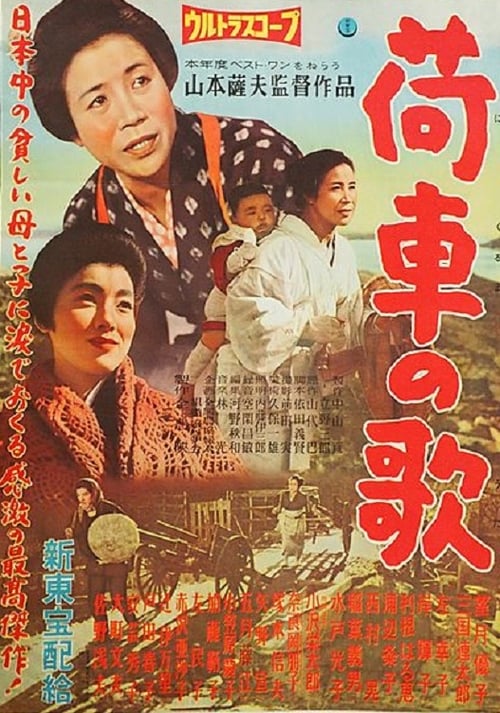
The Song of the Cart
1959
No user ratings available yet
Representation score: 4.0 out of 10
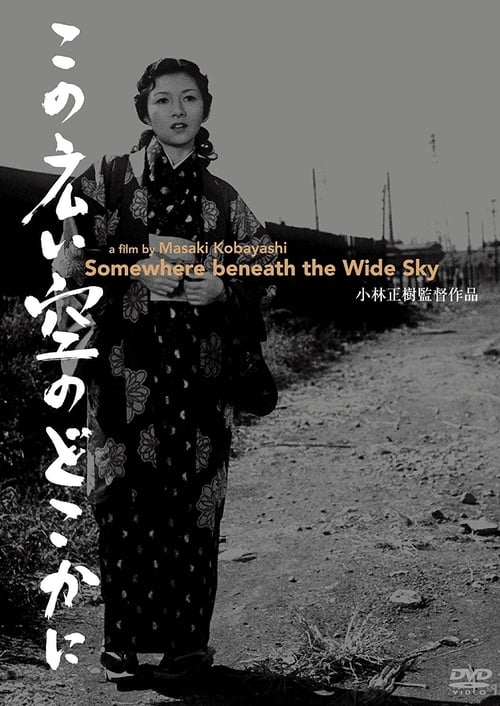
Representation Score
Fair
1954
Director
Masaki Kobayashi
Runtime
109 minutes
Average Rating
No ratings yetNew Showbiz Analysis
Masaki Kobayashi’s film serves as a significant social critique, moving away from the rigid structures of mid-century cinema. It deconstructs the traditional family unit and the liquor store as symbols of economic stability, focusing instead on individual psychological struggles. While the film lacks diverse racial or LGBTQ+ representation, it offers a progressive departure from the era's standard clichés. By emphasizing individual ability to act over collective social duties, it challenges the idealized domestic models common in 1950s drama. Ultimately, the film's strength lies in its exploration of the breakdown of traditional institutions and the complexities of the post-war Japanese experience.
Category Breakdown
The film does not provide specific information about LGBTQ+ characters. However, it adheres to the typical practices of the time, using subtle hints to suggest non-traditional relationships.
The film challenges the traditional male provider role by focusing on the dysfunction within the household. It portrays masculinity as fragmented rather than stable and competent.
The cast is predominantly Japanese, reflecting a homogeneous cultural background. The film focuses on post-war identity rather than showcasing diverse racial backgrounds.
The narrative highlights the dysfunction within the family unit, prioritizing individual struggles over traditional social cohesion and morality. This approach emphasizes psychological realism.
There is no information available regarding the portrayal of neurodivergence or physical disabilities in this film.
Present on Screen
Limited or Absent
Official Synopsis
A Tokyo family running a liquor store overcome impotence and dysfunction as they induce an understanding through each other of how to deal with their individual problems.
1959

1956
1946
1970

1954
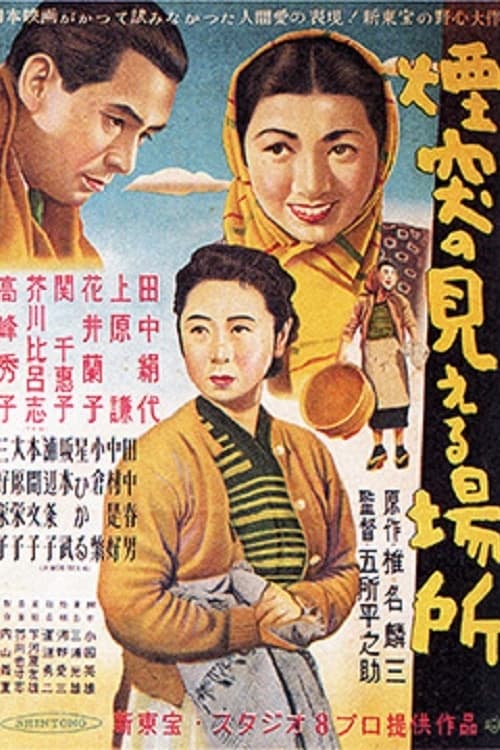
1953
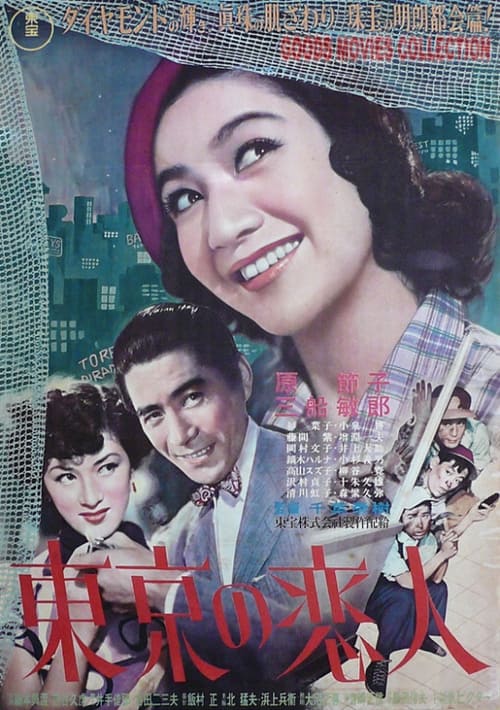
1952
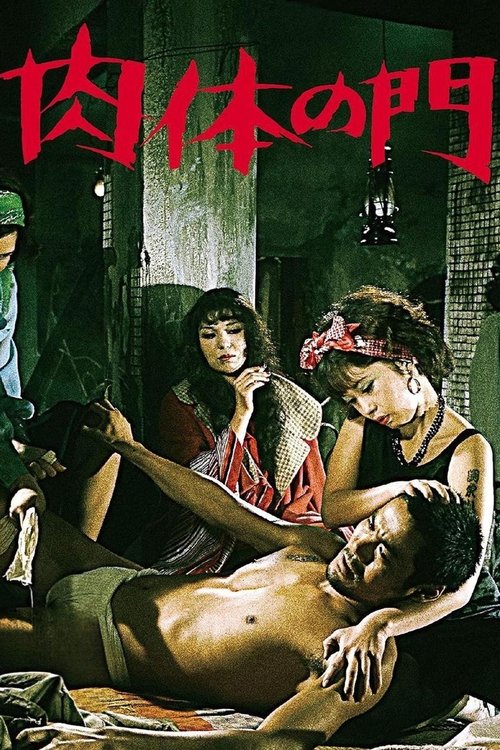
1977
No reviews yet. Be the first to share your thoughts on this movie!
Use the rating form above to leave a star rating and optional review.