
Yumeji
1991
No user ratings available yet
Representation score: 5.0 out of 10
Representation Score
Fair
1977
Director
Akio Jissoji
Runtime
140 minutes
Average Rating
No ratings yetNew Showbiz Analysis
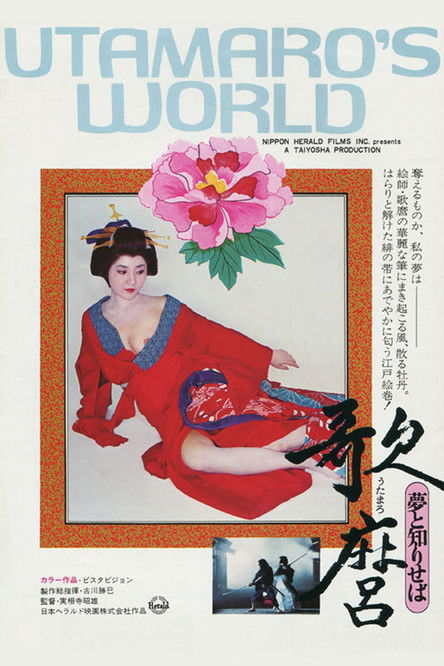
Utamaro's World is a sophisticated historical reconstruction that prioritizes aesthetic subjectivity over typical epic narratives. By focusing on the artist's perspective, the film delves into the nuances of human desire and social identity. The film disrupts traditional hierarchies, especially regarding gender, by emphasizing the ephemeral and fluid nature of the Edo period. It centers on the complex lives of women within the pleasure districts. While the historical setting limits ethnic diversity, the film remains true to its cultural roots. It avoids an external perspective, instead offering a deep, localized immersion into 18th-century Japanese life.
Category Breakdown
The film explores the fluid social dynamics of the Edo period's 'floating world,' suggesting a narrative that moves beyond rigid assumptions about relationships.
Women play significant roles in the film, both visually and narratively, as the main subjects of the artist's gaze. Their complex, independent lives within the pleasure districts are highlighted over traditional patriarchal roles.
Given its 18th-century Japanese setting, the film focuses on a culturally homogeneous society. However, it avoids a Western-centric perspective, providing an authentic and localized exploration of Japanese cultural identity.
The film highlights the philosophical and aesthetic aspects of morality during the Edo period. It contrasts the rigid authority of the Shogunate with the vibrant, subversive lifestyles of the urban classes.
There is no significant evidence regarding the portrayal of physical or neurodivergent disabilities within the film's narrative.
Present on Screen
Limited or Absent
Official Synopsis
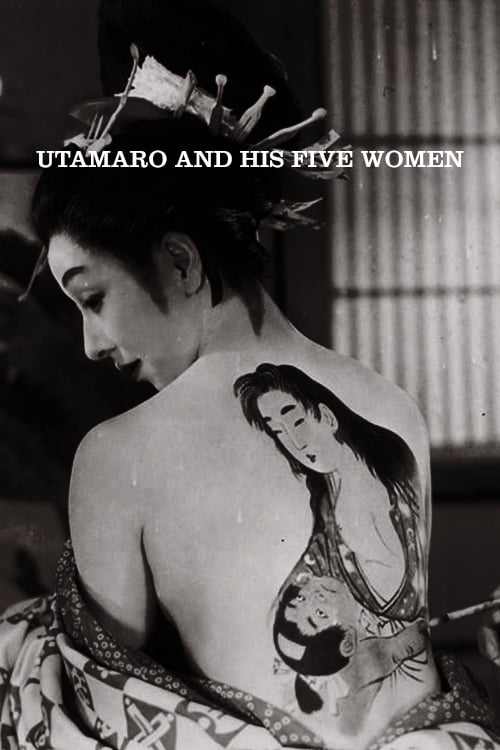
Utamaro was an artist who lived in Edo (which was later to become modern-day Tokyo) in the late 18th century. This film, which has a complex and wide-ranging storyline, recreates the world of that time, as it appeared in Utamaro's paintings.
1991

1952
2021

1985

1981
1974
1968
1946
No reviews yet. Be the first to share your thoughts on this movie!
Use the rating form above to leave a star rating and optional review.