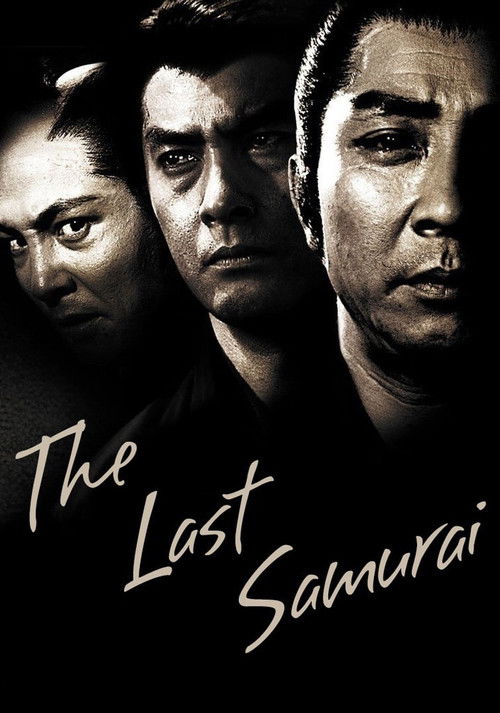
The Last Samurai
1974
No user ratings available yet
Representation score: 4.6 out of 10

Representation Score
Good
1999
UnratedDirector
Nagisa Ōshima
Runtime
100 minutes
Average Rating
No ratings yetNew Showbiz Analysis
Nagisa Ōshima’s film is a sophisticated exploration of the tension between individual identity and state-imposed social structures. Using a non-linear narrative structure, it dismantles the rigid hierarchies of historical Japan and examines how institutional power controls personal intimacy. The film stands out by making same-sex desire a central driver of the plot, allowing for a profound critique of how the state regulates personal freedom. While set in a specific historical context, it addresses universal themes of systemic oppression. It effectively challenges traditional gender roles and highlights emotional vulnerability as a counterpoint to militaristic ideals.
Category Breakdown
The film focuses on the intimate relationships between male characters, using same-sex desire as a key factor in both social and psychological conflicts. This portrayal offers a critical look at restrictive societal expectations.
The story challenges traditional masculinity by showing emotional vulnerability alongside military ideals. It presents the soldier archetype as a tool used by the state to suppress individuals rather than as an inherent virtue.
The film casts actors reflecting the demographics of historical Japan, exploring how ethnic and national identity can be manipulated by the state to enforce strict social conformity.
The narrative critiques state-imposed morality and nationalism. It portrays the protagonists' actions as genuine human responses to oppressive social conditions rather than moral failings.
The film examines the mental impact of systemic repression but does not feature characters whose primary stories revolve around visible or invisible physical or neurodivergent disabilities.
Present on Screen
Limited or Absent
Official Synopsis
Set during Japan's Shogun era, this film looks at life in a samurai compound where young warriors are trained in swordfighting. A number of interpersonal conflicts are brewing in the training room, all centering on a handsome young samurai named Sozaburo Kano. The school's stern master can choose to intervene, or to let Kano decide his own path.
1974
1954
1990
2004
2018
2014

2006
1969
No reviews yet. Be the first to share your thoughts on this movie!
Use the rating form above to leave a star rating and optional review.