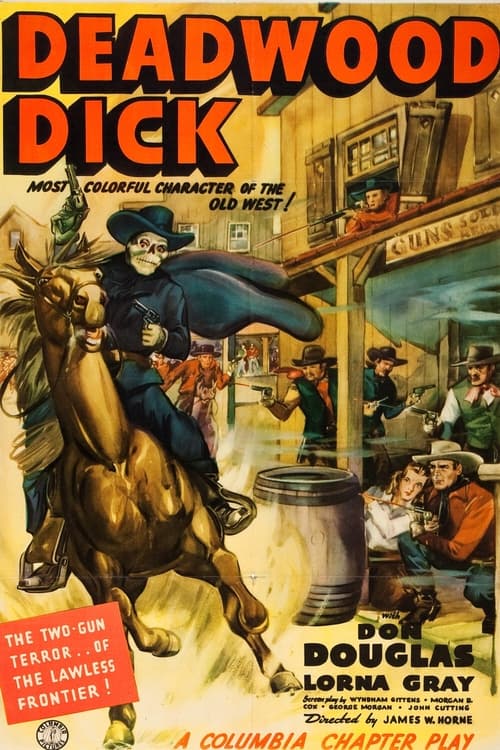
Deadwood Dick
1940
No user ratings available yet
Representation score: 2.0 out of 10

Representation Score
Limited
1941
ApprovedDirector
James W. Horne
Runtime
290 minutes
Average Rating
No ratings yetNew Showbiz Analysis
White Eagle stands out in the Western genre for its inversion of typical power dynamics. By centering a Native American protagonist as a defender of his community against a gang of evil white settlers, the film grants Indigenous characters a level of ability to act rarely seen in 1941. Despite this progressive racial framing, the film remains a product of its time. It adheres to rigid masculine archetypes and lacks any meaningful representation of LGBTQ+ identities or gender diversity beyond traditional hierarchies. Ultimately, the film is a period-specific anomaly. It provides a rare moment of racial ability to act while remaining constrained by the structural and thematic limitations of early 1940s serial filmmaking.
Category Breakdown
The film does not depict any non-straight or non-cisgender identities or same-sex relationships. It follows the traditional romantic and social structures typical of 1940s serials.
The narrative focuses heavily on masculine archetypes of heroism and physical strength. Female roles appear relegated to secondary or supportive roles common to the era.
The film centers a Native American lead who plays a significant role in driving the story. It disrupts standard clichés by framing the conflict as a defense of Indigenous people against white aggressors.
The story offers a non-standard perspective on the impact of white settlers on Indigenous communities. However, it lacks modern complexity or a deep systemic critique of Western institutions.
There is no evidence regarding the portrayal of physical or neurodivergent disabilities in this work.
Present on Screen
Limited or Absent
Official Synopsis
Serials usually spawned feature film versions, but with this film, it was the other way around. A 1932 Buck Jones Western, White Eagle was made into a serial nine years later, again starring Jones in the title role, a (supposedly) Native American Pony Express Rider defending his people against a gang of evil Whites.
1940
1964
1928
1942
1944
1954
1957
1927
No reviews yet. Be the first to share your thoughts on this movie!
Use the rating form above to leave a star rating and optional review.