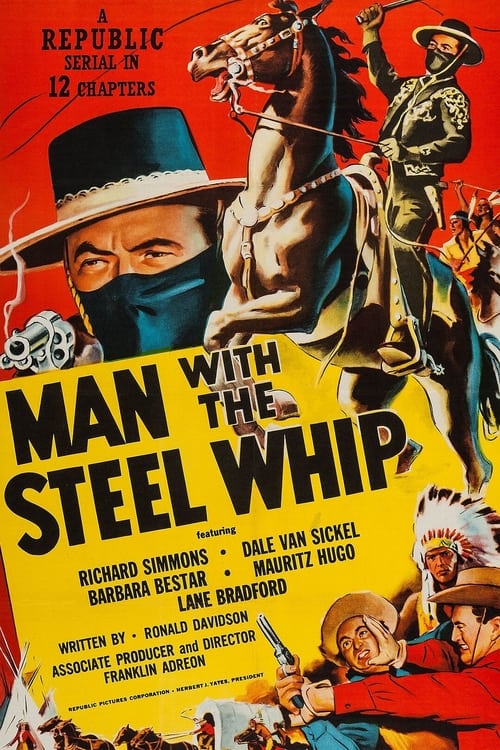
Man with the Steel Whip
1954
No user ratings available yet
Diversity score: 2.7 out of 10
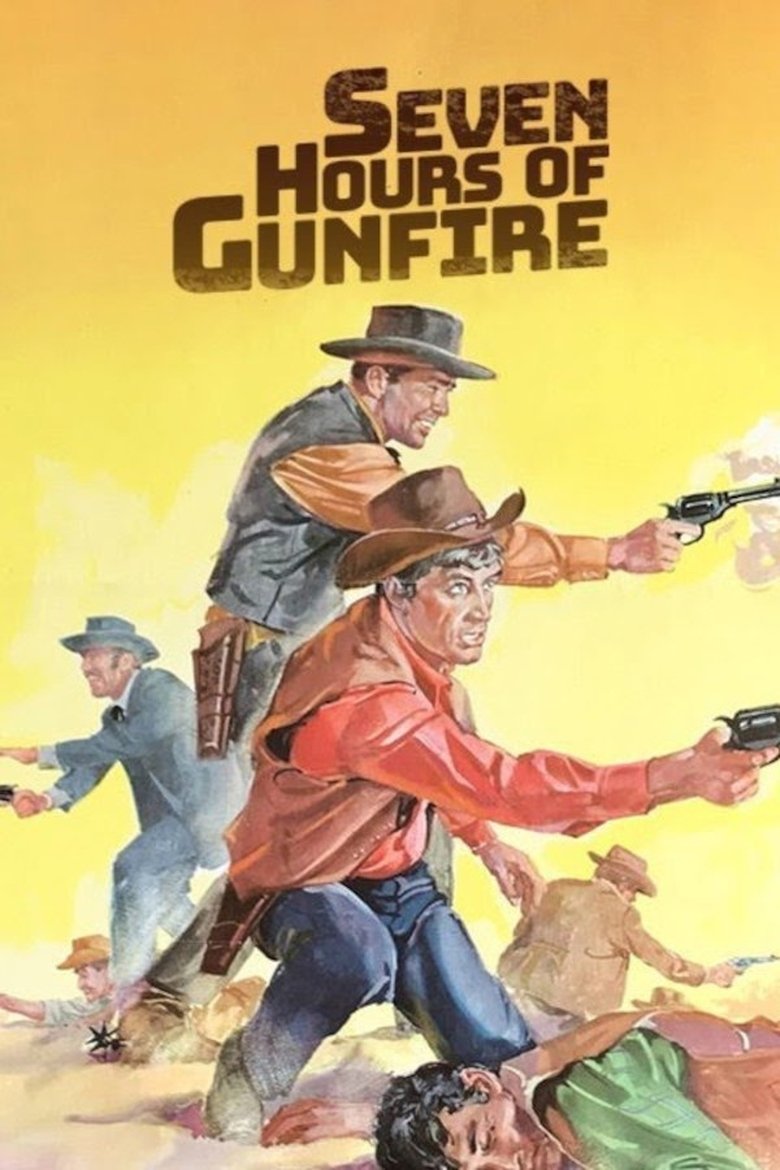
1965
Director
Joaquín Romero Marchent
Runtime
76 minutes
Average Rating
No ratings yetSynopsis
When he was 12 years old, Bill Cody, later knew as Buffalo Bill, is rider for "pony express" carrying the mail through the wilds of America. It becomes later caravans guide. When driving one of them meets Luisa, the niece of a priest who tried to evangelize the savage tribes accompanied by a converted Indian. It is a dangerous time because, before the advancing white man, the Sioux tribes are buying weapons from unscrupulous dealers...
Overall Score
Limited
Category Breakdown
LGBTQ+ Representation
The film lacks LGBTQ+ characters or narratives. It adheres to the standard romantic and social archetypes of the 1960s Western genre.
Gender Representation
Luisa serves as a traditional feminine archetype, acting as a moral compass or catalyst for the male lead. The narrative architecture remains centered on male-driven frontier conflicts.
Racial & Ethnic Diversity
The story features Sioux tribes and a converted Indian, though these roles risk falling into mid-century tropes. Indigenous agency is framed through the lens of acquiring weaponry.
Religious & Cultural Diversity
The plot emphasizes Western expansion and evangelization through the presence of a priest. It aligns with conventional depictions of progress and civilization during the era.
Disability Representation
There is no mention of characters with visible or invisible disabilities within the narrative.
Strengths
Areas for Improvement
AI Analysis
Seven Hours of Gunfire is a traditional mid-century Western that prioritizes genre conventions over social subversion. The narrative follows established historical hierarchies, focusing on the expansion of the American frontier and the clash between settlers and indigenous tribes. While the film includes ethnic presence through the Sioux and a converted Indian, these elements are integrated into a colonialist framework. The character dynamics, particularly regarding gender and religion, reinforce the era's standard archetypes rather than challenging them. Ultimately, the film functions as a period-typical adventure piece. It lacks the complexity needed to disrupt conventional social expectations, instead leaning into the themes of Western hegemony and traditional morality.
1954
1967
1968
1952

1965
1960

1946
1952

1953
1958
1961
1953
No reviews yet. Be the first to share your thoughts on this movie!
Use the rating form above to leave a star rating and optional review.