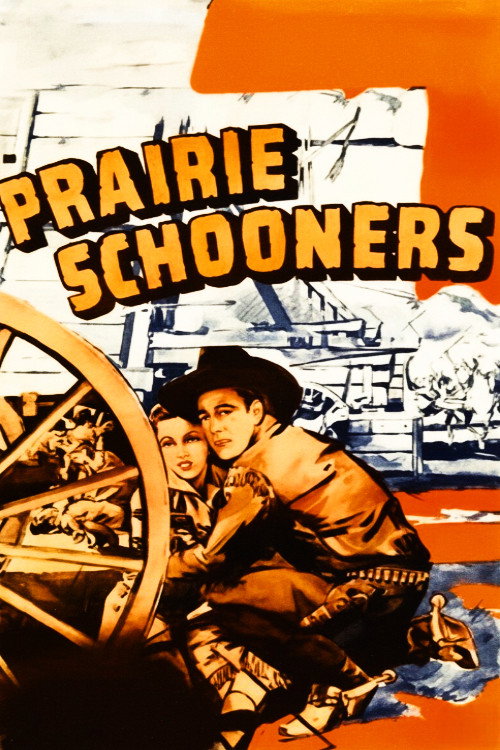
Prairie Schooners
1940
No user ratings available yet
Representation score: 0.3 out of 10
Representation Score
Minimal
1932
ApprovedDirector
John P. McCarthy
Runtime
59 minutes
Average Rating
No ratings yetNew Showbiz Analysis
The film is a typical 1930s Western that prioritizes traditional genre conventions and masculine leadership. While it offers a slight departure from the era's usual clichés through its depiction of cross-cultural alliances, it remains firmly rooted in the social hierarchies of its time. The narrative is driven by male protagonists and military intervention, leaving little room for gender diversity or LGBTQ+ representation. The focus on establishing order and following the trail reinforces the institutional values of the early frontier era. Ultimately, the film operates as a conventional genre piece. Its primary contribution to diversity is a potentially nuanced portrayal of Indigenous relationships, though this may still be limited by the period's storytelling constraints.
Category Breakdown
The film does not include any representation of LGBTQ+ identities or same-sex relationships. It follows a traditional framework that does not provide space for queer characters or themes.
The story focuses almost exclusively on male-driven conflict and leadership. It emphasizes masculine authority and military intervention, reflecting the traditional gender roles of the era.
The film mentions O'Hara's 'Indian friends,' indicating a collaborative relationship rather than a purely adversarial one. However, it is unclear if this relationship adds genuine depth or relies on period stereotypes.
The plot centers on frontier survival and the restoration of order through military force. It supports traditional structures of authority without challenging Western institutions.
The film does not depict any characters with physical, sensory, or neurodivergent disabilities.
Present on Screen
Limited or Absent
Official Synopsis
O'Hara has been hired to lead a wagon train west. Instead he has led it off the trail to where it can be attacked by his Indian friends. But Tennessee Mathews is familiar with O'Hara's tactics and sends for the soldiers.
1940
1937
1937
1942
1936
1953
1943
1935
No reviews yet. Be the first to share your thoughts on this movie!
Use the rating form above to leave a star rating and optional review.