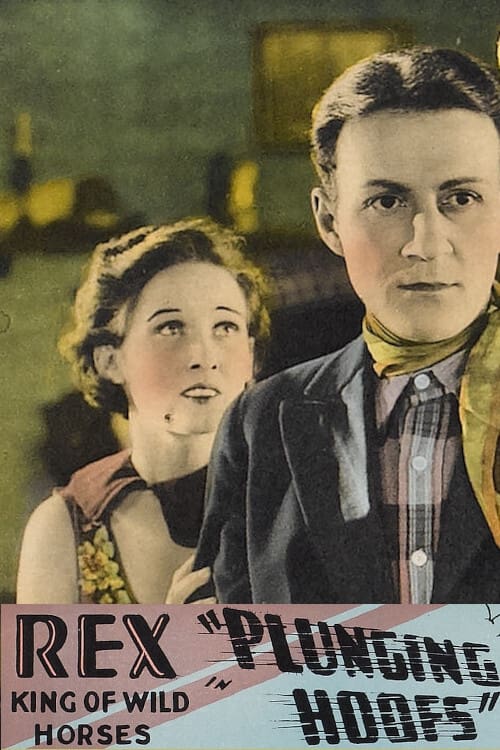
Plunging Hoofs
1929
No user ratings available yet
Representation score: 0.6 out of 10
Representation Score
Minimal
1928
PassedDirector
James W. Horne
Runtime
65 minutes
Average Rating
No ratings yetNew Showbiz Analysis
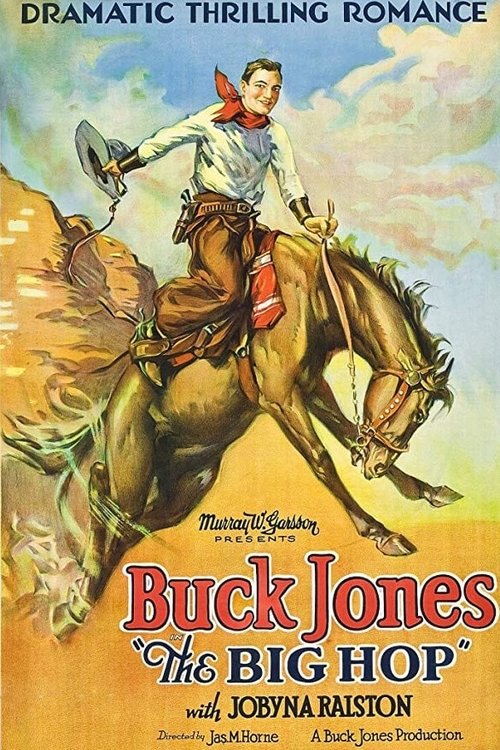
The Big Hop is a typical silent comedy from the 1920s, reflecting the social norms and demographic standards of the time. The narrative centers around a male protagonist navigating the world of barnstorming aviation. Produced in 1928, the film adheres to the social hierarchies of its era, showing little complexity in its portrayal of diverse identities or subversion of traditional norms. Overall, the film offers a period-specific example of the Western-adjacent comedy genre, without challenging the cultural or demographic status quo of its time.
Category Breakdown
The film does not depict any non-binary or same-sex relationships, sticking to the traditional heterosexual norms of the time.
The male protagonist, Buck Bronson, drives the story while female characters play supporting roles, maintaining traditional gender roles.
The cast appears to follow the casting norms of the era, with no indication of a diverse ensemble reflecting the varied demographics of the time.
The story emphasizes individual bravery and technological advancement within a traditional Western framework, without addressing contemporary social issues.
There is no mention of physical or neurodivergent disabilities in the film.
Present on Screen
Limited or Absent
Official Synopsis
Jones plays Buck Bronson, a ranch hand taking to the air as a barnstorming pilot.
1929
1939
1924

1923
1928

1925
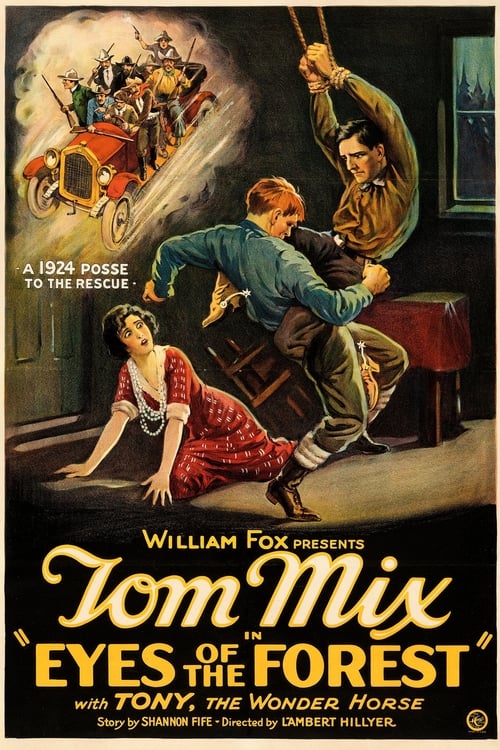
1923
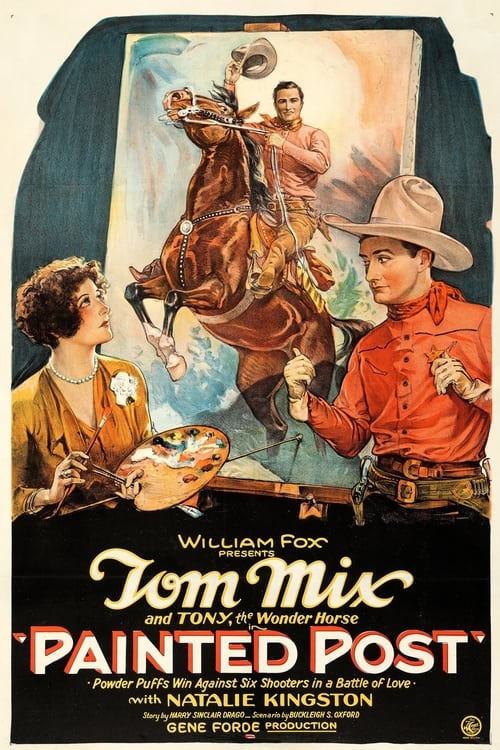
1928
No reviews yet. Be the first to share your thoughts on this movie!
Use the rating form above to leave a star rating and optional review.