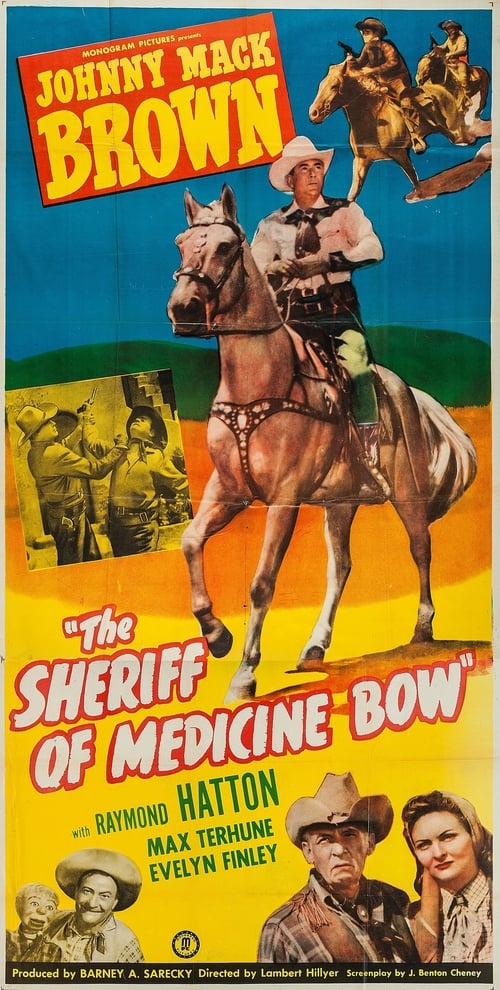
The Sheriff of Medicine Bow
1948
No user ratings available yet
Representation score: 0.6 out of 10
Representation Score
Limited
1940
ApprovedDirector
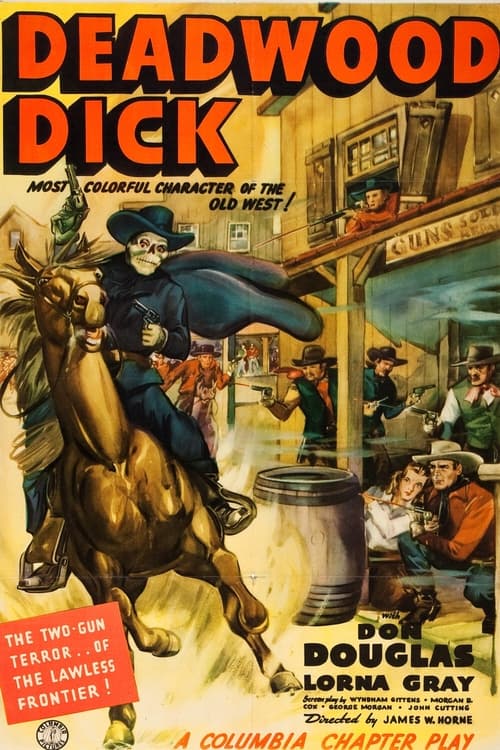
James W. Horne
Runtime
285 minutes
Average Rating
No ratings yetNew Showbiz Analysis
Deadwood Dick is a quintessential product of the 1940s studio system, prioritizing high-action formula over social complexity. The film reinforces the era's traditional hierarchies, offering little room for diverse perspectives or non-traditional identities. The narrative structure relies on clear-cut moral binaries and masculine leadership. This approach maintains the status quo of the Western genre, where control is concentrated in white male protagonists. Ultimately, the serial functions as a reinforcement of established social norms. It lacks the intentionality needed to challenge the cultural or gendered expectations of its time.
Category Breakdown
The film does not depict any LGBTQ+ identities. It follows traditional romantic pairings typical of 1940s serials.
Female characters are likely relegated to secondary roles, such as damsels in distress. Leadership and control remain almost exclusively the domain of male protagonists.
The narrative focuses on homogeneous white protagonists. Any diverse ethnic groups present likely serve as peripheral obstacles or rely on historical stereotypes.
The story reinforces traditional frontier values and the distinction between civilization and lawlessness. It promotes singular moralities and the stability of established social structures.
Physical disabilities are not portrayed with real depth. They likely function as plot devices or markers of villainy rather than nuanced explorations of health or neurodivergence.
Present on Screen
Limited or Absent
Official Synopsis
Columbia's 11th serial and the first western serial that James W. Horne solo-directed.
1948
1939

1944

1941

1944
1940
1924
1928
No reviews yet. Be the first to share your thoughts on this movie!
Use the rating form above to leave a star rating and optional review.