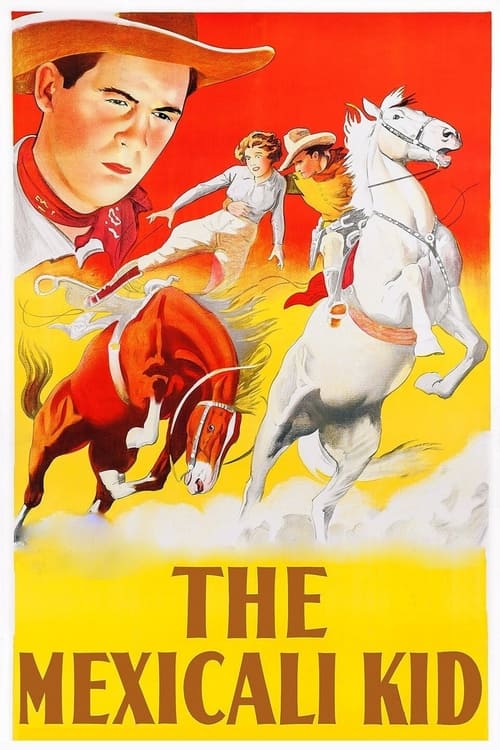
The Mexicali Kid
1938
No user ratings available yet
Representation score: 0.9 out of 10
Representation Score
Minimal
1935
NRDirector
Howard Bretherton
Runtime
61 minutes
Average Rating
No ratings yetNew Showbiz Analysis
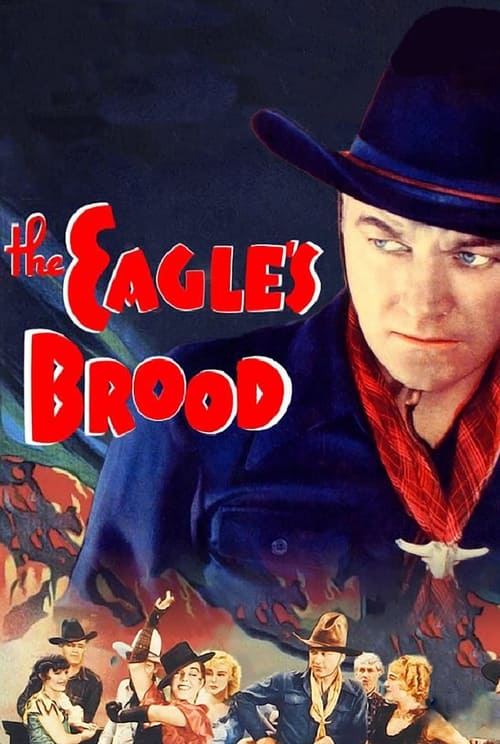
The Eagle's Brood is a typical B-Western from 1935, operating within rigid moral and social frameworks. The plot focuses on a debt of honor between an outlaw and a male protagonist, reinforcing traditional frontier hierarchies. Representation is limited to genre-standard casting and archetypes. The film lacks multi-layered complexity, focusing instead on conventional masculine ability to act and established social structures of the time.
Category Breakdown
The film does not include any characters with non-straight or non-cisgender identities. It adheres to the assuming gender matches what was assigned at birth and straight-centered standards typical of 1935 productions.
The story centers on traditional masculine roles, with ability to act framed through male protagonists rather than challenging gender norms.
The name 'El Toro' suggests Hispanic influence, but the representation likely relies on 1930s ethnic stereotypes. There is no evidence of nuanced or actively leading diverse characters.
The story upholds traditional Western values like frontier justice and individual honor. It lacks any critique or subversion of the social order.
There is no mention of characters dealing with physical or neurodivergent conditions. Disability is not part of the narrative.
Present on Screen
Limited or Absent
Official Synopsis
When the outlaw El Toro saves Hoppy's life, Hoppy agrees to find his missing grandson.
1938
1971
1935
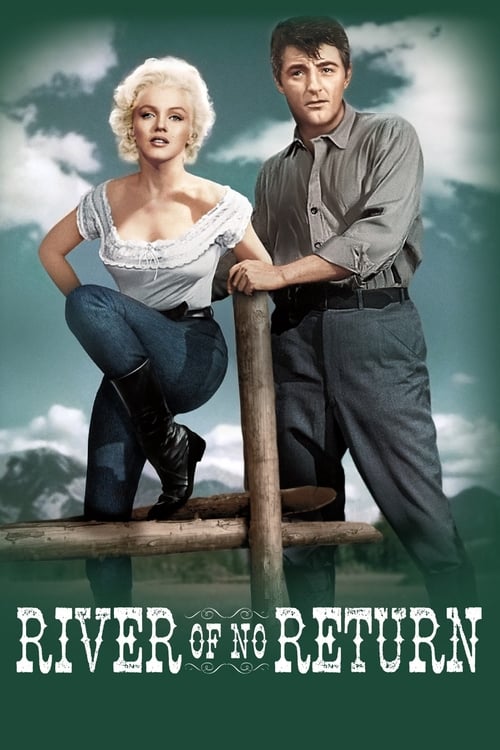
1954
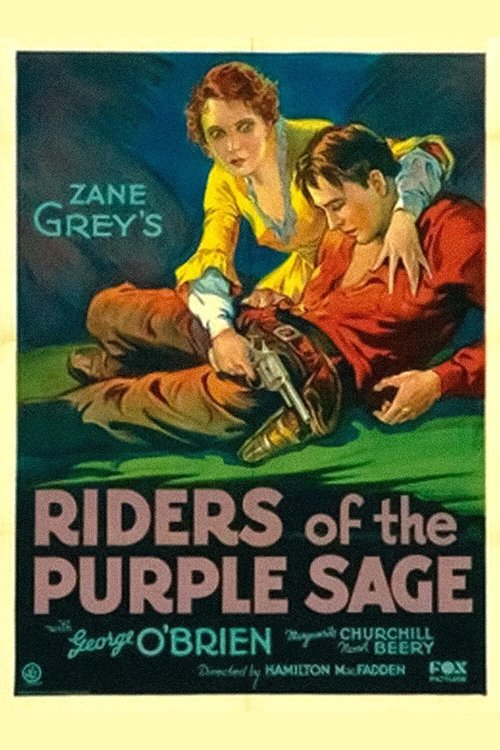
1931
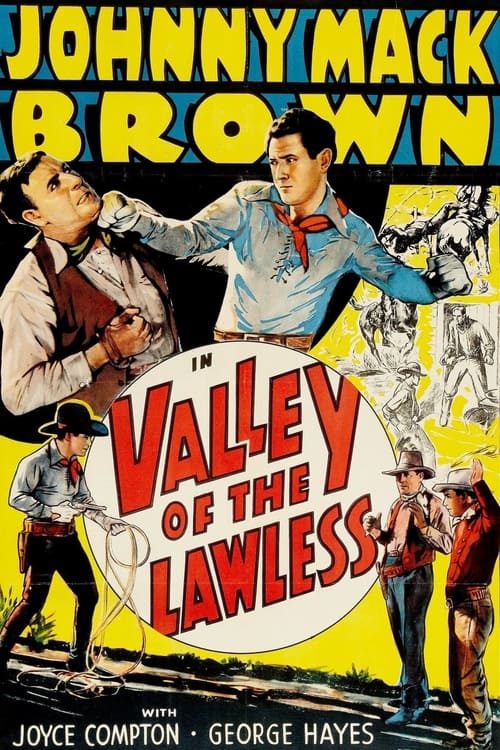
1936
1929
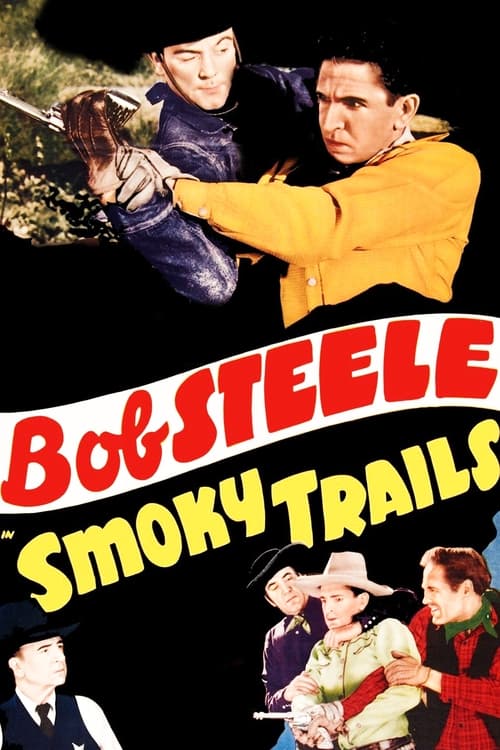
1939
No reviews yet. Be the first to share your thoughts on this movie!
Use the rating form above to leave a star rating and optional review.