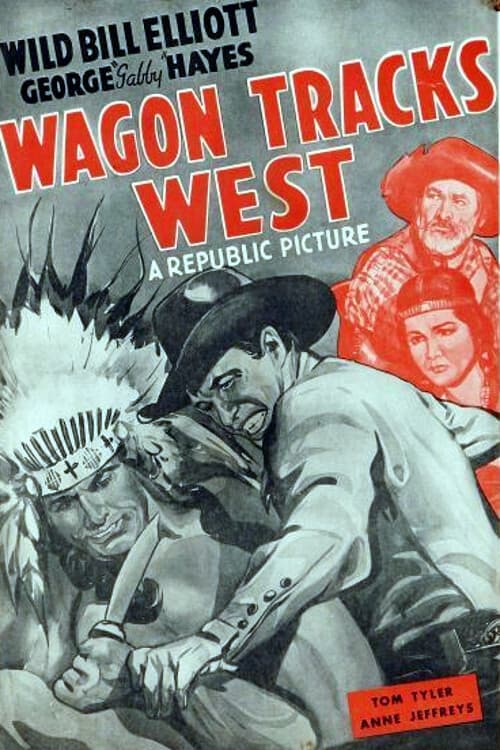
Wagon Tracks West
1943
No user ratings available yet
Representation score: 1.8 out of 10
Representation Score
Minimal
1941
ApprovedDirector
Lambert Hillyer
Runtime
60 minutes
Average Rating
No ratings yetNew Showbiz Analysis
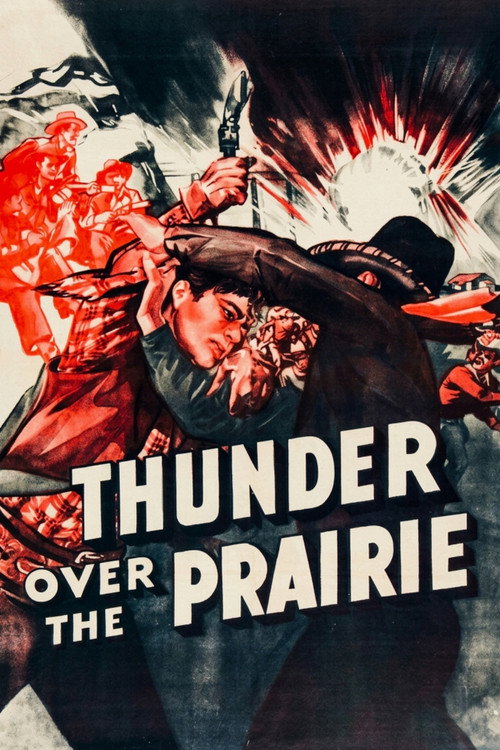
Thunder Over the Prairie is a product of the early 1940s B-Western era, adhering strictly to established genre clichés. The film uses racial conflict as a primary plot device, particularly through the lens of Indigenous exploitation, but it does not provide these characters with complex roles. The story remains anchored in a traditional masculine archetype, centering on a male physician navigating moral conflicts. While the film acknowledges systemic injustice, it resolves these issues through existing social and legal structures rather than challenging them. Ultimately, the film serves as a standard period piece. It addresses systemic injustice but fails to offer diverse representation beyond the central hero's perspective.
Category Breakdown
The film does not include any LGBTQ+ characters or non-straight relationships. It follows a traditional Western framework focused on conventional social structures.
The narrative focuses on the male protagonist, Steve Monroe, who drives the story. Female characters do not have significant roles or challenge gender hierarchies.
The plot deals with the exploitation of Indigenous people by a land baron. However, their role remains secondary to the actions of the white protagonist.
The story centers on restoring justice within existing frontier legal frameworks. It does not challenge Western or capitalist systems.
There are no visible or mentioned depictions of physical or neurodevelopmental disabilities in the narrative.
Present on Screen
Limited or Absent
Official Synopsis
An evil land baron uses the local Indians as laborers and then finds legal methods to cheat them of their pay. The reservation physician Steve Monroe does his best to thwart the villain by peaceable methods.
1943
1963
1949
1964
1937

1950
1946
1941
No reviews yet. Be the first to share your thoughts on this movie!
Use the rating form above to leave a star rating and optional review.