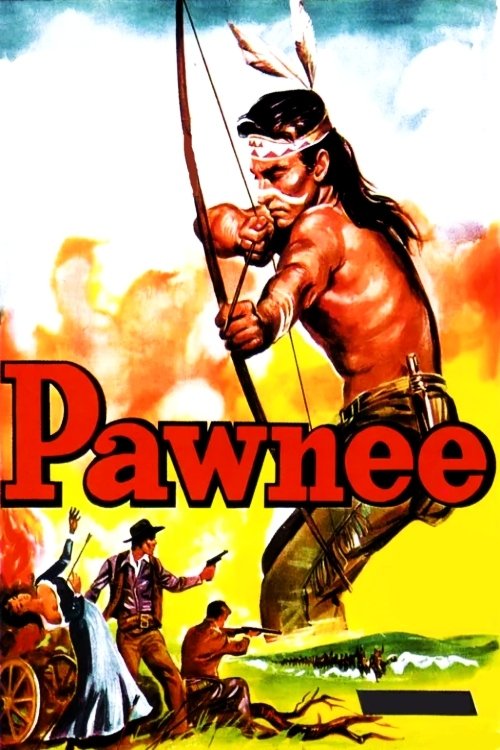
Pawnee
1957
No user ratings available yet
Representation score: 1.9 out of 10
Representation Score
Minimal
1954
NRDirector
Phil Karlson
Runtime
84 minutes
Average Rating
No ratings yetNew Showbiz Analysis
Phil Karlson’s film is a typical mid-century Western that mirrors the social norms of 1954. It slightly improves racial representation by acknowledging the medical and territorial struggles of Indigenous populations. However, it remains tied to traditional hierarchies and expectations regarding gender and authority. The story focuses on local frontier conflicts without challenging the broader social structures of the time.
Category Breakdown
The film does not include any LGBTQ+ characters or stories, sticking closely to the identity norms of the mid-1950s.
Gender roles align with traditional mid-century stereotypes. Male figures dominate leadership and decisive actions, with no significant challenge to these roles.
The story highlights the systemic pressures on Indigenous populations due to forced relocation to unhealthy lands. Their role is largely defined by their responses to the main character's decisions.
The narrative centers on frontier justice and survival, focusing on individual morality without critiquing broader Western institutions or expansionist policies.
The film does not feature characters with visible or invisible disabilities as central plot devices or with specific ability to act.
Present on Screen
Limited or Absent
Official Synopsis
A young cavalry doctor treats very sick Indians against orders, whom are forced to stay on unhealthy land, which could lead to a war.
1957
1966
1954
1959
1955
1960
1946

1950
No reviews yet. Be the first to share your thoughts on this movie!
Use the rating form above to leave a star rating and optional review.