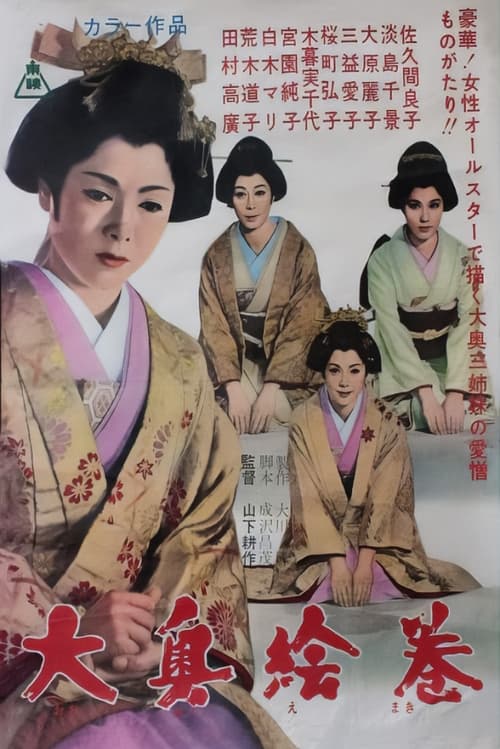
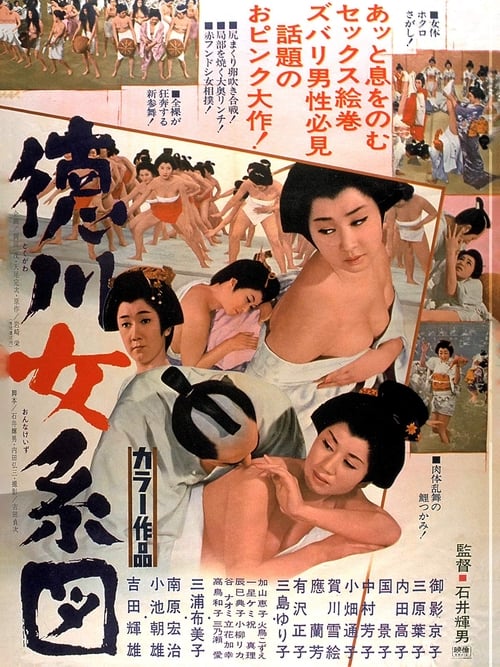
Tales of the Inner Chamber
1968
No user ratings available yet
Representation score: 4.3 out of 10
Representation Score
Fair
1968
Director
Teruo Ishii
Runtime
90 minutes
Average Rating
No ratings yetNew Showbiz Analysis
Teruo Ishii’s work often employs transgressive imagery to deconstruct social taboos and traditional hierarchies. This period drama examines the domestic and political intricacies of the Tokugawa Shogunate through a tragic lens. While the setting is ethnically homogeneous and lacks specific LGBTQ+ elements, the film’s strength lies in its potential to critique historical power structures. The narrative highlights the systemic oppression inherent in the concubinage system. Ultimately, the film serves as a study of gendered oppression and institutional morality within a highly stratified historical era.
Category Breakdown
The story revolves around a tragic romance involving a Shogun and his concubines. There are no clear representations of LGBTQ+ identities or critiques of heteronormativity.
The film follows a woman as she navigates the strict hierarchies of the concubinage system. It may challenge traditional feminine roles through themes of rebellion or suffering.
Set during the Tokugawa dynasty, the cast is uniformly Japanese. The film reflects the ethnically homogeneous society of 17th-century Japan.
The film may critique the patriarchal and hierarchical Tokugawa social order. It frames institutional power as a source of systemic suffering.
There is no evidence of characters with visible or invisible disabilities within the film's context.
Present on Screen
Limited or Absent
Official Synopsis
A tragic love story involving the 5th Shogun of the Tokugawa dynasty and a woman who became one of his concubines.
1968

1952
1986
1967
1965
1974
1986
1961
No reviews yet. Be the first to share your thoughts on this movie!
Use the rating form above to leave a star rating and optional review.