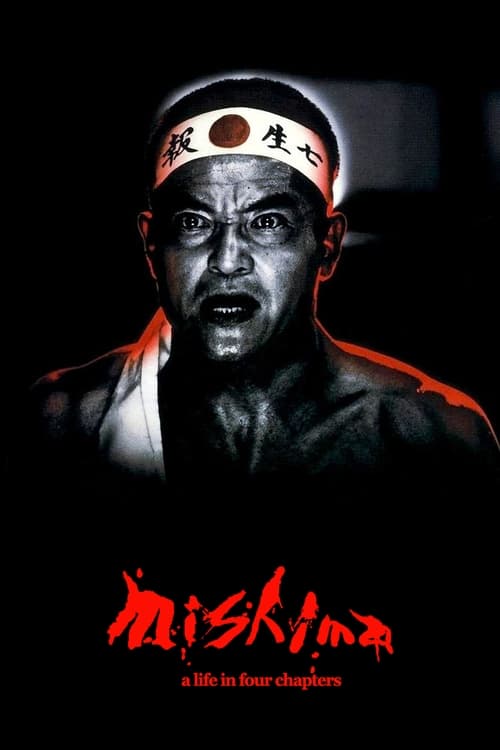
Mishima: A Life in Four Chapters
1985
No user ratings available yet
Representation score: 6.4 out of 10
Representation Score
Fair
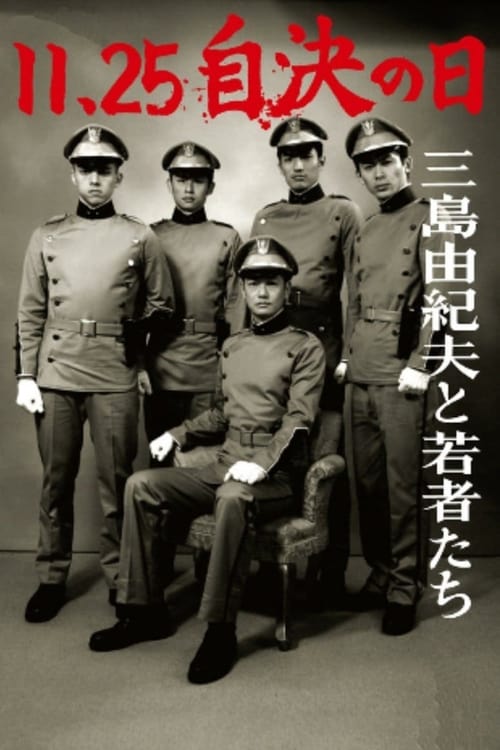
2012
Director
Kōji Wakamatsu
Runtime
119 minutes
Average Rating
No ratings yetNew Showbiz Analysis
Wakamatsu’s film prioritizes ideological disruption over demographic breadth. It focuses on Japanese national identity and critiques modernity, rather than emphasizing characters who reflect more than one aspect of diversity. The work achieves its strongest points through cultural representation, using Mishima's radicalism to question the legitimacy of the post-war state. However, the film's focus on a specific, hyper-masculine historical moment results in low scores for gender and LGBTQ+ visibility. Ultimately, the film is a study of the individual against systemic homogenization, trading traditional diversity markers for a concentrated exploration of political and cultural friction.
Category Breakdown
The film explores themes of masculine intimacy and homoerotic subtext within Mishima's private militia. These themes challenge traditional assumptions about sexuality, though the representation is subtle and not explicitly stated.
The narrative centers on a hyper-masculine political environment and radicalized masculine hierarchies. Women are largely absent from the central power dynamics of the Ministry of Defence siege.
The cast is ethnically homogeneous, reflecting a localized historical drama focused on Japanese political history. The film stays true to the era's social landscape without featuring actors from diverse ethnic backgrounds.
The film excels by critiquing Western-aligned institutional structures and post-war social orders. It challenges prevailing capitalist frameworks by focusing on a movement seeking to restore imperial sovereignty.
There is no significant evidence regarding the portrayal of physical or neurodivergent disabilities as central narrative drivers.
Present on Screen
Limited or Absent
Official Synopsis
On November 25th 1970, a man committed ritual suicide inside the Tokyo headquarters of the Japanese Ministry of Defence, leaving behind a legacy of masterpieces and a controversy that echoes to this day. The man was Yukio Mishima, one of Japan's greatest and most celebrated novelists. With four members of his own private army - the Tatenokai - Mishima had taken the commandant hostage and called upon the assembled military outside the Ministry to overthrow their society and restore the powers of the Emperor. When the soldiers mocked and jeered Mishima, he cut short his speech and withdrew to the commandant's office where he committed seppuku - the samurai warrior's death - tearing open his belly with a ceremonial knife before being beheaded by one of his colleagues. What was Mishima truly trying to express through his actions? And what did he witness during his final moments?
1985
1943
1971
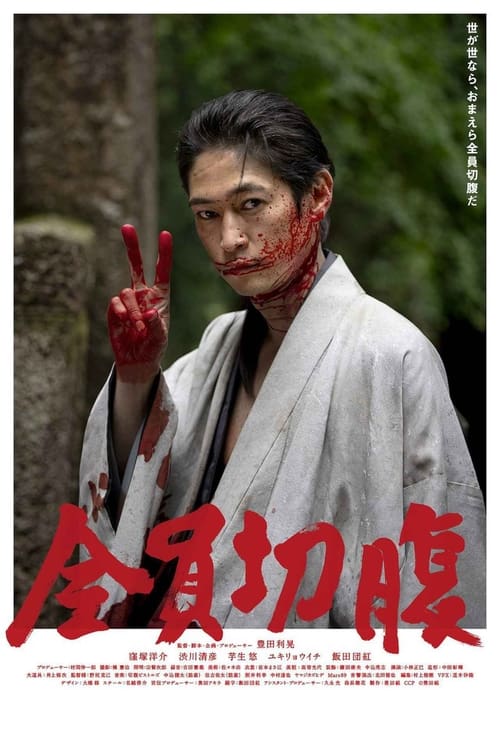
2021
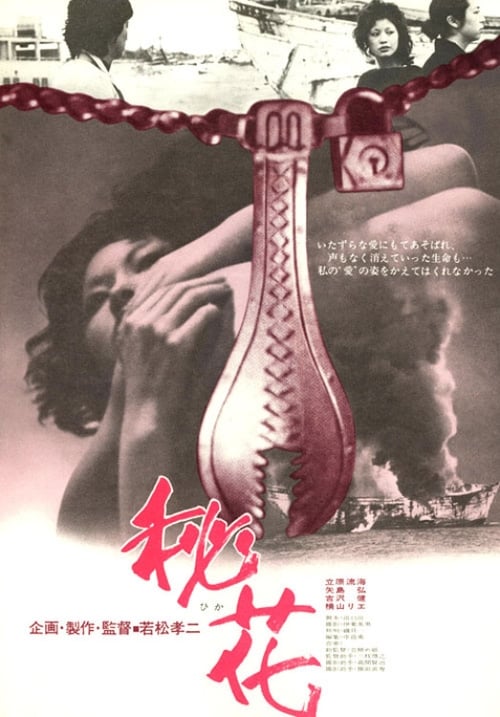
1971
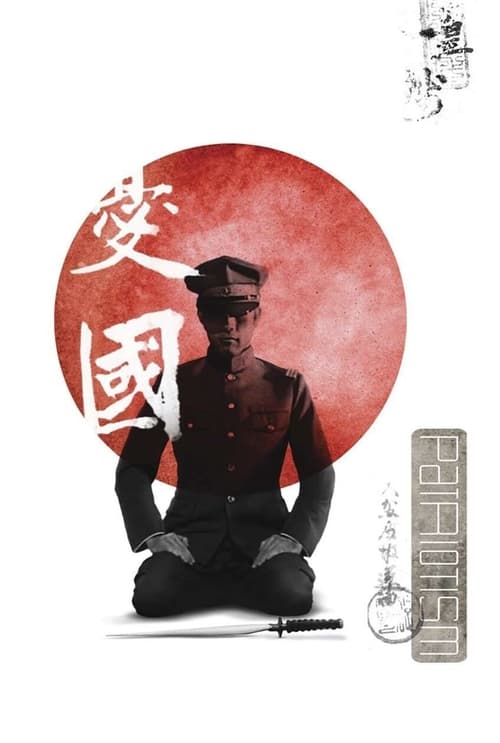
1966
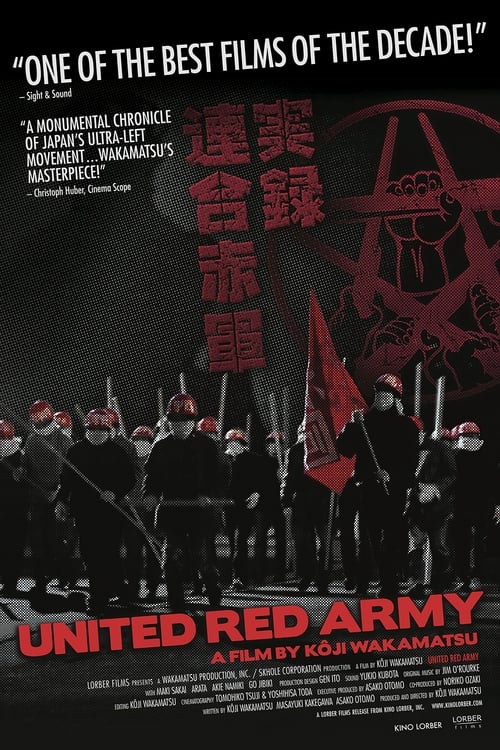
2007
1971
No reviews yet. Be the first to share your thoughts on this movie!
Use the rating form above to leave a star rating and optional review.