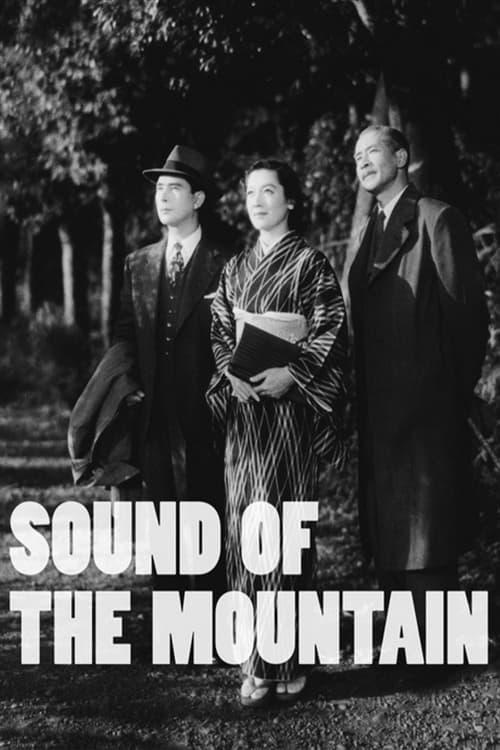
Sound of the Mountain
1954
No user ratings available yet
Representation score: 3.8 out of 10
Representation Score
Fair
1955
Director
Kon Ichikawa
Runtime
120 minutes
Average Rating
No ratings yetNew Showbiz Analysis
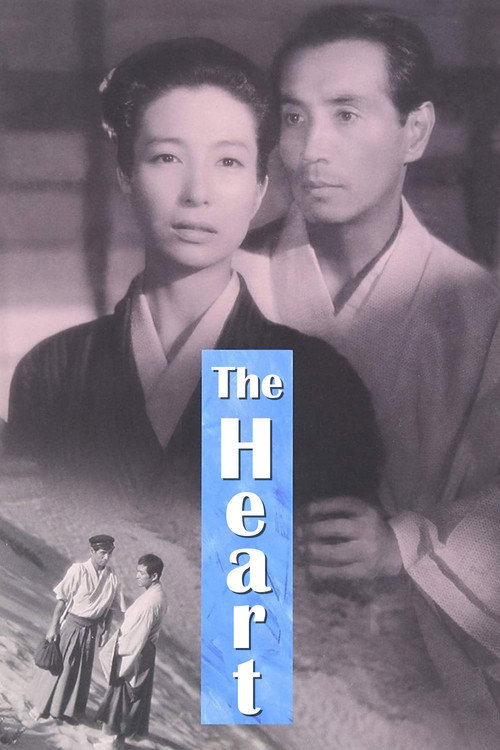
Kon Ichikawa’s drama is a period-specific exploration of existential themes that prioritize historical authenticity over contemporary demographic diversity. It captures the psychological alienation of individuals during the Meiji era, highlighting the friction between tradition and Westernization. The film’s limitations include its narrow focus on male-centric perspectives and traditional social structures. While women are integral to the plot, they often lack significant narrative independence. Ultimately, the work serves as a cultural critique, using the internal struggles of its characters to question the notion that societal progress is always beneficial.
Category Breakdown
The film focuses on traditional romantic relationships and social expectations for heterosexual couples. There are no stories involving LGBTQ+ identities or non-binary gender expressions.
The story primarily centers around the male protagonist's emotional journey. Women play crucial roles in driving the emotional tension but often serve as catalysts for the male lead's development rather than having independent roles.
The cast is entirely Japanese, reflecting the historical context of the Meiji era. The film does not blend different racial backgrounds but offers a detailed look at cultural identity during Westernization.
The story examines the tension between traditional Japanese values and Western influence during the Meiji era. It delves into the psychological impact of a rapidly changing society.
The film does not depict central characters with physical or neurodivergent disabilities. Instead, it explores themes of psychological trauma and existential isolation.
Present on Screen
Limited or Absent
Official Synopsis
In the dying months of the Meiji era, a sympathetic student befriends a married couple, but soon realizes they share a curiously strained relationship stemming from an unknown incident in their past.
1954
1952

1973
1961
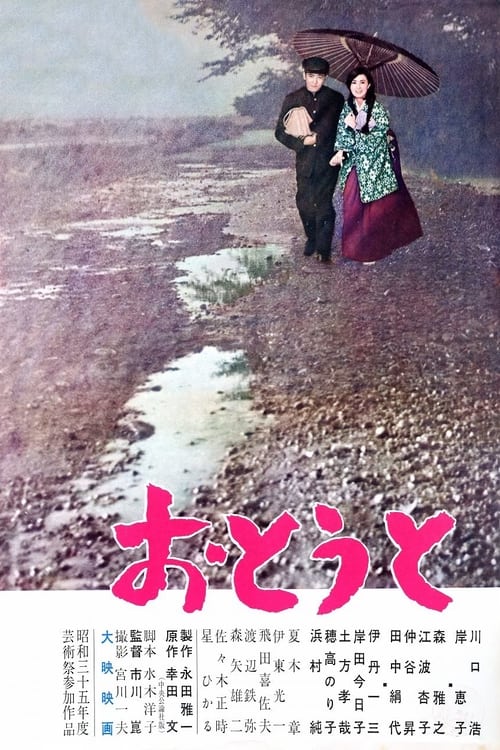
1960
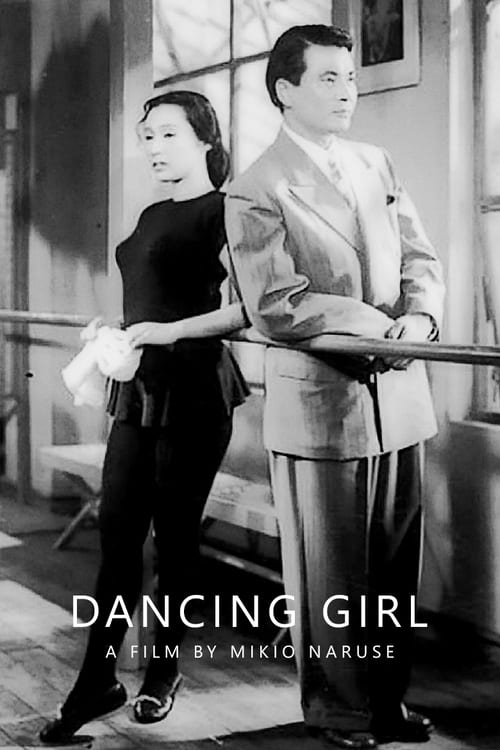
1951
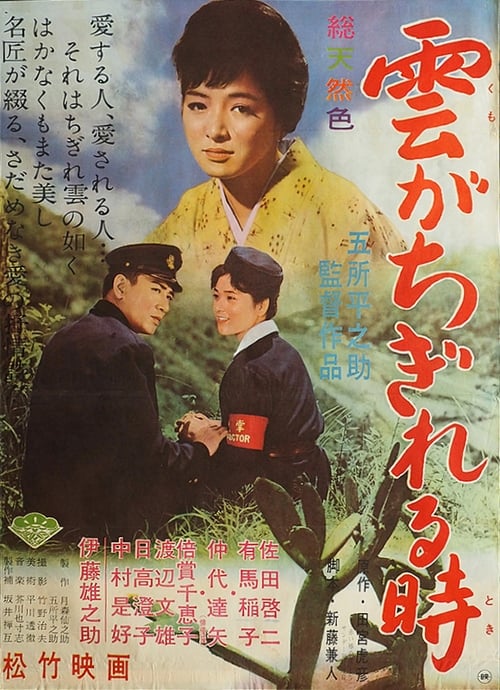
1961
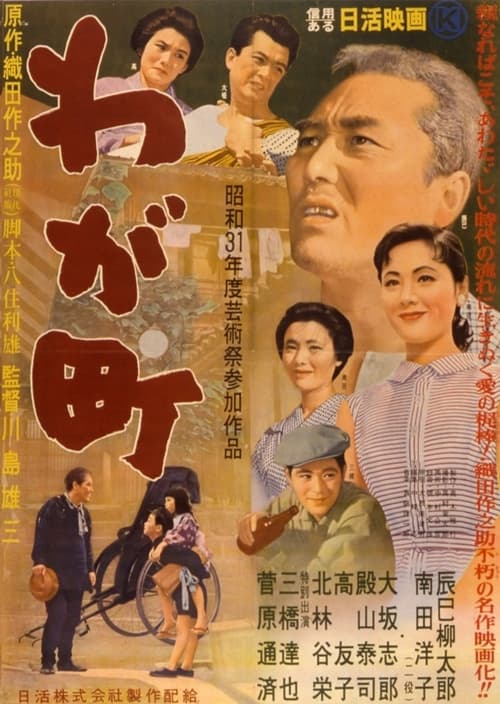
1956
No reviews yet. Be the first to share your thoughts on this movie!
Use the rating form above to leave a star rating and optional review.