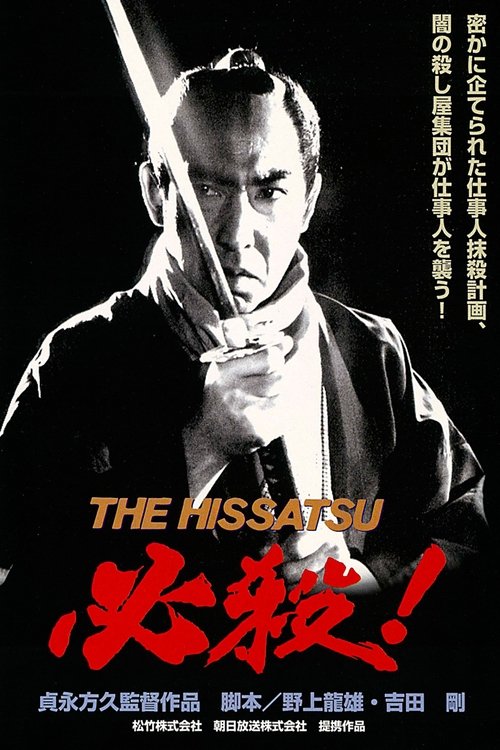
Sure Death
1984
No user ratings available yet
Representation score: 4.2 out of 10

Representation Score
Fair
1987
Director
Kinji Fukasaku
Runtime
131 minutes
Average Rating
No ratings yetNew Showbiz Analysis
Sure Death 4 explores themes of institutional failure and the breakdown of social order. The plot follows Mondo, a man navigating the periphery of a failing hierarchy after a professional lapse. This setup allows for a critique of systemic corruption and the instability of traditional power structures. While the film offers a non-Western perspective, it remains largely anchored in traditional masculine archetypes. The focus on clandestine assassins and masked thugs suggests a world of moral ambiguity rather than diverse social representation. Ultimately, the film functions as a study of systemic dysfunction. It favors a complex, situational approach to morality that disrupts conventional expectations of heroic justice.
Category Breakdown
The film doesn't include explicit details about queer identities or romantic orientations. It maintains a level of inclusion typical of 1980s genre cinema without specific queer narratives.
The story focuses on masculine archetypes of duty and professional failure. There are no actively leading female characters or significant subversions of traditional gender roles.
As a Japanese production, the film provides a non-Western perspective. It offers a departure from homogeneous Anglo-Saxon casting through its inherent cultural origin.
The narrative challenges Western institutional ideals by focusing on systemic corruption. It prioritizes moral relativism and critiques the effectiveness of traditional authority and justice.
There is no evidence regarding the portrayal of physical or neurodivergent disabilities within the narrative.
Present on Screen
Limited or Absent
Official Synopsis
Having been demoted for failing to prevent the murder of one of his superiors, Mondo is startled by a group of masked thugs who are soon attacked in turn by an unseen force. He begins to suspect the work of assassins, but whose side are they on?
1984
1974
1974
1967
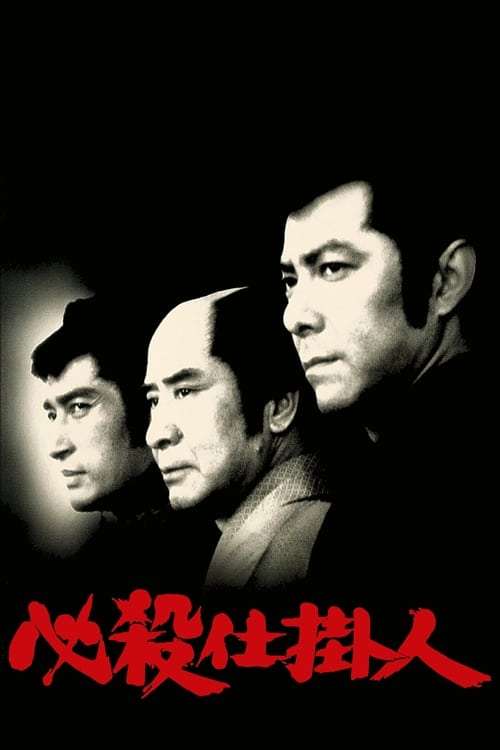
1973
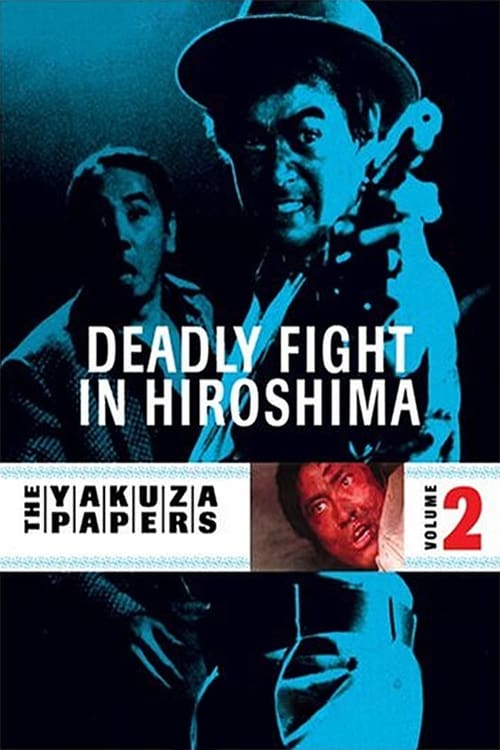
1973
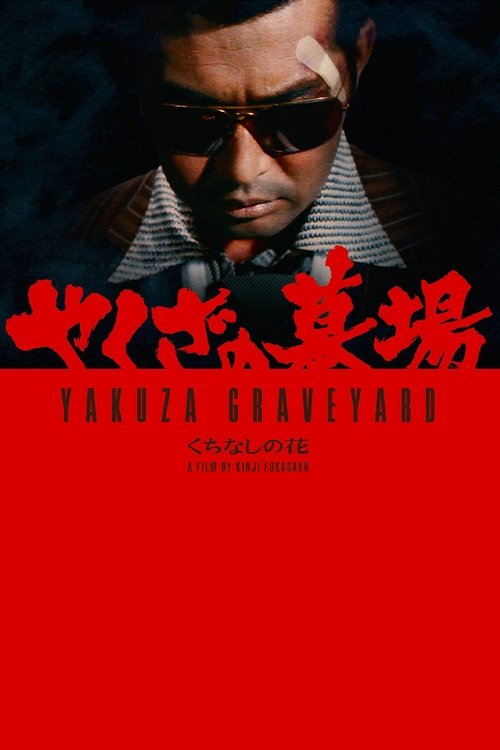
1976
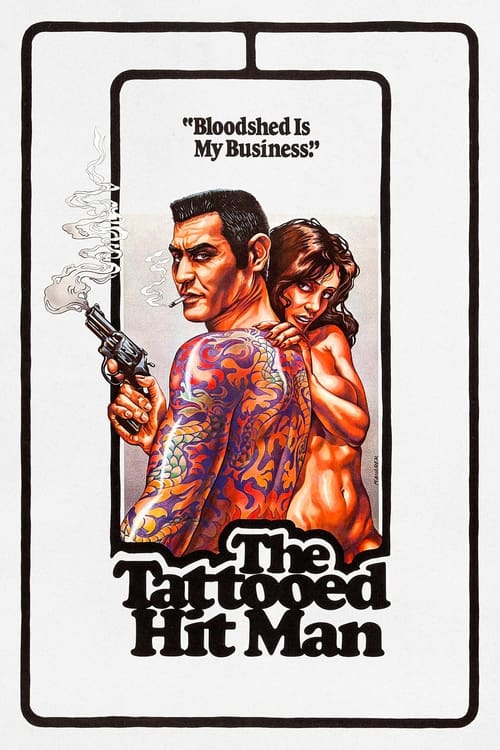
1974
No reviews yet. Be the first to share your thoughts on this movie!
Use the rating form above to leave a star rating and optional review.