
The Rack
1956
No user ratings available yet
Diversity score: 2.9 out of 10
1944
ApprovedDirector
Herbert J. Biberman
Runtime
95 minutes
Average Rating
No ratings yetSynopsis
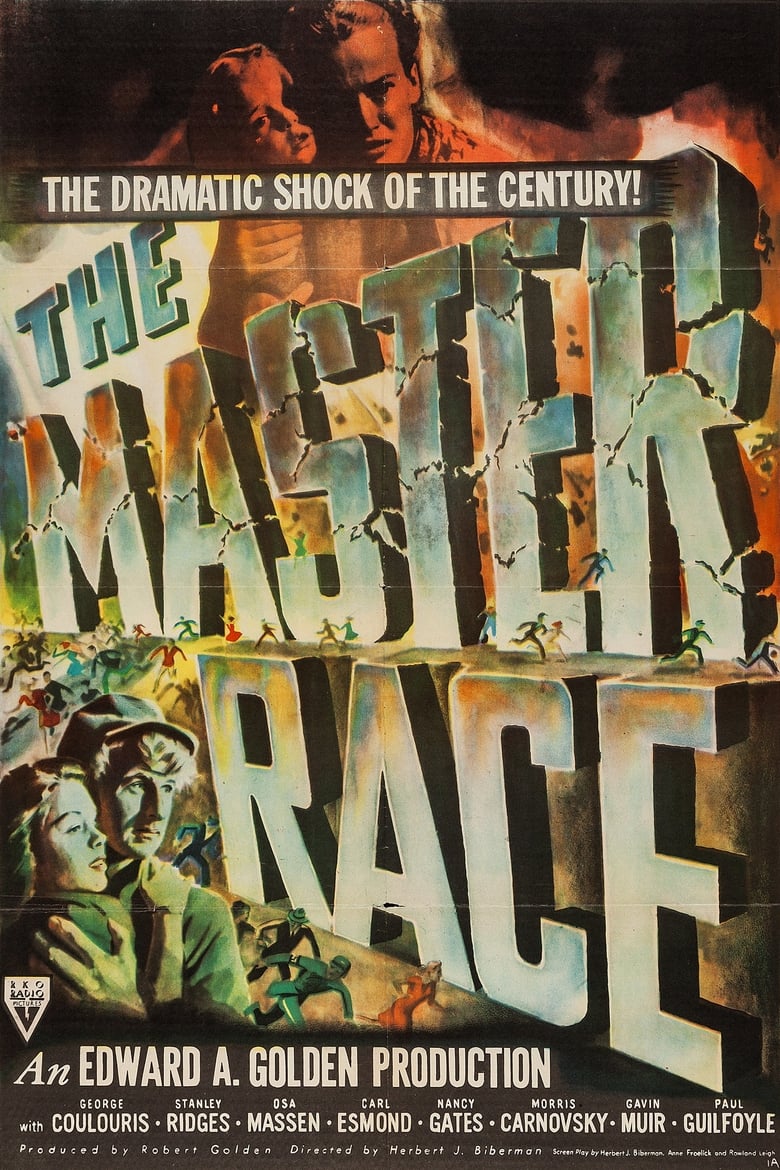
When allied troops liberate a small battle-scarred Belgium town in 1944 the American and British commanders do all they can to help the war-weary people back on their feet. There are mental and physical wounds to heal, fields to plough, the church to rebuild. But a top Nazi, knowing the War is lost, has infiltrated the town and is fostering dissent and disunity.
Overall Score
Limited
Category Breakdown
LGBTQ+ Representation
The film lacks any evidence of queer narratives or non-cisnormative identities. It adheres to the traditional social structures typical of 1944 cinema.
Gender Representation
Plot agency is concentrated among male characters, particularly within industrial leadership roles. The narrative reinforces traditional masculine archetypes of labor and struggle.
Racial & Ethnic Diversity
The cast is predominantly white and working-class, reflecting the European setting. It offers very little intersectional complexity or racial blending.
Religious & Cultural Diversity
The film provides a sophisticated critique of Western industrial capitalism. It prioritizes class-based identity and the agency of organized labor against exploitative corporate entities.
Disability Representation
War-related mental and physical wounds serve as situational context rather than character-driven narratives. There is no evidence of neurodivergent or disability-led agency.
Strengths
Areas for Improvement
AI Analysis
The Master Race is a film defined more by its systemic critique than by demographic variety. While it lacks representation for LGBTQ+ individuals, diverse racial groups, or women in leadership, it excels in its cultural deconstruction of power. By focusing on the struggle of the proletariat against capitalist institutions, the film challenges established economic hierarchies. It functions as a pro-labor narrative that prioritizes class identity over traditional patriotic tropes. Ultimately, the work trades identity politics for a deep dive into institutional power dynamics, making it a specialized study of class struggle rather than a broad demographic survey.
1956

1949
1962
1960
1946
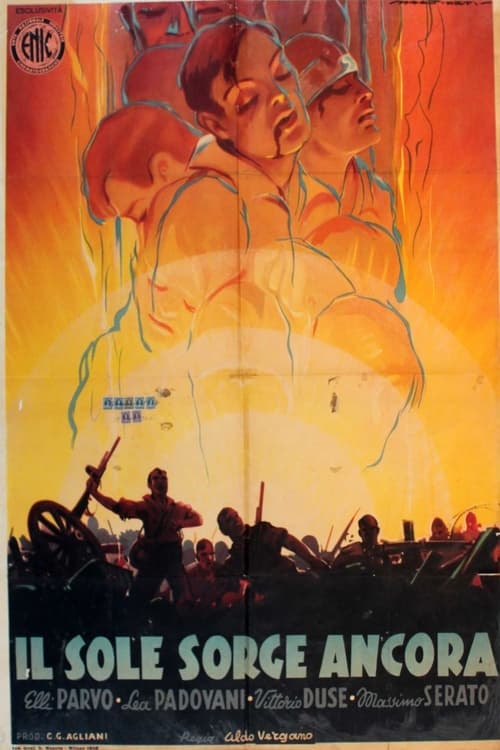
1946

1949
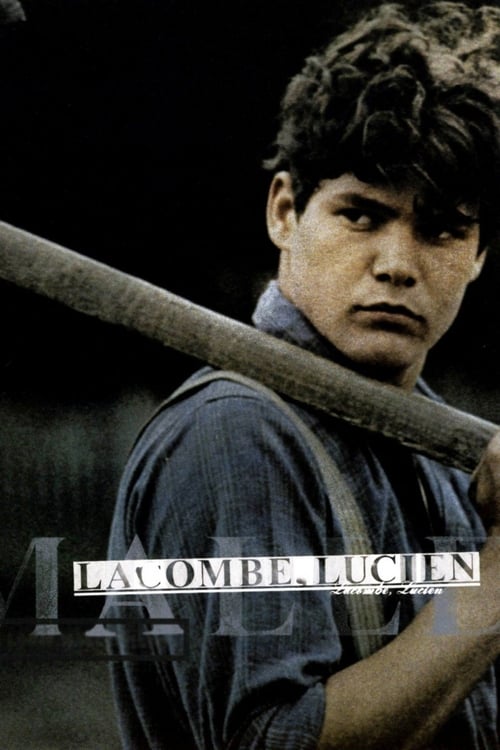
1974
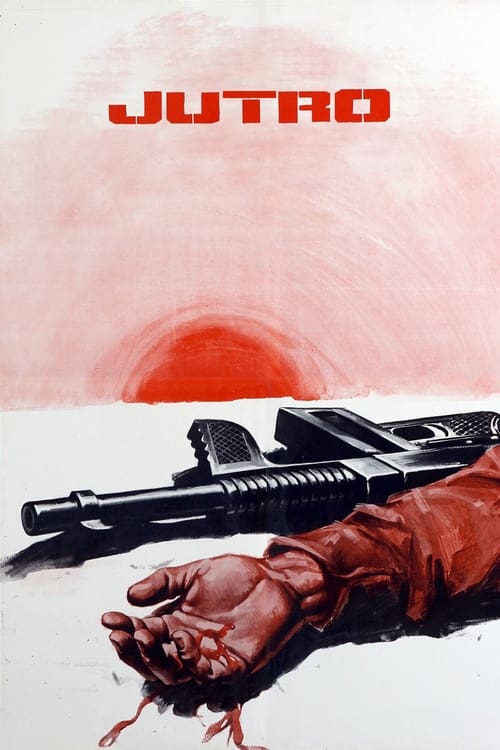
1967
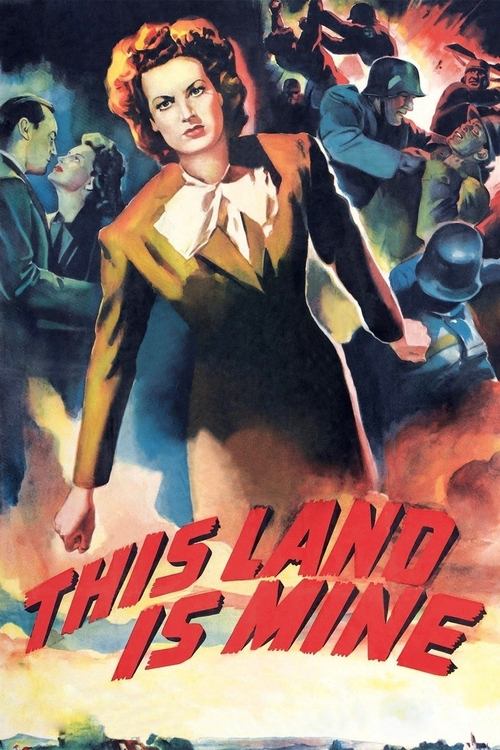
1943
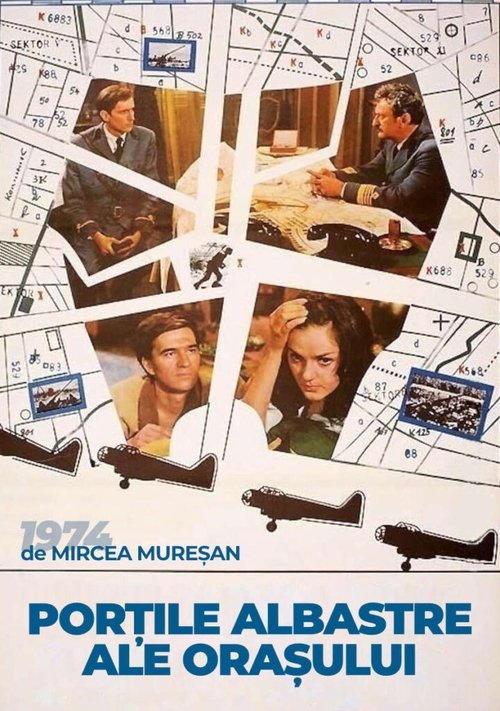
1974

2011
No reviews yet. Be the first to share your thoughts on this movie!
Use the rating form above to leave a star rating and optional review.