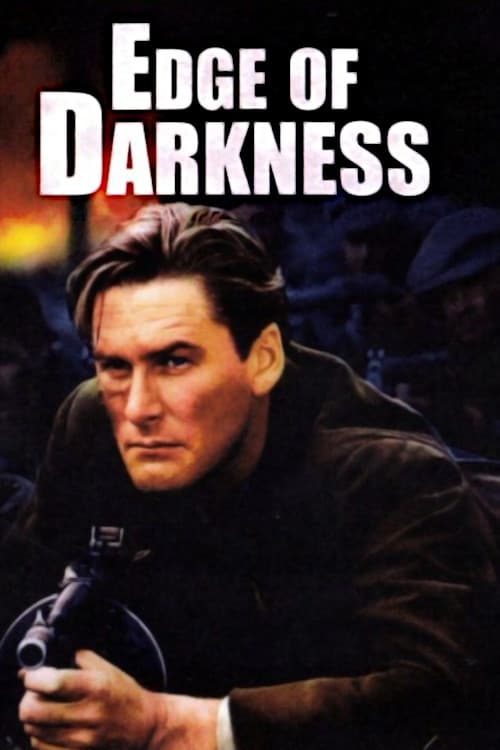
Edge of Darkness
1943
No user ratings available yet
Representation score: 2.1 out of 10
Representation Score
Minimal
1943
ApprovedDirector
Jean Renoir
Runtime
103 minutes
Average Rating
No ratings yetNew Showbiz Analysis
Jean Renoir’s work offers deep humanistic insights by emphasizing psychological and ethical complexity over simple heroism. The film successfully questions absolute moral truths through the lens of a teacher caught between collaboration and resistance. However, the film remains focused on the demographic structures typical of 1943. It lacks diverse representation, focusing almost exclusively on a white, male-driven narrative within a specific European geopolitical crisis. While culturally nuanced in its treatment of morality, the film fails to represent underrepresented identities or challenge established demographic norms.
Category Breakdown
The film does not include any LGBTQ+ characters or explore non-straight identities. The story focuses solely on the social pressures of wartime.
The story centers around male camaraderie and the male experience of combat. Women play supporting roles but are not central to the main conflict.
The cast is primarily white and European, reflecting the historical context of occupied France. There are no non-white characters in key roles.
The film explores moral relativism and situational ethics through the teacher's struggle. It critiques authoritarianism and the breakdown of traditional social orders.
There are no prominent depictions of visible or invisible disabilities. No characters are defined by disability as a central narrative driver.
Present on Screen
Limited or Absent
Official Synopsis
Somewhere in Europe, in a city occupied by the Nazis, a gentle school teacher finds himself torn between collaboration and resistance, cowardice and courage.
1943

1965

1943
1949
1943
1974
1943
1962
No reviews yet. Be the first to share your thoughts on this movie!
Use the rating form above to leave a star rating and optional review.