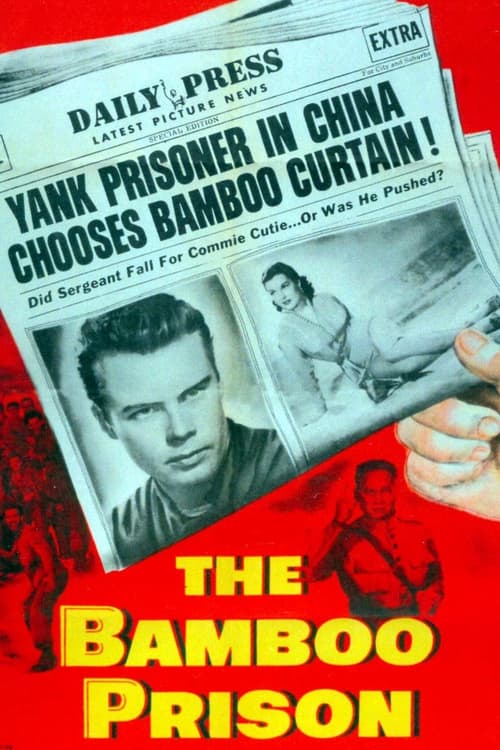
The Bamboo Prison
1954
No user ratings available yet
Representation score: 0.6 out of 10

Representation Score
Minimal
1956
NRDirector
Arnold Laven
Runtime
100 minutes
Average Rating
No ratings yetNew Showbiz Analysis
The Rack is a period drama that emphasizes thematic depth over broad demographic representation. While it misses opportunities to represent LGBTQ+ individuals, diverse racial groups, and people with disabilities, it excels in critiquing institutional power. The film's strength lies in its nuanced exploration of the moral complexities surrounding state and religious authority. It portrays these institutions as coercive forces rather than upholders of virtue. However, the film adheres closely to the rigid social hierarchies of its time. It lacks gender diversity and features a homogeneous cast that aligns with traditional historical conventions.
Category Breakdown
The film does not include any LGBTQ+ characters or explore non-straight identities. The story focuses on religious and political structures, without challenging traditional gender norms.
Women in the film are confined to secondary, domestic, or supportive roles. The main conflicts are driven by male characters, emphasizing traditional masculine leadership without significant female influence.
The cast is primarily white and uniform, reflecting the historical context. There is no indication of color-blind casting or the inclusion of diverse racial backgrounds.
The movie criticizes the oppressive nature of the Catholic Church and Tudor State by showing them as controlling forces. It examines the tension between personal beliefs and mandated conformity.
There are no prominent portrayals of physical or neurodivergent disabilities. Psychological trauma resulting from interrogation is shown but not explored as a disability issue.
Present on Screen
Limited or Absent
Official Synopsis
Army Captain Edward Hall returns to the U.S. after two years in a prison camp in the Korean War. In the camp, he was brainwashed and helped the Chinese convince the other prisoners that they were fighting an unjust war. When he comes back he is charged for collaboration with the enemy. Where does loyalty end in a prison camp, when the camp is a living hell?
1954
1958

1968
1956
1960

1965
1965
1965
No reviews yet. Be the first to share your thoughts on this movie!
Use the rating form above to leave a star rating and optional review.