Johnny the Partisan
2000
No user ratings available yet
Representation score: 4.0 out of 10
Representation Score
Fair
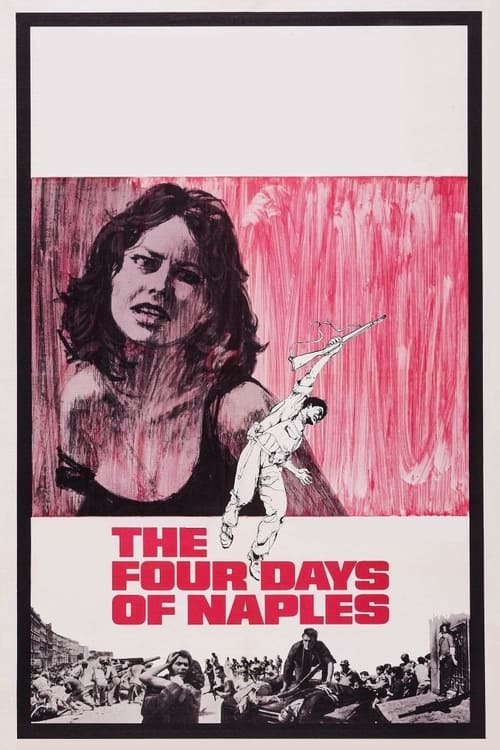
1962
Director
Nanni Loy
Runtime
120 minutes
Average Rating
No ratings yetNew Showbiz Analysis
Nanni Loy’s film is a gritty, localized study of resistance that prioritizes the actions of the Neapolitan people over institutional narratives. It succeeds in deconstructing traditional power structures by showing how survival necessitates the abandonment of conventional legal codes. However, the film remains constrained by its historical specificity. The demographic representation is limited, with a homogeneous cast and a lack of LGBTQ+ or diverse identities, reflecting the social realities of 1943. Ultimately, the work is more progressive in its political structure than its demographic breadth. It celebrates the subaltern rising against an occupying force, even if its character archetypes remain traditional.
Category Breakdown
The film focuses on the struggle for survival in a mid-century Mediterranean setting. There are no LGBTQ+ characters or narratives addressing non-straight relationships.
Women are depicted navigating chaos through domestic survival and managing household scarcity. They are shown as resilient actors amidst fractured stability, operating within traditional roles.
The cast is culturally homogeneous, reflecting the specific historical and geographical setting of Naples. It provides localized depth rather than engaging in contemporary diverse blending.
The narrative centers a civilian uprising that disrupts traditional notions of state authority. It prioritizes the actions of the underrepresented populace over institutional stability.
The film depicts the physical and psychological toll of war through the elderly and infirm. These figures serve as markers of pervasive suffering rather than characters with individual ability to act.
Present on Screen
Limited or Absent
Official Synopsis
September 1943. After Italy surrenders to the Allies, people in Naples believe the war is finally over, but soon they realize Germans are still in control — and as ruthless as ever. Armed with makeshift weapons, civilians rise up en masse against the invaders — and overwhelming odds.
2000
1945
1951
1946
1972
2004
1946
1964
No reviews yet. Be the first to share your thoughts on this movie!
Use the rating form above to leave a star rating and optional review.