
The Blood of Others
1984
No user ratings available yet
Representation score: 2.9 out of 10
Representation Score
Limited
1974
RDirector
Louis Malle
Runtime
138 minutes
Average Rating
No ratings yetNew Showbiz Analysis
Louis Malle’s drama excels in its philosophical depth, using the setting of occupied France to dismantle traditional notions of heroism and patriotism. By presenting a protagonist who chooses collaboration, the film avoids binary moralizing in favor of complex situational ethics. However, the film is demographically narrow, lacking LGBTQ+ representation and broader racial diversity. The gender dynamics remain centered on the male protagonist's journey. Ultimately, the work prioritizes cultural and intellectual complexity over demographic breadth. It succeeds as a critique of nationalistic narratives while remaining limited in its representation of diverse identities.
Category Breakdown
The film focuses solely on the heterosexual relationship between Lucien and France Horn. There is no representation of LGBTQ+ individuals or challenges to the assumption that everyone is straight or cisgender.
The story centers on the male experience of political and moral crisis. While France Horn is a key character, she mainly serves as a catalyst for the protagonist's internal struggle.
The casting reflects the homogeneous demographic of occupied rural France. The film highlights the Jewish identity of France Horn but lacks broader ethnic or racial diversity.
The film offers a sophisticated deconstruction of the heroic myth. It uses moral relativism to challenge traditional Western institutions and social hierarchies.
There are no significant depictions of physical or neurodivergent disabilities in the main storyline.
Present on Screen
Limited or Absent
Official Synopsis
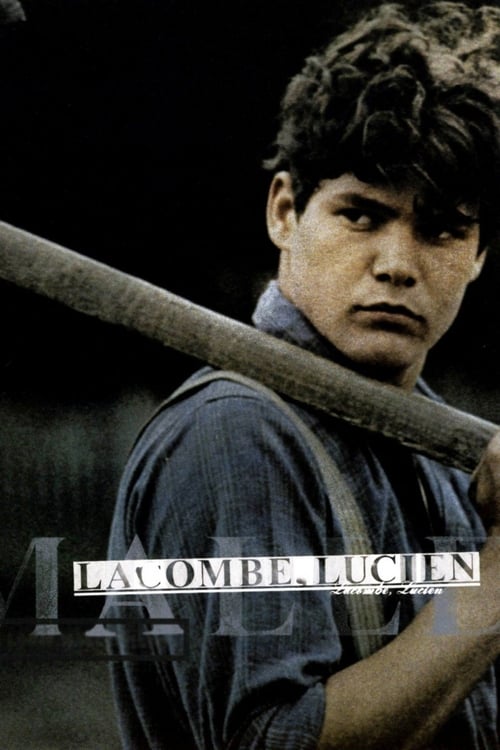
In Louis Malle's lauded drama, Lucien Lacombe is a young man living in rural France during World War II who seeks to join the French Resistance. When he is rejected due to his youth, the resentful Lucien allies himself with the Nazis and joins the Gallic arm of their Gestapo. Lucien grows to enjoy the power that comes with his position, but his life is complicated when he falls for France Horn, a beautiful young Jewish woman.
1984
1949
1992

1965
1943
1958
2004
2002
No reviews yet. Be the first to share your thoughts on this movie!
Use the rating form above to leave a star rating and optional review.