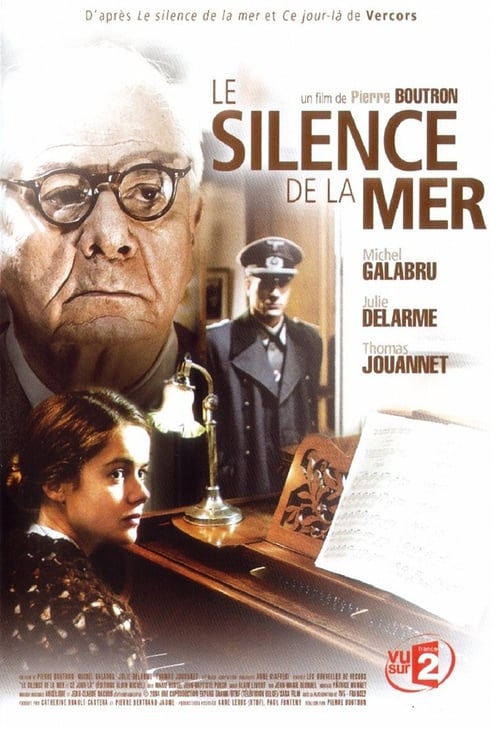
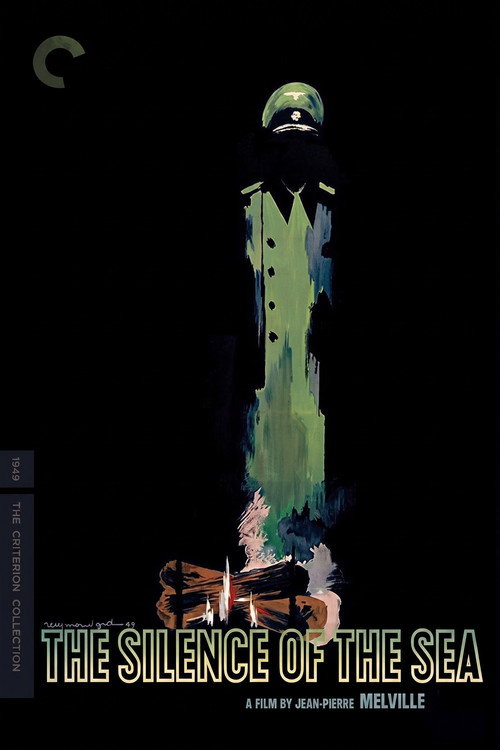
Silence of the Sea
2004
No user ratings available yet
Representation score: 4.5 out of 10
Representation Score
Minimal
1949
Not RatedDirector
Jean-Pierre Melville
Runtime
87 minutes
Average Rating
No ratings yetNew Showbiz Analysis
The film emphasizes psychological tension rather than demographic diversity. It prioritizes the exploration of individual autonomy against systemic forces over the inclusion of underrepresented groups. Though the film may score low on contemporary standards of inclusion, it offers intellectual depth by challenging the 'hero vs. villain' narrative. The narrative focuses on the complexities of individual resistance and moral ambiguity. Ultimately, the film's strength lies in its nuanced moral landscape. It uses a narrow, homogeneous setting to explore complex psychological themes and the subversion of traditional authority.
Category Breakdown
The film does not depict any non-binary genders or same-sex relationships, operating within a traditional structure focused on wartime conditions.
The story centers on a niece who resists societal expectations passively. Her refusal to conform to social norms challenges traditional feminine roles.
The narrative features a predominantly white cast set in a small town in France. Conflict arises from political beliefs rather than racial or ethnic differences.
The film explores moral ambiguity by portraying the German officer as a human being. It questions institutional authority through the family's quiet defiance of the occupier's social norms.
There are no visible or invisible disabilities that play a central role in the narrative or drive the plot.
Present on Screen
Limited or Absent
Official Synopsis
In a small town in WWII France, a German officer is billeted in the house of an elderly man and his niece who resist the occupation by refusing to interact with him, even as he speaks to them candidly about his life and hopes for the future of France and Germany.
2004

1974

1943

1965

1992

2015
1968

1943
No reviews yet. Be the first to share your thoughts on this movie!
Use the rating form above to leave a star rating and optional review.