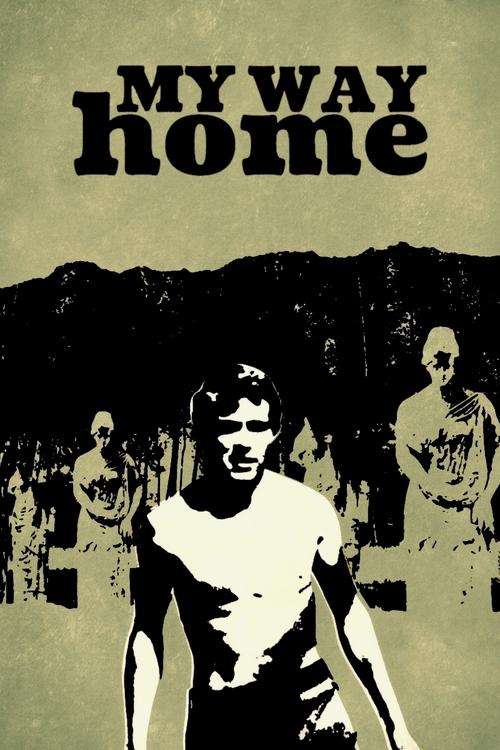
My Way Home
1965
No user ratings available yet
Representation score: 5.5 out of 10
Representation Score
Fair
1960
Director
André Cayatte
Runtime
125 minutes
Average Rating
No ratings yetNew Showbiz Analysis
André Cayatte’s drama is a rigorous critique of institutional structures, using social realism to examine the tension between state authority and individual influence. It disrupts conventional moral clarity by framing delinquency as a product of failed carceral environments rather than an inherent character flaw. While the film provides a sophisticated deconstruction of state authority, it lacks demographic breadth. The narrative is heavily centered on traditional masculine power dynamics and a homogeneous social landscape, offering little representation for women, LGBTQ+ individuals, or diverse racial identities. Ultimately, the film's strength lies in its cultural critique of the penal system. It prioritizes a systemic analysis of corruption over individual meritocracy, though this intellectual depth does not translate into diverse character representation.
Category Breakdown
The film focuses almost exclusively on a male-dominated institutional hierarchy. There is no evidence of non-traditional gender identities or stories addressing the assumption that everyone is straight or cisgender.
The narrative operates within a strictly patriarchal framework. Power structures are defined by male authority figures and male subjects, reinforcing traditional hierarchies of masculine dominance.
The film depicts a relatively homogeneous social environment. The cast lacks significant evidence of diverse racial backgrounds or the intentional disruption of Eurocentric casting norms.
The film excels in its critique of Western institutionalism. It presents traditional authority and the penal system as inherently flawed and oppressive rather than righteous.
The film explores the psychological impact of institutionalization but lacks characters with visible or invisible disabilities. The focus remains on socioeconomic and behavioral aspects of inmates.
Present on Screen
Limited or Absent
Official Synopsis
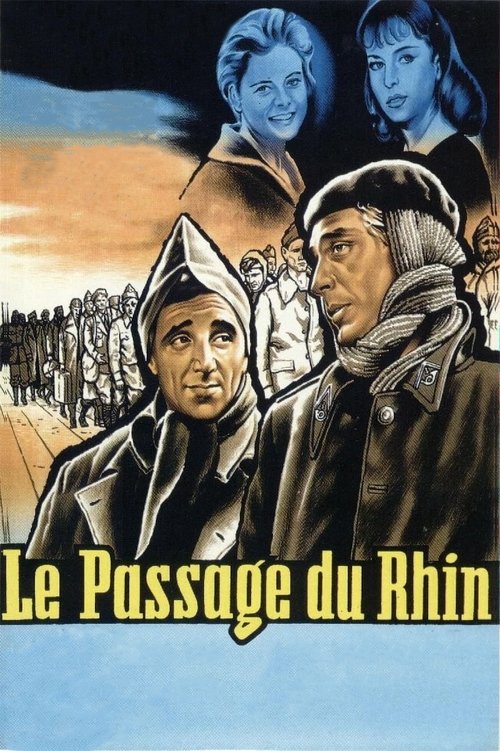
Following the defeat of France by Germany during WWII, two French soldiers are taken to a German farm as forced laborers.
1965
1958
1996
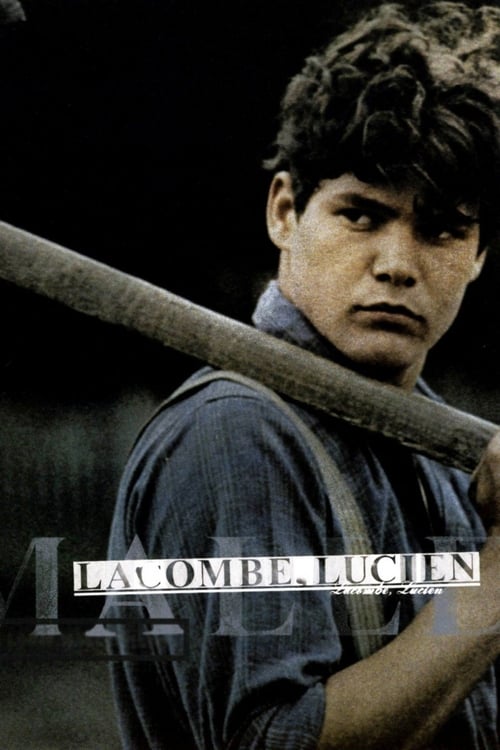
1974
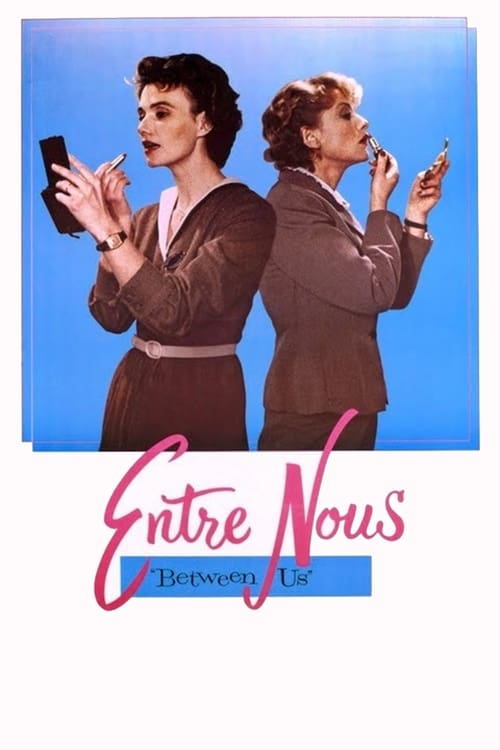
1983

1960
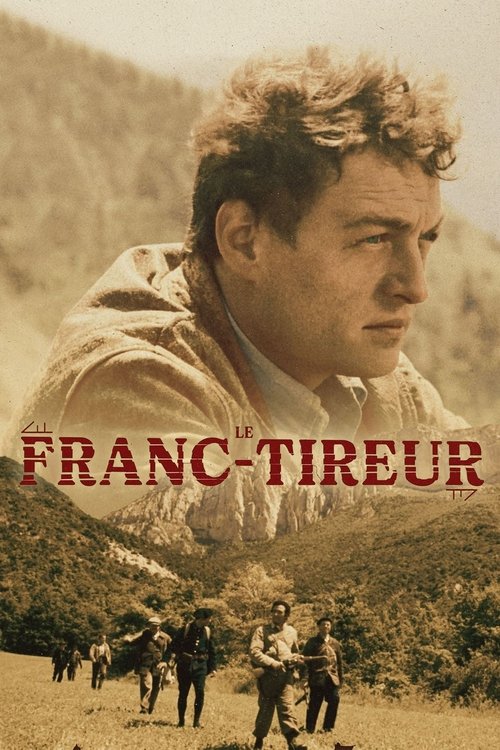
1972

2015
No reviews yet. Be the first to share your thoughts on this movie!
Use the rating form above to leave a star rating and optional review.