Under the Same Sky
1964
No user ratings available yet
Representation score: 4.2 out of 10
Representation Score
Fair
1967
Director
Mladomir 'Puriša' Đorđević
Runtime
76 minutes
Average Rating
No ratings yetNew Showbiz Analysis
The film functions as a realistic portrayal of politics and morality, prioritizing these elements over contemporary markers of diversity. It succeeds by dismantling idealized national narratives common in war films, opting for a gritty depiction of institutional instability. While it lacks representation for LGBTQ+ identities and disability, it excels in its multi-ethnic setting and its refusal to offer simple answers about justice. The focus remains on the human cost of ideological shifts and the complex realities of post-war governance.
Category Breakdown
The film does not include explicit LGBTQ+ characters or narratives. It focuses on wartime archetypes and social structures typical of the time.
Women may appear in roles of resilience or victimhood. However, there is little evidence of female characters challenging traditional patriarchal hierarchies or wartime structures.
Set in Yugoslavia, the film highlights a multi-ethnic landscape. It explores the internal ethnic and political tensions among partisans and collaborators.
The narrative critiques power and justice through moral ambiguity. It avoids heroic clichés, focusing instead on the complexities of moral ambiguity and systemic corruption.
There is no evidence of disability, neurodivergence, or chronic illness being central to the narrative.
Present on Screen
Limited or Absent
Official Synopsis
In the first days after the Second World War, as collaborators are being taken care of, a former partisan finds out that war never truly ends — not even in time of peace.
1964
1996
1978
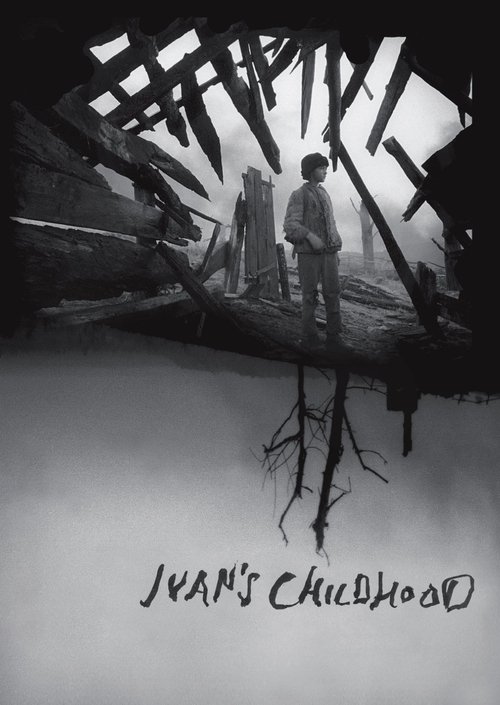
1962

1980
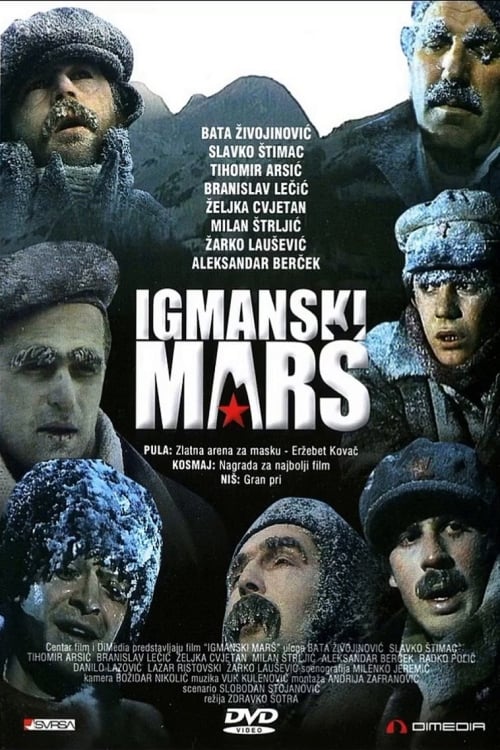
1983
1980
1947
No reviews yet. Be the first to share your thoughts on this movie!
Use the rating form above to leave a star rating and optional review.