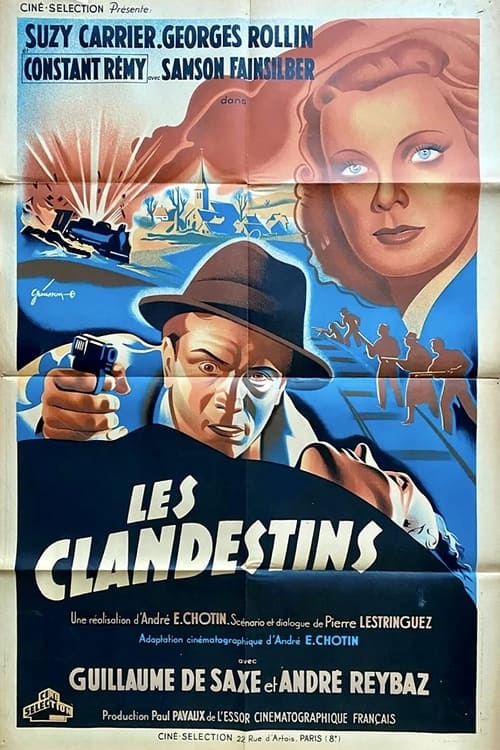
Clandestine
1946
No user ratings available yet
Representation score: 5.1 out of 10
Representation Score
Limited
1946
NRDirector
René Clément
Runtime
85 minutes
Average Rating
No ratings yetNew Showbiz Analysis
The film's primary strength lies in its narrative structure, which rejects the 'Great Man' theory of history. By focusing on railway workers rather than high-ranking military leaders, it empowers the working class and celebrates decentralized resistance. However, the film is limited by its 1946 production context, lacking modern characters who reflect more than one aspect of diversity, particularly regarding LGBTQ+ identities and diverse racial casting. Ultimately, the film achieves a unique form of cultural progressiveness by framing the disruption of state-controlled infrastructure as a virtuous act of liberation, prioritizing collective identity over institutional authority.
Category Breakdown
The film does not include any LGBTQ+ characters or narratives. It focuses solely on the socio-political realities of the French Resistance.
The narrative shifts away from traditional military stories by centering on a group of workers. However, it does not provide specific examples of women taking leadership roles or having significant influence.
The cast reflects the demographics of occupied France. There is no indication of multi-layered casting or challenging ethnic norms.
The film critically examines power structures and celebrates the ability to act of the working class as drivers of change. It highlights anti-authoritarianism and grassroots resistance.
There is no information available regarding the portrayal of physical or neurodivergent characters in this work.
Present on Screen
Limited or Absent
Official Synopsis
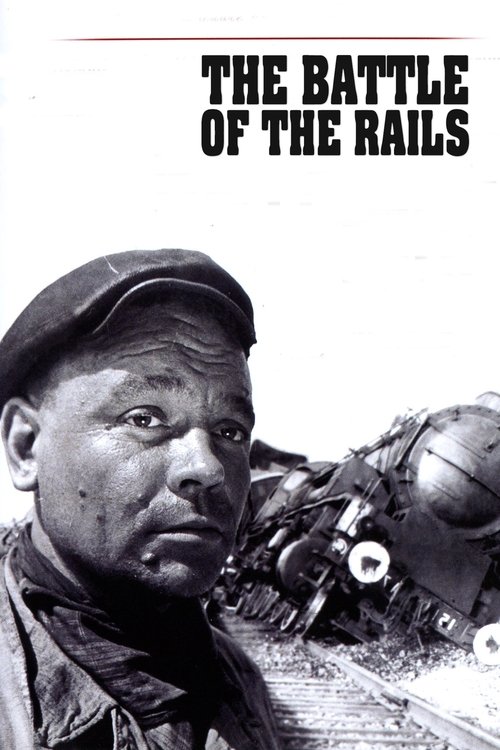
During the Second World War, many French railway workers participated in the resistance. Daily acts of sabotage, spectacular derailments: the railway network took many actions against Nazi occupation. Stationmanager Camargue and his deputy, Athos, risk their lives in managing the network in their sector.
1946

1945
1943

1966
1968
1964
1960
1965
No reviews yet. Be the first to share your thoughts on this movie!
Use the rating form above to leave a star rating and optional review.