
Little Alexander
1981
No user ratings available yet
Representation score: 2.2 out of 10

Representation Score
Fair
2011
Director
Achim von Borries
Runtime
94 minutes
Average Rating
No ratings yetNew Showbiz Analysis
4 Days in May is a historical drama that emphasizes period accuracy and survivalist themes over contemporary multi-layered frameworks. It shifts the focus from frontline combat to the domestic sphere of an isolated estate. The film successfully portrays a strong female lead who avoids submissive stereotypes. However, it lacks diverse representation in terms of LGBTQ+, racial, and disability issues. Ultimately, the film serves as a microcosm of shifting post-war power dynamics, focusing on individual psychological depth rather than broad social identity politics.
Category Breakdown
The film centers on survival during wartime, with no characters or narratives exploring LGBTQ+ themes.
The Baroness plays a crucial role in maintaining household stability and acts as the main architect of survival strategies.
The cast reflects the historical demographics of the Baltic region, with limited introduction of different nationalities through a Soviet patrol.
The narrative highlights the decline of traditional aristocratic hierarchies, using the children's orphan status to critique the failures of both state and family structures.
There are no prominent depictions of visible or invisible disabilities. Characters are defined by age and status rather than neurodivergence or physical impairments.
Present on Screen
Limited or Absent
Official Synopsis
Germany, Baltic Sea coast, May 1945, a few days before the end of World War II. A small Soviet patrol arrives at an isolated house where an elderly baroness gives shelter to a group of orphan girls and a boy who is determined to continue the fight.
1981

1977

1964
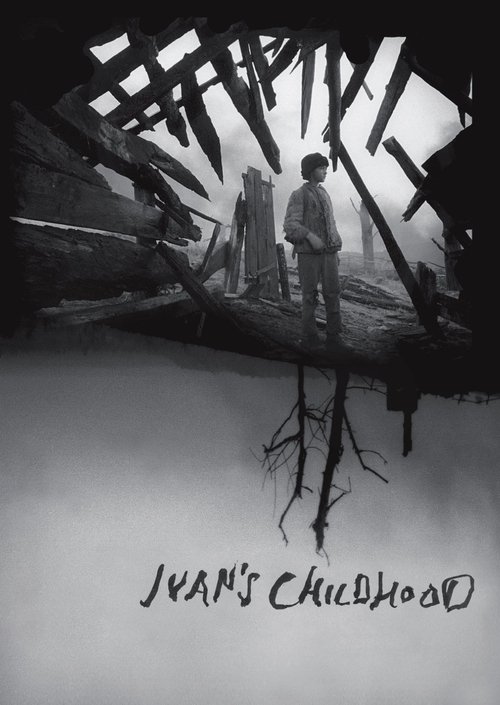
1962

2008

1962

1946

2012
No reviews yet. Be the first to share your thoughts on this movie!
Use the rating form above to leave a star rating and optional review.