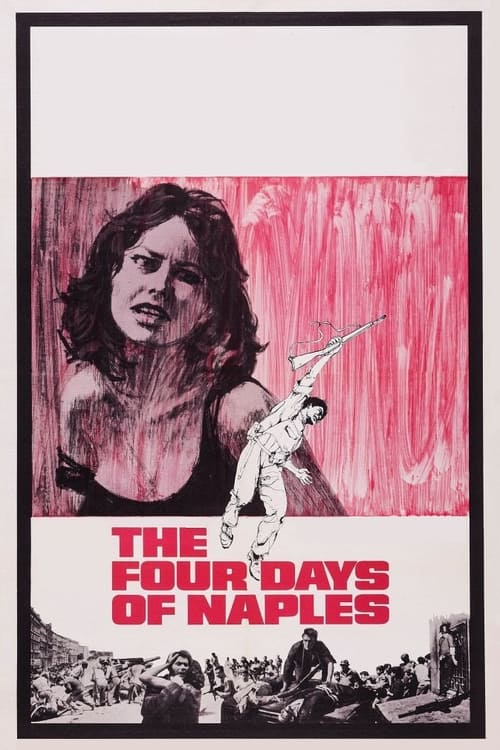
The Four Days of Naples
1962
No user ratings available yet
Representation score: 4.5 out of 10
Representation Score
Fair
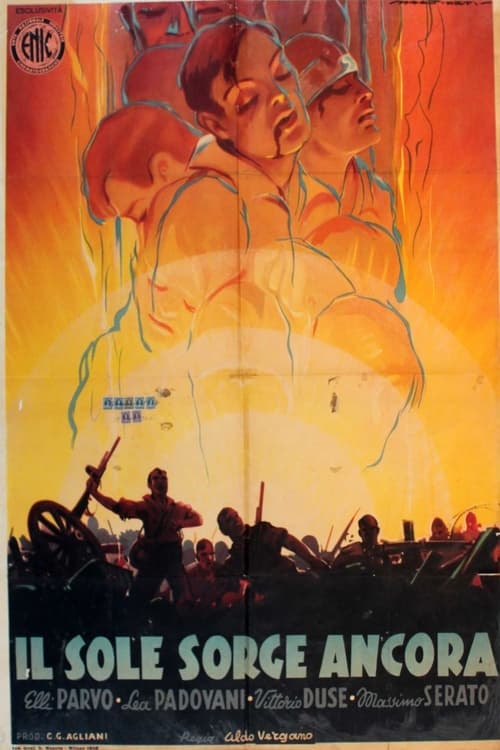
1946
Director
Aldo Vergano
Runtime
90 minutes
Average Rating
No ratings yetNew Showbiz Analysis
Outcry is a neorealist exploration of the Italian resistance, emphasizing the lived experiences of the working class over institutional stability. Its narrative structure focuses on the socio-political fractures of a post-war nation. The film's main strength lies in its cultural critique, challenging the authority of the state and traditional social orders. It provides a nuanced portrayal of social disillusionment and the complexities of rebuilding a society from wreckage. However, the work is limited by the historical context of 1946. It lacks multi-layered racial and LGBTQ+ representation, and the narrative ability to act remains heavily centered on male perspectives and straight-centered structures.
Category Breakdown
The film focuses on the collective trauma experienced by the Italian resistance and male combatants. There are no queer narratives or non-cisgender identities represented in the story.
Male protagonists have the majority of the narrative ability to act as they navigate post-war reintegration. Although traditional family structures are shown to be fractured, the film does not challenge gender hierarchies through female dominance.
The story reflects the homogeneous demographics of post-WWII Italy. It focuses on the socio-political struggles of the Italian population without addressing multi-layered racial diversity.
The film highlights the working class's struggle against a devastated socio-economic landscape, criticizing traditional Western institutions and the state's failure. It emphasizes the impact of these institutions on everyday life.
The film addresses mental health issues through its portrayal of psychological trauma. These struggles are presented as systemic consequences of war rather than mere plot devices.
Present on Screen
Limited or Absent
Official Synopsis
A neorealist tribute to the Italian resistance fighters of World War II.
1962
1946
1945
1944
1943
2004
1944
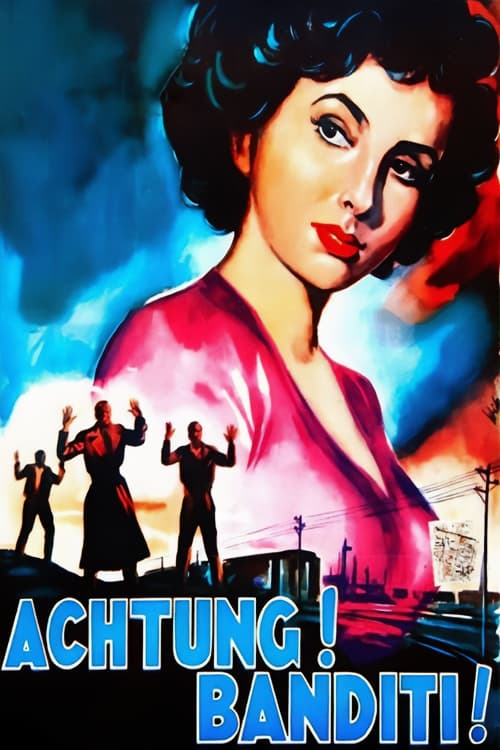
1951
No reviews yet. Be the first to share your thoughts on this movie!
Use the rating form above to leave a star rating and optional review.