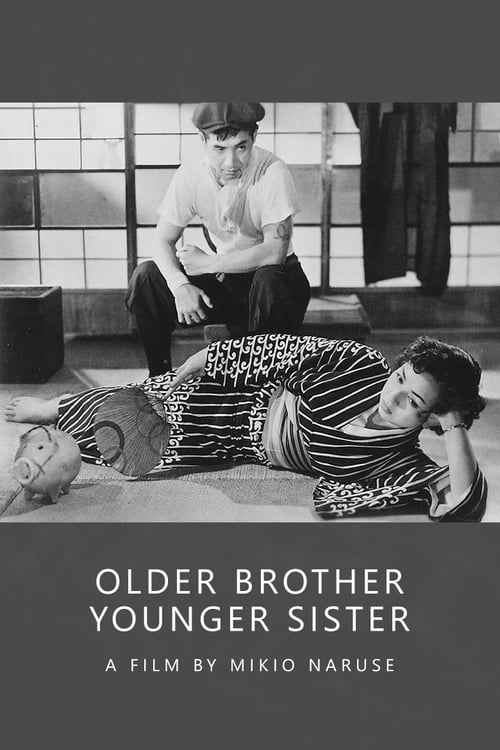
Brother and Sister
1953
No user ratings available yet
Representation score: 7.0 out of 10
Representation Score
Fair
1936
Director
Mikio Naruse
Runtime
69 minutes
Average Rating
No ratings yetNew Showbiz Analysis
Mikio Naruse’s work often centers on the domestic struggles of the underrepresented. This film uses the social stigma of illegitimacy to critique the oppressive nature of traditional family institutions and class structures. While the film lacks modern multi-layered markers like multi-ethnic casting or explicit LGBTQ+ representation, it remains progressive for its time. It deconstructs the 'ideal family' by focusing on those living outside social norms. The narrative functions as a period-specific critique of social stratification, prioritizing the lived experiences of characters facing systemic disapproval.
Category Breakdown
The film does not include any explicit LGBTQ+ characters or representations of non-straight relationships. The story focuses on the stigma of illegitimacy rather than queer identities.
Naruse typically explores women navigating restrictive social hierarchies. The story's focus on blighted lives highlights the exclusion of women by patriarchal expectations.
As a 1936 Japanese production, the film operates in a culturally homogeneous context. It uses class and lineage as proxies for identity within specific social constraints.
The film critiques traditionalist ideals by centering on a déclassé family. It challenges the rigidity of established social hierarchies and moralistic judgments of the era.
There is no evidence of characters with physical or neurodivergent disabilities within the narrative.
Present on Screen
Limited or Absent
Official Synopsis
Otherwise promising young man Asaji and his younger brother Yuji face blighted lives due of society's disapproval of their illegitmacy and déclassé family.
1953
1936
1933

1929
1959
1920
1937

1937
No reviews yet. Be the first to share your thoughts on this movie!
Use the rating form above to leave a star rating and optional review.