
Paid
1930
No user ratings available yet
Representation score: 1.8 out of 10
Representation Score
Minimal
1930
TV-PGDirector
Mervyn LeRoy
Runtime
65 minutes
Average Rating
No ratings yetNew Showbiz Analysis
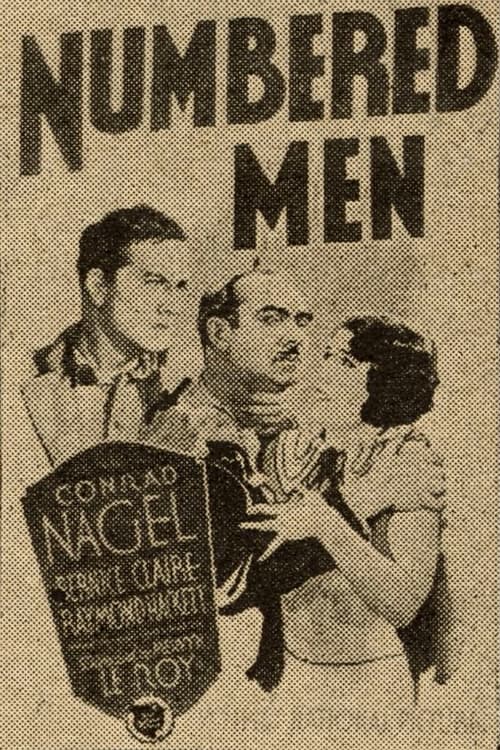
Numbered Men is a classic crime melodrama from the early sound era, reflecting the rigid social hierarchies of 1930. The plot centers on masculine conflicts involving wrongful imprisonment and personal vendettas, leaving little space for diverse perspectives. The film relies on traditional storylines, such as the 'wronged man' and the romantic female lead, to advance the narrative. This emphasis on individual morality and heterosexual romance results in a lack of layered character development or systemic critique. Overall, the film serves as a typical genre piece of its time, prioritizing a conventional moral arc over meaningful representation of underrepresented groups.
Category Breakdown
The film does not include any LGBTQ+ characters. The emotional core revolves around the heterosexual relationship between Mary Dane and Bud Leonard.
The story focuses on male-dominated environments like prisons and mining towns. Mary Dane, while emotionally significant, reacts mostly to conflicts driven by male characters.
The film has a homogeneous cast with no evidence of diverse casting. The setting and characters reflect a typical Anglo-centric social structure of the era.
The story follows a conventional moral framework that upholds traditional justice. It emphasizes restoring social order without challenging Western institutions or ideologies.
The film does not feature any characters with disabilities playing central roles in the plot. There are no characters with visible or invisible disabilities portrayed with significant influence.
Present on Screen
Limited or Absent
Official Synopsis
Civilian Mary Dane and falsely imprisoned Bud Leonard love each other. Lou Rinaldo, who framed Bud to get Mary, and escape-minded King Callahan want to keep him in stir, but convict Bertie and the others, even including the Warden, set events in motion to prove that love and justice will prevail. NB: Prisoner numbers given in lieu of character names in many cast lists for this film do not match the numbers shown on the characters' uniforms, when these can be seen at all, and are not used in dialogue at all.
1930

1952
1938
1929
1937
1930
1939
1937
No reviews yet. Be the first to share your thoughts on this movie!
Use the rating form above to leave a star rating and optional review.