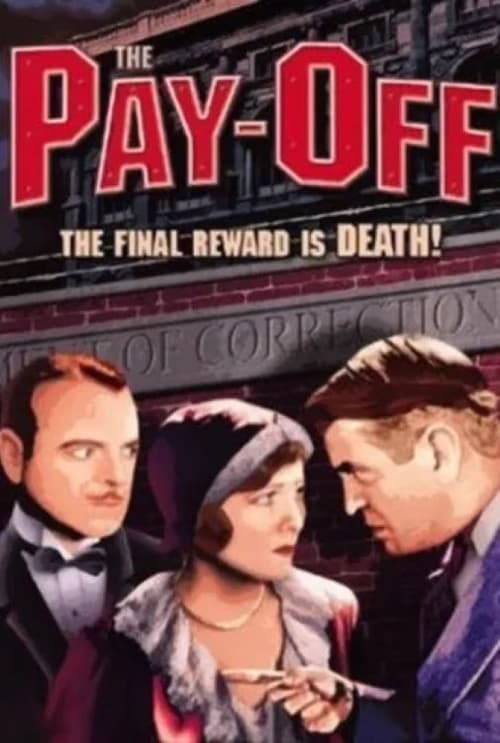
The Pay-Off
1930
No user ratings available yet
Representation score: 1.1 out of 10
Representation Score
Minimal
1939
ApprovedDirector
Lewis Seiler
Runtime
89 minutes
Average Rating
No ratings yetNew Showbiz Analysis
This 1939 crime drama follows the conventional storytelling structures and social hierarchies typical of the studio system era. The narrative is driven by male-centric conflicts and traditional moral hierarchies, offering limited space for diverse perspectives. The film functions as a standard genre exercise, focusing on crime, punishment, and the legal consequences of violence. It reinforces established institutional authority without critiquing the systemic structures it depicts. Ultimately, the work lacks intentional narrative subversion or multi-layered depth, reflecting the homogeneous casting and social norms of late 1930s cinema.
Category Breakdown
The film does not include any characters or situations that represent LGBTQ+ identities or non-straight relationships. The story revolves around traditional interpersonal conflicts involving a sister, a fiancé, and male criminals.
Male characters dominate the narrative, especially those involved in criminal activities. Madge's role is defined by her relationships to the men rather than by her own independent actions.
There is no indication of a racially diverse cast. The film likely reflects the homogeneous casting practices typical of 1939 urban crime dramas.
The plot emphasizes institutional authority through its depiction of Sing Sing prison and the death chamber. It serves as a cautionary tale about the consequences of criminal behavior.
The film does not depict any physical or neurodivergent disabilities.
Present on Screen
Limited or Absent
Official Synopsis
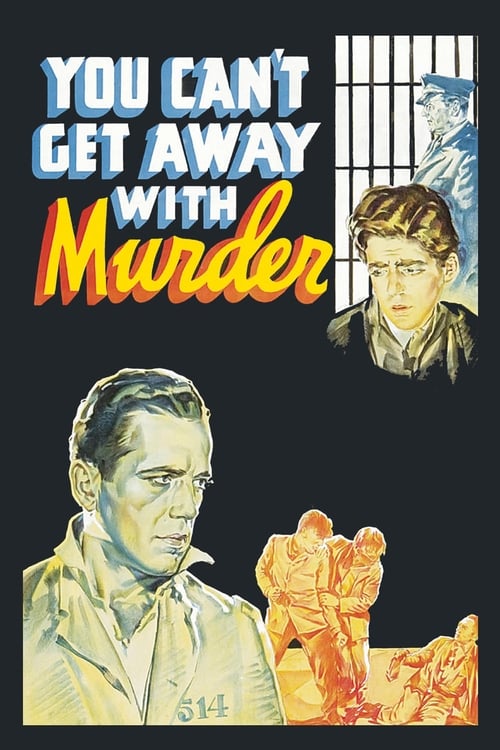
Johnnie learns crime from petty thug Frank Wilson. When Wilson kills a pawnbroker with a gun stolen from Johnnie's sister Madge's fiance Fred Burke, Fred goes to Sing Sing's death house. Wilson uses all the pressure can to keep Johnnie silent, even after he and Johnnie themselves wind up in the big house.
1930
1931
1939
1941
1939
1945

1934

1940
No reviews yet. Be the first to share your thoughts on this movie!
Use the rating form above to leave a star rating and optional review.