Angels Over Broadway
1940
No user ratings available yet
Representation score: 1.6 out of 10
Representation Score
Limited
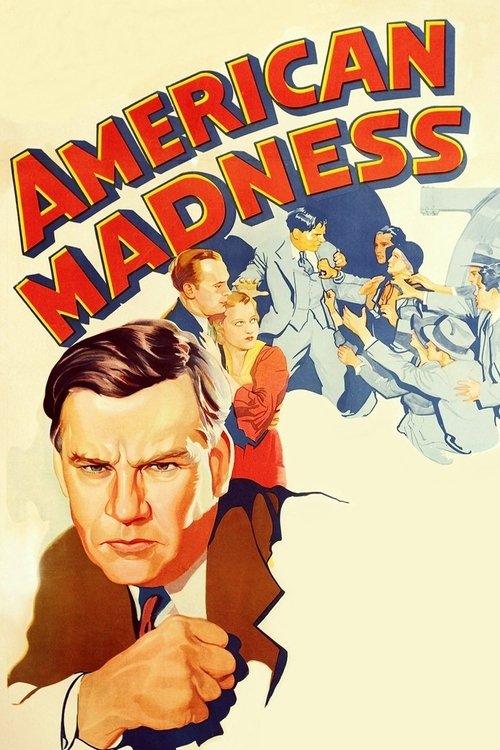
1932
PassedDirector
Frank Capra
Runtime
76 minutes
Average Rating
No ratings yetNew Showbiz Analysis
American Madness focuses on social psychology and economic instability during the Great Depression. However, it does so through a narrow demographic lens, lacking diverse representation. The film effectively highlights the volatility of capitalist frameworks but maintains a traditional, homogeneous social hierarchy. It lacks diverse character's ability to drive the story and representation of non-normative identities.
Category Breakdown
The film follows a strictly straight-centered structure typical of the early 1930s, with no representation of non-cisgender identities or same-sex relationships.
The male protagonist, Thomas Dickson, holds the majority of the ability to act, while women play secondary roles within domestic or social contexts.
The setting is predominantly Anglo-Saxon, with no significant engagement with racial or ethnic diversity or non-white characters.
The film critiques Western economic institutions and capitalist fragility, exploring how mass hysteria can destabilize the banking system.
There is no representation of physical, sensory, or neurodivergent disabilities. Character struggles are centered on socioeconomic and psychological issues.
Present on Screen
Limited or Absent
Official Synopsis
Socially-conscious banker Thomas Dickson faces a crisis when his protégé is wrongly accused of robbing the bank, gossip of the robbery starts a bank run, and evidence suggests Dickson's wife had an affair... all in the same day.
1940

1939
1929
1931
1929
1930
1938
1937
No reviews yet. Be the first to share your thoughts on this movie!
Use the rating form above to leave a star rating and optional review.