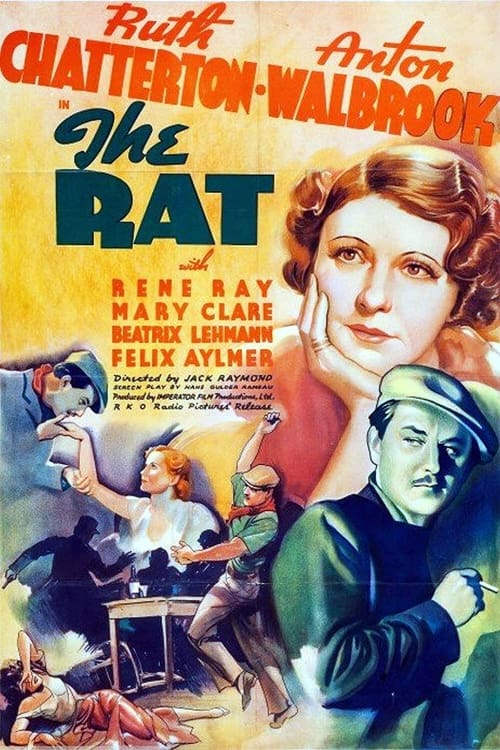
The Rat
1937
No user ratings available yet
Representation score: 0.6 out of 10
Representation Score
Minimal
1931
NRDirector
John S. Robertson
Runtime
74 minutes
Average Rating
No ratings yetNew Showbiz Analysis
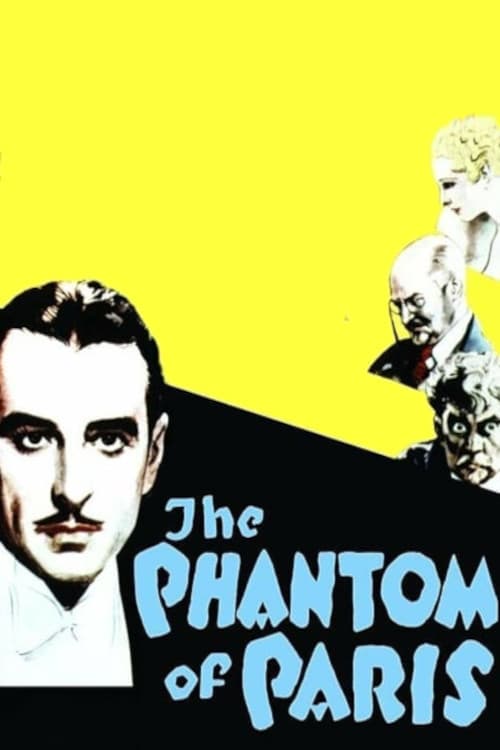
The Phantom of Paris is a conventional crime drama reflecting the limited social perspectives of early 1930s studio filmmaking. Its narrative structure is centered around traditional clichés, emphasizing masculine strength and standard Western crime narratives. Since the film lacks diverse storytelling or progressive themes, it fails to challenge the social hierarchies of its time. The creative approach aligns with the era’s standard dramatic conventions rather than intentional subversion. Ultimately, the film offers a homogeneous view of identity and social order without significant diversity in its characterization or cultural critique.
Category Breakdown
The film does not include any characters with non-binary gender identities. It follows the traditional dramatic clichés of the early 1930s.
The narrative likely adheres to the standard gender roles of the era. The escape artist character emphasizes masculine strength rather than challenging traditional gender norms.
The film operates within the homogeneous casting practices typical of early Hollywood. There is no indication of a diverse cast representing non-Anglo-Saxon cultures.
The story reinforces traditional views of legality and social order. It does not challenge any anti-Western or anti-capitalist sentiments.
There is no evidence of characters with disabilities. No such characters are given a significant role in the plot.
Present on Screen
Limited or Absent
Official Synopsis
Chéri-Bibi is a world class escape artist, but he cannot escape the false murder charge that is placed on him.
1937
1937
1930
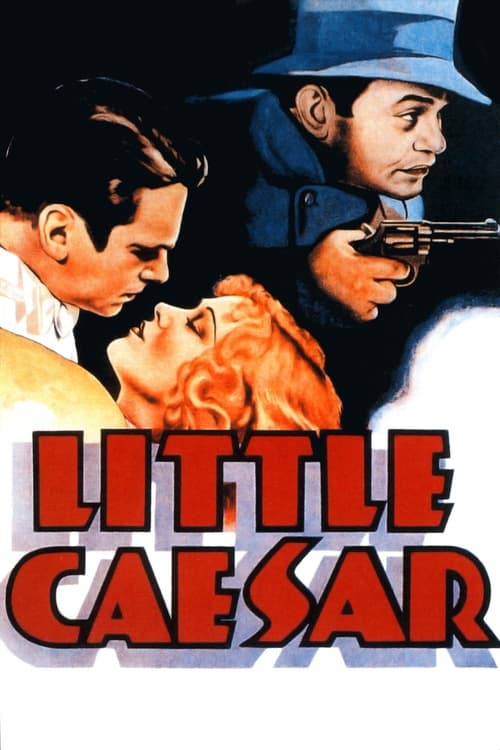
1931
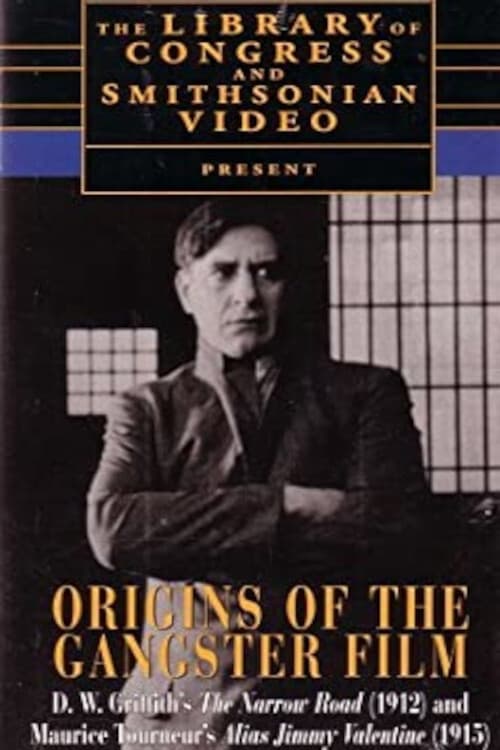
1915

1930
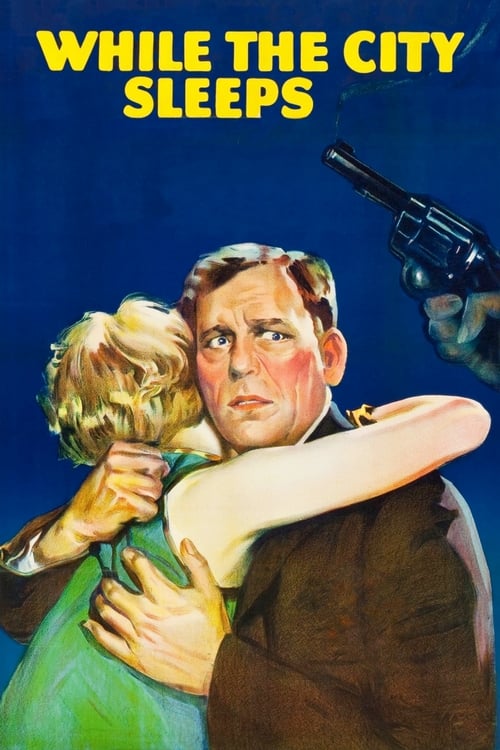
1928
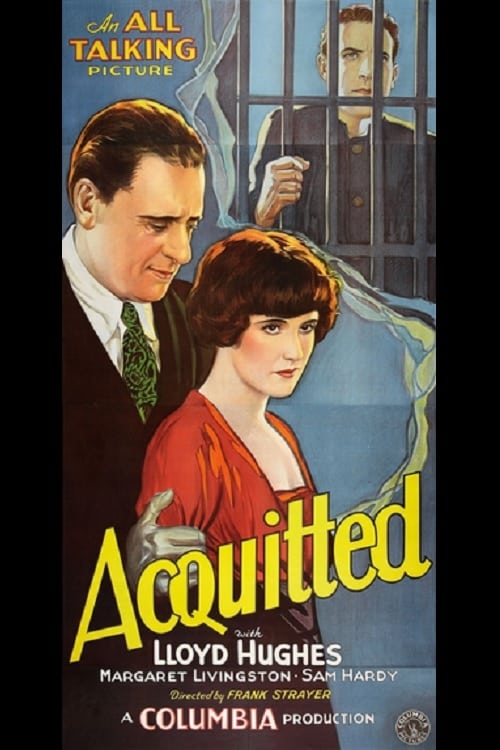
1929
No reviews yet. Be the first to share your thoughts on this movie!
Use the rating form above to leave a star rating and optional review.