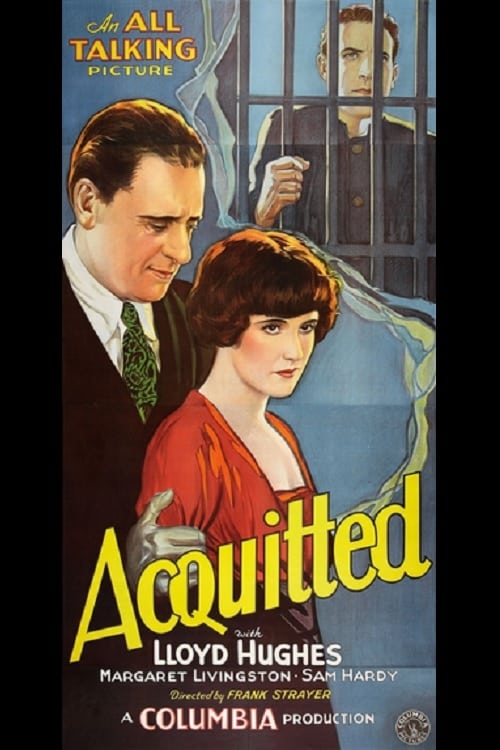
Acquitted
1929
No user ratings available yet
Representation score: 0.4 out of 10
Representation Score
Limited
1926
PassedDirector
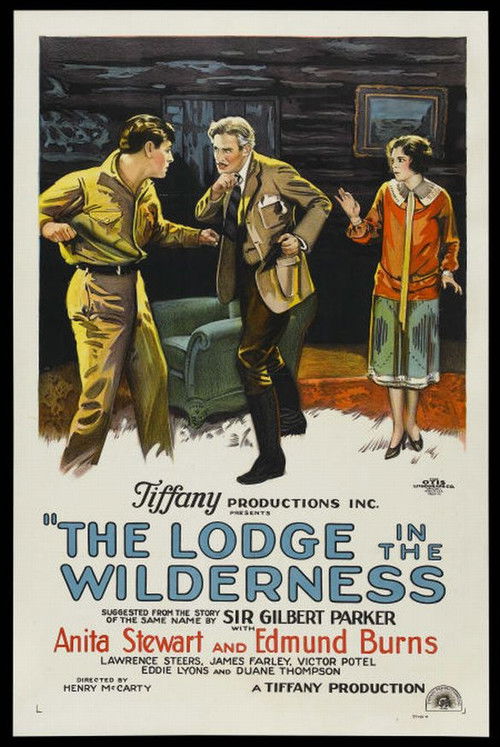
Henry McCarty
Runtime
60 minutes
Average Rating
No ratings yetNew Showbiz Analysis
The film adheres to the conventions of 1926 melodrama, emphasizing rigid social and moral binaries of the silent era. It lacks complexity in addressing multiple aspects of identity, favoring traditional hierarchies and archetypes. Gender roles are strictly defined, with men driving the action and women serving as romantic interests or figures in need of rescue. The narrative structure prioritizes a standard heroic arc over any subversion of systemic norms. Representation of disability is problematic, using outdated clichés to advance the plot. The lack of racial or LGBTQ+ diversity reflects the era's narrow storytelling focus.
Category Breakdown
The story follows a typical romantic storyline between Jim Wallace and Virginia Coulson. There are no characters with non-conforming gender identities or same-sex relationships.
Virginia Coulson holds economic power as an estate owner, yet her influence remains tied to romantic decisions. Male characters dominate the central conflicts through professional and physical competition.
The cast appears uniform, focusing on Anglo-Saxon characters within a Northwest setting. A maid named Dot is mentioned, but there is no indication of a diverse cast.
The plot follows a standard restorative justice model where heroism restores social order. It reinforces traditional Western values and the stability of social institutions.
The character Goofus is portrayed as a 'half-wit' and serves primarily as a plot device for murder and arson, rather than a nuanced character.
Present on Screen
Limited or Absent
Official Synopsis
Jim Wallace, a young engineer, is engaged by Hammond, manager of an estate in the Northwest, to build flumes for a logging camp, but Donovan, the superintendent, dislikes him and places numerous obstacles in his way. Virginia Coulson, owner of the estate, and her maid Dot arrive, and when Hammond proposes to Virginia, she refuses his declaration in favor of Jim. Later, when Donovan is found murdered, suspicion points to Jim, who is convicted and sentenced to life imprisonment. Hammond gets evidence on the murderer, Goofus, a half wit, and plans to use it to force Virginia to marry him; Goofus wounds Hammond and, seeing he has not killed him, starts a forest fire. Jim, who has escaped from prison with the aid of his friend, Buddy, rescues Virginia from the burning lodge; Goofus confesses to the murder, and Jim is freed.
1929
1936
1937
1930

1930
1937
1908
1936
No reviews yet. Be the first to share your thoughts on this movie!
Use the rating form above to leave a star rating and optional review.