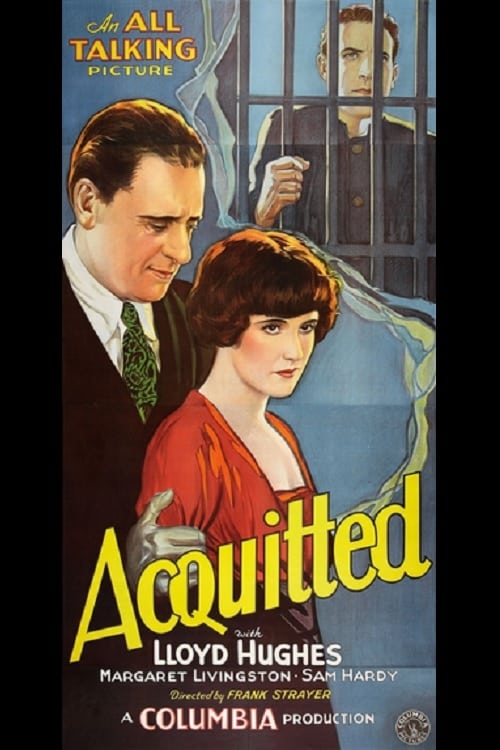
Acquitted
1929
No user ratings available yet
Representation score: 0.4 out of 10
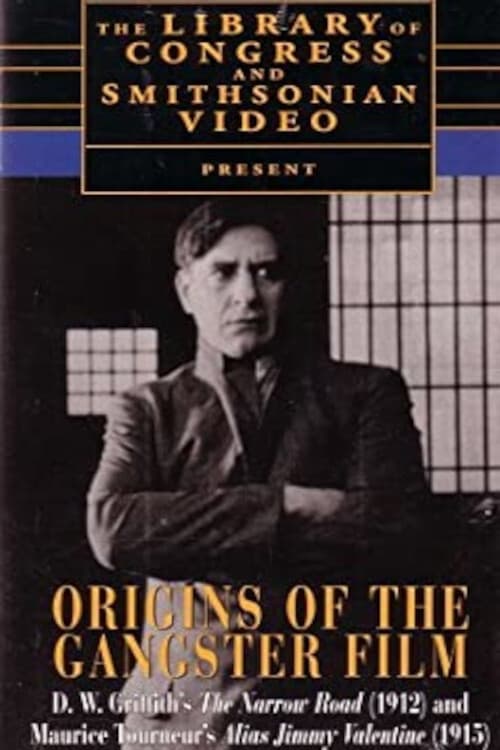
Representation Score
Minimal
1915
Director
Maurice Tourneur
Runtime
65 minutes
Average Rating
No ratings yetNew Showbiz Analysis
This 1915 crime drama follows typical melodramatic conventions focusing on individual moral reform. The narrative heavily relies on established clichés, such as the 'reformed criminal' and 'savior' archetypes. The film reinforces traditional social and gender hierarchies without challenging them. It prioritizes a conventional moral framework where the protagonist's redemption is tied to conforming to existing social norms. Ultimately, the work serves as a historical artifact of early cinema, lacking intentional characters who reflect more than one aspect of diversity or disruption of conventional social structures.
Category Breakdown
The film does not feature any LGBTQ+ characters. The story focuses on a heterosexual relationship between the main character and the female lead.
Gender roles in the film follow traditional early 20th-century stereotypes. Jimmy Valentine is the driving force, while the female character remains passive.
The cast is homogeneous, reflecting the standard practices of the silent era. There is no indication of a diverse cast or engagement with racial and ethnic diversity.
The story emphasizes personal redemption and societal acceptance. It upholds Western moral storytelling and social conformity without questioning broader systems.
There are no characters with visible or invisible disabilities. The film does not include any neurodivergent representation.
Present on Screen
Limited or Absent
Official Synopsis
After robbing a bank, a criminal is wrongfully pardoned from prison.
1929

1941

1931

1930
1925
1930
1916
1939
No reviews yet. Be the first to share your thoughts on this movie!
Use the rating form above to leave a star rating and optional review.