You Can't Get Away with Murder
1939
No user ratings available yet
Representation score: 1.4 out of 10
Representation Score
Minimal
1930
PassedDirector
Lowell Sherman
Runtime
70 minutes
Average Rating
No ratings yetNew Showbiz Analysis
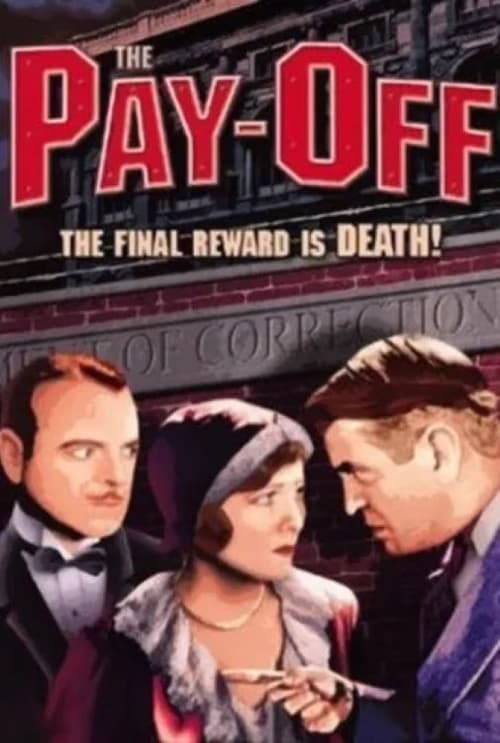
The Pay-Off is a classic pre-Code crime drama that emphasizes the mechanics of criminal hierarchy over social diversity. While the film benefits from the era's inherent moral ambiguity, it does not challenge traditional social structures. The narrative centers on the tension between individual impulse and organized crime. This focus on genre clichés keeps the story within the conventional boundaries of its time. Ultimately, the film lacks depth in reflecting multiple aspects of identity, functioning as a standard character study of the criminal underworld rather than a vehicle for diverse representation.
Category Breakdown
The film does not include any LGBTQ+ characters or non-cisgender identities. It follows the typical romantic structures common in early 1930s crime dramas.
Men, particularly the thug and the gang boss, play the primary roles in driving the plot. Women are involved in the central romantic storyline but do not significantly influence the plot.
The film adheres to the homogeneous casting standards of the era's crime genre. There are no indications of a non-white or non-Anglo-Saxon majority cast.
The story explores moral relativism by presenting a criminal underworld with situational ethics. However, it does not critique systemic issues or prioritize secularism.
The film does not include any characters with visible or invisible disabilities. There is also no representation of neurodivergent individuals.
Present on Screen
Limited or Absent
Official Synopsis
A thug robs a young engaged couple of their last few dollars. When the thug's gang boss hears of the robbery, he gives them back their money and takes them under his wing. The thug, resentful of the couple, plans to organize a mutiny against the gang's boss, but when he is killed in a botched robbery, the police focus their attention on the young couple.
1939
1931

1930
1937
1930

1933
1931
1932
No reviews yet. Be the first to share your thoughts on this movie!
Use the rating form above to leave a star rating and optional review.