I Was a Convict
1939
No user ratings available yet
Representation score: 1.5 out of 10
Representation Score
Limited
1936
PassedDirector
Lew Landers
Runtime
67 minutes
Average Rating
No ratings yetNew Showbiz Analysis
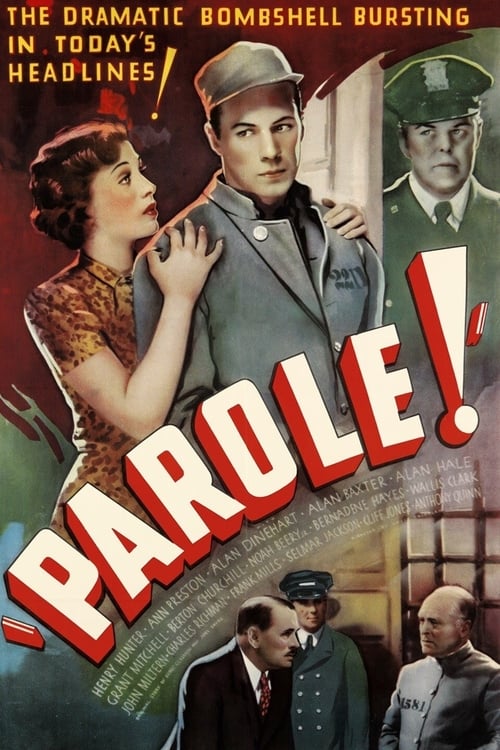
Parole! is a standard 1930s crime drama that prioritizes a traditional moral arc over social complexity. The plot centers on a male lawyer's struggle to reform and reintegrate into society while resisting the pull of criminal recidivism. The film adheres to the era's conventional storytelling, focusing on male-driven conflict and professional struggle. It lacks the intentionality required to disrupt social hierarchies or present diverse perspectives. Ultimately, the work functions as a genre piece that reinforces existing social structures rather than challenging them.
Category Breakdown
The film does not include any LGBTQ+ characters or non-straight identities. It follows a traditional storyline typical of 1930s crime dramas.
The story focuses solely on the male protagonist, Henry Hunter. There is no indication of female involvement or subversion of traditional gender roles.
The narrative does not suggest a diverse cast or characters of color with significant roles. It likely reflects the homogeneous casting practices of 1936 Hollywood.
The film explores the tension between lawful citizenship and criminal lifestyles. It frames the struggle as a pursuit of traditional social stability and legal adherence.
There is no documented evidence regarding the portrayal of physical or neurodivergent disabilities in this work.
Present on Screen
Limited or Absent
Official Synopsis
Soon after the prison release of a lawyer (Henry Hunter), his dedication to improving his life puts him at odds with other parolees who have returned to a criminal lifestyle.
1939

1952
1932
1941
1959

2014
1943
1957
No reviews yet. Be the first to share your thoughts on this movie!
Use the rating form above to leave a star rating and optional review.