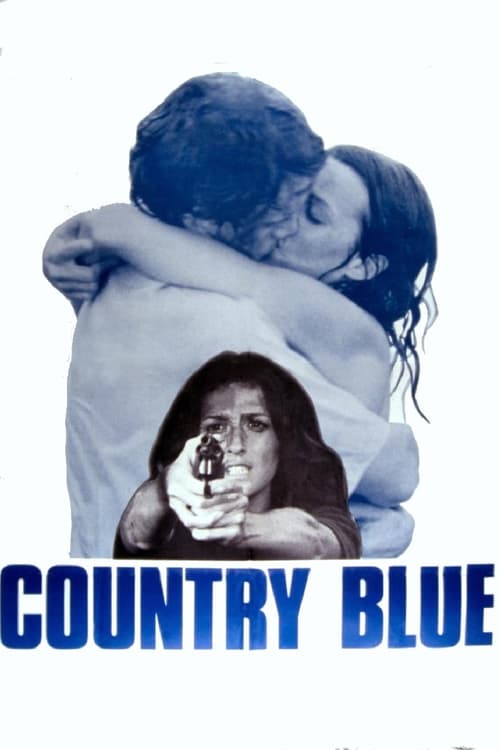
Country Blue
1973
No user ratings available yet
Diversity score: 2.7 out of 10

1935
PassedDirector
Raymond K. Johnson
Runtime
60 minutes
Average Rating
No ratings yetSynopsis
A nosy reporter (Nugent) befriends the dumb Coughlin and pushes the Governor to commute his sentence. Now, Coughlin can ride his family's pride and joy in the Kentucky Derby. BUT, the mean old Warden cancels all paroles--and the idiot decides to escape (even though he's only got 10 more months to serve). So, the reporter has a hunch and goes to see if he can find Coughlin--and the Warden deputizes him!! At this point you might wonder if the boy will make good and win the big race
Overall Score
Minimal
Category Breakdown
LGBTQ+ Representation
The film lacks any evidence of non-heteronormative identities or same-sex intimacy. The character dynamics focus on a traditional male-driven plot.
Gender Representation
The narrative centers exclusively on male archetypes like the reporter and the Warden. There is a notable absence of female agency or presence.
Racial & Ethnic Diversity
The story lacks any indication of a diverse cast or non-Anglo-Saxon characters. It appears to focus on a homogeneous demographic typical of 1935.
Religious & Cultural Diversity
The film follows conventional mid-century morality and law-and-order themes. It reinforces social reintegration rather than exploring anti-establishment or secularist perspectives.
Disability Representation
The protagonist is described as 'dumb,' which may imply low intelligence. However, there is no evidence of nuanced neurodivergent representation or agency.
Strengths
Areas for Improvement
AI Analysis
Kentucky Blue Streak is a product of its era, functioning as a standard mid-1930s crime drama. The plot relies heavily on traditional masculine tropes, focusing on incarceration, crime, and competitive racing. Because the narrative is driven by male archetypes, it lacks demographic breadth and fails to provide meaningful representation for women or diverse racial groups. The story reinforces institutional authority rather than challenging social hierarchies. Ultimately, the film serves as a snapshot of conventional cinematic structures, prioritizing a linear moral framework over intersectional complexity or progressive character development.
1973
1930
1947
1943
1938
1929
1930
1939
1915
1959
1939
1948
No reviews yet. Be the first to share your thoughts on this movie!
Use the rating form above to leave a star rating and optional review.