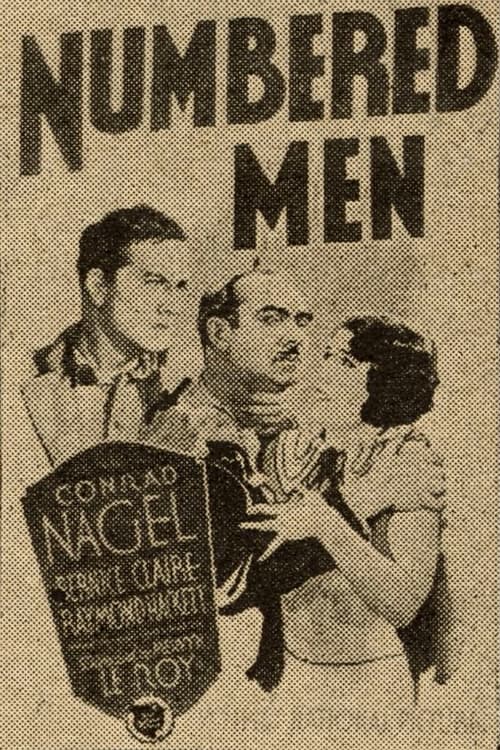
Numbered Men
1930
No user ratings available yet
Representation score: 0.9 out of 10
Representation Score
Limited
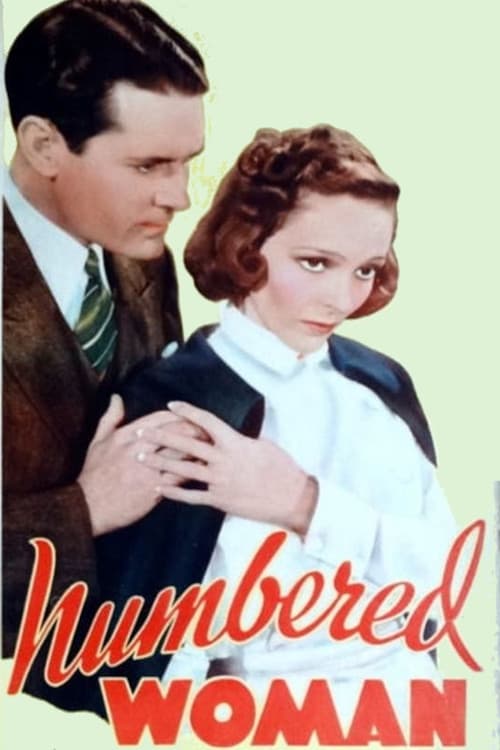
1938
ApprovedDirector
Karl Brown
Runtime
63 minutes
Average Rating
No ratings yetNew Showbiz Analysis
Numbered Woman stands out for its focus on women's ability to drive the story in a male-dominated criminal landscape. The protagonist's professional identity as a nurse enables her to navigate social hierarchies with a level of independence that disrupts typical 1930s clichés of submissive femininity. However, the film is constrained by the cinematic conventions of 1938. The lack of racial diversity and the absence of LGBTQ+ representation reflect the era's narrow social lens, limiting a more inclusive narrative. Ultimately, the film serves as a study of social exclusion. While it successfully centers a woman's struggle for justice, it remains confined by the homogeneity of its time.
Category Breakdown
The film does not depict any LGBTQ+ identities or queer subtext. Romantic elements are confined to traditional heterosexual relationships.
A female protagonist drives the narrative, stepping outside traditional domestic roles. Her professional role as a nurse offers a level of independence rarely seen in 1930s crime dramas.
The cast appears predominantly homogeneous, reflecting the era's tendency to view the American West through an Anglo-Saxon lens. There is no indication of significant racial blending.
The story examines moral relativism in a lawless frontier setting. It portrays social structures as corrupt, pushing the protagonist to prioritize survival and personal freedom.
There are no prominent depictions of physical or neurodivergent disabilities that drive the plot or provide character's ability to drive the story.
Present on Screen
Limited or Absent
Official Synopsis
After her brother is wrongfully arrested for the theft of some bonds, a nurse sets out to clear his name by becoming the home-care nurse for the ailing leader of the gang which actually stole the bonds.
1930

1936
1937

1930

1937

1935

1939

1952
No reviews yet. Be the first to share your thoughts on this movie!
Use the rating form above to leave a star rating and optional review.