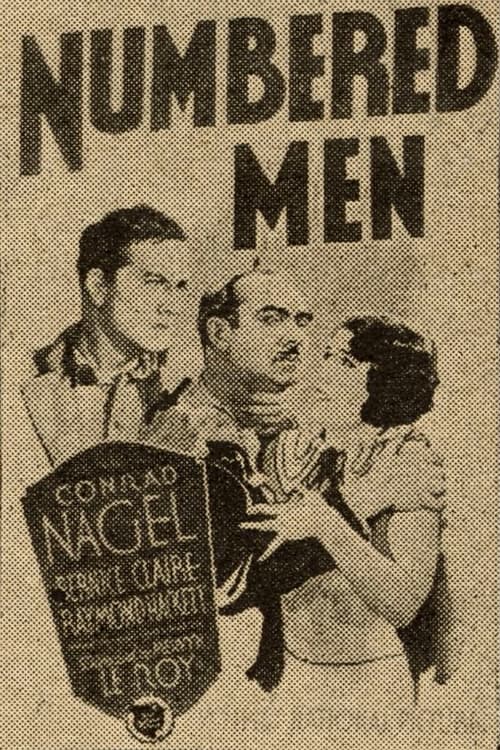
Numbered Men
1930
No user ratings available yet
Representation score: 0.9 out of 10

Representation Score
Minimal
1930
NRDirector
Sam Wood
Runtime
86 minutes
Average Rating
No ratings yetNew Showbiz Analysis
Paid operates within the conventional social and cultural frameworks of early 20th-century Hollywood. It lacks the complexity needed to challenge established norms. The film's strength lies in its female-driven narrative, where Mary Turner's journey provides a focal point for the story. However, the film falls short in terms of racial and LGBTQ+ diversity. Ultimately, Paid functions as a traditional crime drama, focusing on individual justice and personal vengeance rather than a broader critique of societal structures.
Category Breakdown
The film follows the traditional heterosexual and cisgender norms typical of 1930s studio cinema. There are no representations of same-sex relationships or non-binary gender identities.
Mary Turner is a key character who drives the plot through her pursuit of justice. Her journey is framed within traditional melodramatic clichés, highlighting her role in the story.
The production reflects the homogeneous casting practices of early Hollywood. The narrative seems to adhere to the Anglo-centric norms prevalent during that time.
The story delves into themes of justice and wrongful imprisonment. However, it emphasizes personal retribution rather than critiquing broader societal or economic systems.
There are no characters with visible or invisible disabilities featured in the narrative.
Present on Screen
Limited or Absent
Official Synopsis
Mary Turner gets a three year prison sentence for a crime she didn't commit. Once released, she plots to get back at the man responsible for her conviction.
1930
1958
1929
1937
1930
1938
1939
1932
No reviews yet. Be the first to share your thoughts on this movie!
Use the rating form above to leave a star rating and optional review.