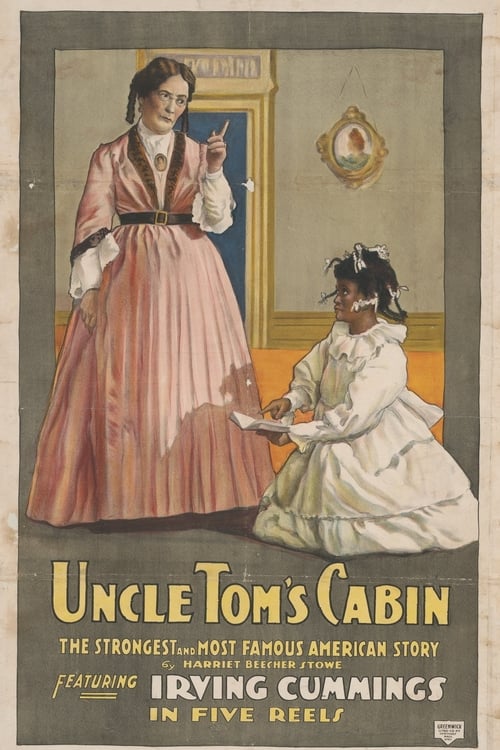
Uncle Tom's Cabin
1914
No user ratings available yet
Diversity score: 5.7 out of 10
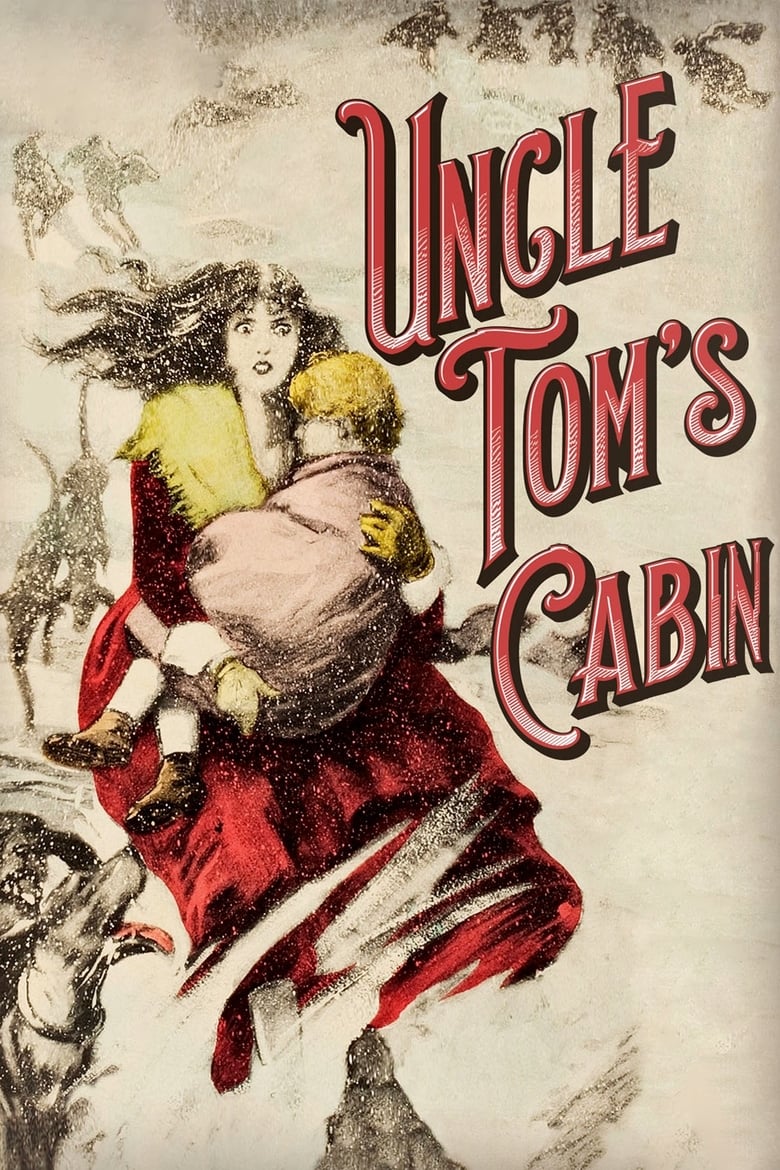
1927
PassedDirector
Harry A. Pollard
Runtime
144 minutes
Average Rating
No ratings yetSynopsis
In 1856, slave Eliza plans to marry George with the consent of the Shelbys, her masters, but George's owner prevents the wedding. A few years later, Eliza flees with her son, Harry, after learning the Shelbys plan to hand them over to a crooked creditor to prevent foreclosure. George also escapes and goes on the run while Eliza and Harry are captured and brought back home. Mother and son are separated as George tries to find them both.
Overall Score
Fair
Category Breakdown
LGBTQ+ Representation
The film focuses on heteronormative family structures and traditional romantic pairings. No queer subtext or non-cisnormative identities are present in the plot.
Gender Representation
Eliza is depicted through traditional maternal roles, yet she gains significant agency. Her decision to flee and protect her child drives the film's central tension.
Racial & Ethnic Diversity
The narrative centers on the lived experiences and moral fortitude of Black protagonists. This approach disrupts white-centric storytelling by making systemic oppression the central engine of the drama.
Religious & Cultural Diversity
The film critiques the corrupt legal and economic frameworks of the antebellum South. It uses Christian piety to expose the hypocrisy of the ruling class's morality.
Disability Representation
There are no prominent depictions of physical or neurodivergent disabilities that serve as central narrative elements.
Strengths
Areas for Improvement
AI Analysis
This production stands out for its decision to center Black agency within a period drama. By positioning characters like Uncle Tom and Eliza as the moral compass of the story, the film effectively challenges the legitimacy of the dominant power structures of the era. While the film adheres to 19th-century gender archetypes, it provides a necessary critique of the systemic oppression inherent in the antebellum South. The narrative uses the breakdown of the family unit to highlight the corruption of the legal and economic systems of the time. However, the film remains limited by the social constraints of the 1920s. It lacks any representation of LGBTQ+ identities and follows traditional gender roles, even as it grants female characters more agency than typical of the period.
1914
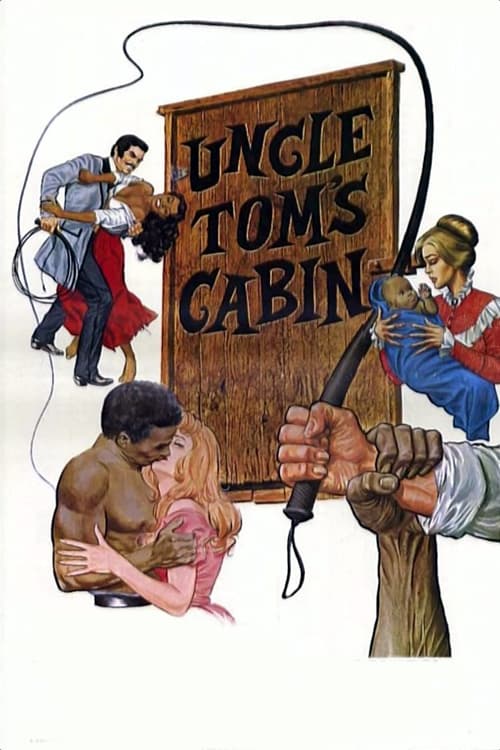
1976
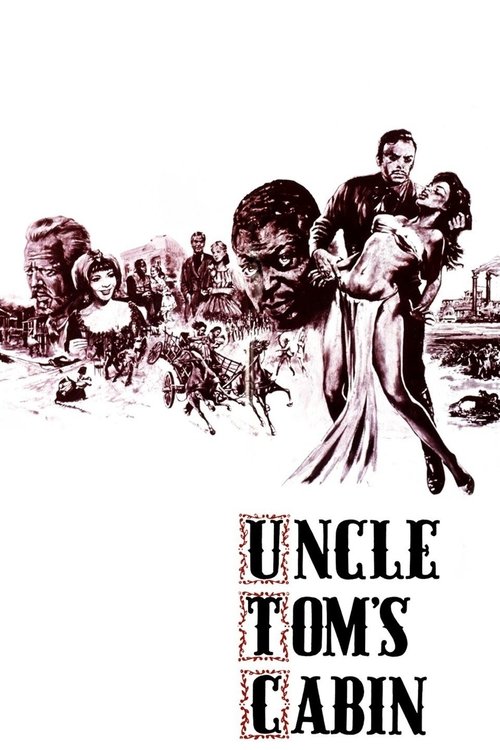
1965
1995
1951
1939
1929
1949
1932
1928

1963
1920
No reviews yet. Be the first to share your thoughts on this movie!
Use the rating form above to leave a star rating and optional review.